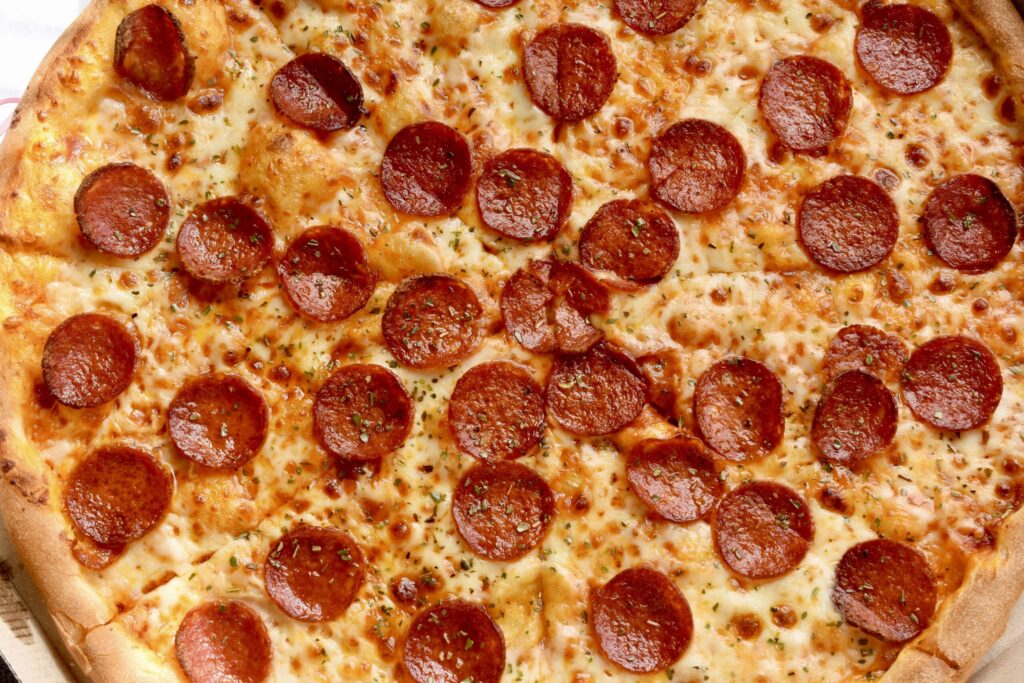

Pica shqiptare nuk është një pjatë e vetme, është një industri. Shqiptaro-Amerikan Familjet drejtojnë një pjesë të jashtëzakonshme të picerive në Bronx, Westchester, Yonkers dhe New Jersey-n verior, së bashku me operacione të mëdha picerie në Detroit, Boston dhe qytete të tjera. Skena e picave shqiptaro-amerikane është një nga historitë më të suksesshme të biznesit të emigrantëve në historinë moderne të ushqimit amerikan, e ndërtuar në heshtje gjatë 50 viteve të fundit, familje pas familjeje, fetë pas fete. Ky udhëzues mbulon se si emigrantët shqiptarë arritën të dominojnë kaq shumë biznesin e picave në metropolin e New York-ut, çfarë e bën picën në stilin shqiptar të veçantë (ose jo), piceritë më të famshme shqiptaro-amerikane dhe si është përhapur tradita në të gjithë SHBA-në.
Fakte të Shpejta: Pica Shqiptaro-Amerikane
- Number of Albanian-owned pizzerias in the New York metro area: No official count exists. The New York Times reported in April 2001 on a growing number of Albanian-American owners of Italian restaurants and pizza parlors in the city and its suburbs
- Përqendrimi kryesor rajonal: Bronx, Yonkers, Qarku Westchester, New Jersey verior, Brooklyn, Staten Island
- Qendra të tjera kryesore: Metroja e Detroitit, Bostoni, Worcesteri, periferitë e Çikagos
- Stili: Kryesisht në stilin italo-amerikan, brumë i hollë, feta të palosshme, me firma familjare shqiptare në raportet e brumit, salcës ose djathit.
- Historia: Filloi me familje arbëreshe italo-shqiptare dhe emigrantë shqiptarë që e mësuan zanatin nga pizzaiolo italo-amerikanë, pastaj blenë piceri familjare ndërsa italianët u zhvendosën në periferi dhe e lanë biznesin.
Historia e Origjinës
Tradita e picave shqiptare në Amerikë ka disa rrënjë:
1. Lidhja Arbëreshe
Italo-Shqiptarët (Arbëreshë), pasardhës të shqiptarëve që ikën në Italinë jugore pas vdekjes së Skënderbeut në vitin 1468 (më shumë rreth Skënderbeut), had been part of southern Italian immigration to America for generations.
2. The 1960s to 1980s Albanian Wave
Ndërsa shqiptarët filluan të emigronin në SHBA në numër më të madh, nga Shqipëria, Kosova, Maqedonia e Veriut dhe Mali i Zi, ata shpesh gjenin punën e tyre të parë në piceri italo-amerikane dhe restorante italiane. Pronarët, shpesh emigrantë italianë të moshuar, fëmijët e të cilëve po shkonin në kolegj në vend që të punonin në biznesin familjar, punësonin gjithnjë e më shumë punëtorë shqiptarë si ndihmës në kuzhinë.
3. The Buyout Era (1980s to 2000s)
Në vitet 1980 dhe 1990, brezi i dytë i pizzaiolo-ve italo-amerikanë po dilte në pension ose po largohej nga zonat urbane. Shumë prej tyre ua shitën bizneset e tyre punonjësve të tyre besnikë shqiptarë. Doli në pah një model: një familje italiane ia shet dyqanin e petëve në Bronx, të cilin e kanë drejtuar për 40 vjet, djalit shqiptar që ka bërë pite atje për 15 vjet. Familja shqiptare e mban emrin italian (sepse baza e klientëve e njeh), recetat (sepse funksionojnë) dhe ndërton në heshtje një perandori të vogël.
4. Efekti Zinxhir
Once a few Albanian families owned successful pizzerias, they brought relatives over, helped them buy their own pizzerias, and developed extended family business networks. By April 2001 the trend was visible enough for The New York Times to report on the growing number of Albanian-American owners of Italian restaurants and pizza parlors in the city and its suburbs, many still operating under Italian names.
Piceri të famshme shqiptaro-amerikane
Pa përmendur dyqane specifike (skena është plot me biznese familjare që preferojnë profile të ulëta), skena e picave shqiptaro-amerikane përfshin:
- Shumë nga restorantet klasike të Bronx-it "të vjetër" me prerje në feta
- Piceri të shumta në Qarkun Westchester
- Zinxhirët e picave në Yonkers dhe Bronx
- Piceri në stilin italo-amerikan në të gjithë New Jersey-n verior
- Operacione të mëdha në metronë e Detroitit
- Piceri në Worcester dhe Boston
Nëse jetoni në zonën metropolitane të Nju Jorkut, pothuajse me siguri keni ngrënë pica të prodhuara në Shqipëri pa e ditur.
A ekziston një stil dallues i “picës shqiptare”?
Kryesisht jo, pica shqiptaro-amerikane është kryesisht në stilin italo-amerikan: feta të holla që palosen, salcë klasike domatesh, mocarela, pepperoni ose salçiçe sipas dëshirës. Familjet shqiptare trashëguan recetat italiane dhe i ruajtën kryesisht ato. Megjithatë, disa prekje shqiptare shfaqen:
- Kore pak më të holla dhe më krokante në disa dyqane
- Aplikim më i bollshëm i djathit në të tjerat
- Variacionet e salcave i ndikuar nga preferencat shqiptare, ndonjëherë pak më i ëmbël, ndonjëherë më barishtor
- Byrek shtëpie Përveç menusë së picave, disa piceri shqiptaro-amerikane shesin edhe byrek tradicional shqiptar.
- Biseda shqipe në kuzhinën e pasme krahas frazave italiane që pizzaiolo-t më të vjetër i mësuan familjes
Pica Shqiptare kundrejt Picave Italiane kundrejt Picave në Stilin e Nju Jorkut
- Pica italiane (napolitane): Brumë i hollë, mocarela e freskët, domate, borzilok. Piqet në furrë me dru në temperaturë shumë të lartë.
- Pica në stilin e Nju Jorkut: Fetë e hollë e palosshme, mocarela e tharë, salcë domatesh e ëmbël. E gatuar në furrë me gaz ose qymyr.
- Pica shqiptaro-amerikane: Në thelb në stilin e Nju Jorkut me variacione rajonale. Teknikë italo-amerikane, shpesh familjare shqiptare.
- Pica në stilin e Detroitit: Një traditë krejtësisht e ndryshme (drejtkëndëshe, brumë i trashë, skaje krokante). Edhe piceritë shqiptaro-amerikane në Detroit e bëjnë këtë stil.
Rëndësia Kulturore
Historia e picave shqiptaro-amerikane ka rëndësi për disa arsye:
- Është një nga historitë më të suksesshme të sipërmarrjes së emigrantëve të ekonomisë moderne amerikane, megjithatë pothuajse tërësisht të padukshme në mediat kryesore amerikane të ushqimit.
- Ai mishëron etikën e punës së palodhur të shqiptaro-amerikanëve., familje që punojnë 16 orë në ditë, punësojnë të afërm, dërgojnë fëmijë në kolegj me para të prera.
- Ruan kulturën e ushqimit italo-amerikan në lagjet ku emigrantët italianë janë zhvendosur kryesisht në periferi.
- Tregon përshtatjen ekonomike të diasporës, Shqiptarët që mbërrijnë në një vend të ri, mësojnë një zanat dhe më pas bëhen ruajtës të atij zanati.
Action Bronson dhe Kultura e Pizzave në Shqipëri
Aksion Bronson, the half-Albanian Queens-born rapper and food media star, has featured Albanian food in the Bronx, including burek on Lydig Avenue, in his Vice show F*ck, That’s Delicious. That coverage is some of the highest-profile mainstream attention Albanian-American food has received.
What Reporters Have Documented: A Timeline
Most of what is said about Albanians and pizza is passed along by word of mouth. A smaller body of journalism puts names, dates and places on the story. The table lists the pieces we found, what each one reported and when. Where a business is named, we repeat only what the outlet published.
| Data | Outlet | What it reported |
|---|---|---|
| April 3, 2001 | The New York Times | Under the headline “The Albanian Connection; As Italians Move Up, a New Group Does the Pizza and Pasta,” the paper reported a growing number of Albanian-Americans becoming owners of Italian-American restaurants and pizza parlors in New York City and the surrounding area. The article opens at a Famous Famiglia pizzeria at Broadway and 50th Street in Manhattan. |
| May 5, 2008 | Philadelphia Magazine | A trends piece titled “The Albanians Are Coming!” listed Italian restaurants in and around Philadelphia opened by Albanians and mentioned “innumerable pizza parlors” without counting them. |
| February 24, 2010 | Bronx Times | A profile of Paul Kolaj, co-founder, president and CEO of Famous Famiglia. It reported that his family fled Kosovo in 1969, that he came to the United States from Italy in 1970 and lived in the Castle Hill Houses in the Bronx, and that he and his siblings founded the company in 1986 in a 300-square-foot storefront at West 96th Street and Amsterdam Avenue. |
| December 15, 2011 | The Bronx Ink (Columbia Journalism School) | A feature on “Little Albania” described Lydig Avenue as a mix of Albanian pizzerias and bakeries, kosher Russian butchers and small European markets. It profiled George Dedvukaj, who immigrated in 1970 after 18 months in Italy, worked in Italian-owned pizzerias in the Bronx for 26 years, and has run Giovanni’s on Arthur Avenue with his family since 1996 after buying it from its Italian owners. |
| February 2023 | D Magazine (Dallas) | Dining critic Brian Reinhart reported that Albanian families are a major force in Dallas-area pizza. He interviewed Tony Hajro, who moved to Rome in 1974, worked in pizza restaurants there and in New Jersey, and opened his first pizza place in Lewisville, Texas, in 1984. |
Read together, these pieces agree on the outline: people arrived with little, worked for years in Italian-owned kitchens, and bought the business when the owners moved on. They span more than two decades and three regions, which suggests the pattern is not limited to the Bronx.
Why Italy Comes Up in Almost Every Story
Italy is the thread that ties these accounts together. Encyclopaedia Britannica notes that Italy lies only about 50 miles (80 km) across the Adriatic from Albania. For people leaving Yugoslavia and, later, Albania, it was the nearest door to the West.
The Bronx Ink reported in 2011 that the first wave of ethnic Albanian immigrants reached the Bronx in the late 1960s and early 1970s, settling around Pelham Parkway, Morris Park and Arthur Avenue as Italian families left for the suburbs. Ismer Mjeku, publisher of the Albanian Yellow Pages, told the outlet that most early Albanian immigrants had to seek temporary asylum in Italy before they could reach the United States. Two of the men in the table above followed that route: Kolaj’s family spent about a year in Italy, and Dedvukaj 18 months. Hajro, the Dallas pioneer, worked in Rome before he ever saw New Jersey. Bronx Times wrote that Kolaj first found work in Italian restaurants, where he felt at home because of the cultural similarities.
D Magazine traces a later wave to the end of communism in Albania. Albanians watched Italian television as an act of rebellion under Enver Hoxha, the magazine wrote, and migrated when they could: in March 1991 alone, about 25,000 Albanians arrived in Italy. The war in Kosovo then launched a new wave of refugees, many of whom, the magazine wrote, found jobs in the Italian service industry.
Why So Few Shops Call Themselves Albanian
Customers rarely see the word Albanian on the sign. The reporting offers a few reasons, all from owners themselves.
- The customer already knows Italian food. A young Albanian chef in Philadelphia told Philadelphia Magazine in 2008 that he opened an Italian restaurant rather than an Albanian one because “Albanian food is good, but it’s not known.”
- The name came with the shop. In the Bronx Ink account, the Arthur Avenue pizzeria that changed hands in 1996 was bought from its Italian owners and still trades under an Italian name.
- Respect for the tradition they learned. Paul Kolaj told Bronx Times that the family chose the Italian word for family for their company because they valued what they saw in Italian culture: teamwork, discipline and commitment.
It has not always been a comfortable fit. The Bronx Ink reported that Albanians running Italian restaurants in the Bronx sometimes face scorn from customers who accuse them of imitating Italian recipes. One owner quoted in the piece also pointed out that the cycle continues, with newer immigrant groups now working the kitchen jobs Albanians once held.
Beyond New York: Texas, Pennsylvania and Pizza Back Home
The Dallas story shows how the New York and New Jersey kitchens seeded other regions. Tony Hajro told D Magazine that a fellow cook in New Jersey told him the Texas economy was booming, so he moved. He said he counted just six Albanian families in the Dallas area in 1982. By the time the article ran in 2023, the community’s Albanian Independence Day celebration at a resort hotel drew 1,200 guests, and it was held on Thanksgiving Day because, as the magazine put it, that is the one day all the pizza places are closed.
The same article makes a point that surprises many readers: pizza was not part of the food these families grew up with. Hajro said he tasted his first pizza after moving to Rome. Today, he told the magazine, there is a pizza place everywhere you turn in the Balkans. If you want the dishes that were on the family table before pizza, see our guide to ushqimi shqiptar or find Restorante shqiptare pranë jush.
What Nobody Has Counted
None of the articles above is based on a survey of pizzeria ownership, and we have not found a government or industry dataset that records the ancestry of pizzeria owners. Claims that Albanians own a fixed percentage of the pizzerias in the Bronx or anywhere else circulate widely, but we could not trace any of them to a source with a method, so this article does not repeat them. What the record does support is narrower and still remarkable: a documented, decades-long pattern of Albanian families buying and running Italian-American pizzerias in New York, Philadelphia and Dallas, and at least one chain, Famous Famiglia, that grew from a 300-square-foot storefront opened by a family that left Kosovo in 1969.
Thinking about opening a pizzeria or restaurant of your own? Read our step-by-step guide on how to go from working in a restaurant to owning one.
Pyetje të shpeshta
A bëjnë pica shqiptarët?
Yes. Reporting by The New York Times (2001), The Bronx Ink (2011) and D Magazine (2023) documents Albanian-American families owning pizzerias in New York City and its suburbs and in the Dallas area. Philadelphia Magazine described the same pattern there in 2008. Most operate under their original Italian names but are Albanian-owned.
Pse janë të përfshirë shqiptaro-amerikanët në biznesin e picave?
Albanian immigrants in the 1960s to 1990s often found their first work in Italian-American pizzerias. As Italian-American owners retired, they sold their businesses to loyal Albanian employees. Albanian families built family networks of pizzerias, particularly in the New York metro area.
A është pica shqiptare ndryshe nga pica italo-amerikane?
Kryesisht jo, është në thelb e njëjta traditë e picave në stilin e Nju Jorkut, me disa variacione rajonale dhe specifike familjare. Familjet shqiptare trashëguan recetat italiane dhe i ruajtën ato. Disa dyqane shesin edhe byrek tradicional shqiptar së bashku me menunë e picave.
A janë shumica e picerive në Bronx në pronësi të shqiptarëve?
Nobody has counted, so no share can be stated. What is documented is the pattern: The Bronx Ink reported in 2011 that Albanian immigrants who started in low-skilled restaurant jobs went on to buy Italian restaurants and pizzerias around Arthur Avenue and Pelham Parkway, often from Italian owners who were moving away.
Cili është një piceri e famshme shqiptaro-amerikane?
Skena e picave shqiptaro-amerikane është plot me biznese familjare që nuk e reklamojnë veten si "shqiptare", shumica operojnë nën emrat e tyre origjinalë italianë. Kërkoni tek ne drejtori biznesi për restorante dhe piceri specifike në pronësi të shqiptarëve.
Ku mund të gjej byrek shqiptar krahas picës?
Shumë piceri shqiptaro-amerikane në Bronx, Yonkers dhe metropolitane të Detroitit shesin gjithashtu byrek (byrekë me petë shqiptare). Shfletoni tonën drejtori biznesi për të gjetur furra buke dhe piceri shqiptare pranë jush.
Is Famous Famiglia Albanian-owned?
It was founded by an Albanian family. Bronx Times reported in 2010 that Paul Kolaj, whose family fled Kosovo in 1969 and reached the United States by way of Italy in 1970, founded Famous Famiglia with his siblings in 1986 in a small storefront at West 96th Street and Amsterdam Avenue in Manhattan. He was the company’s president and CEO at the time of the article.
When did Albanians start buying pizzerias in New York?
The documented cases begin in the 1980s and 1990s. Famous Famiglia opened in 1986, and The Bronx Ink reported that one Arthur Avenue pizzeria passed from Italian to Albanian ownership in 1996, after its new owner had spent 26 years working in Italian-owned pizzerias. By April 2001 The New York Times was covering the trend across the city.
Are there Albanian-owned pizzerias outside New York?
Yes. D Magazine reported in February 2023 that Albanian families are a major force in Dallas-area pizza, starting with a shop opened in Lewisville, Texas, in 1984. Philadelphia Magazine wrote in 2008 about Albanian-run Italian restaurants and pizza parlors in that region. Neither outlet gave a total count.
Burimet
- The New York Times (April 3, 2001): The Albanian Connection; As Italians Move Up, a New Group Does the Pizza and Pasta
- Bronx Times (February 24, 2010): American Civics honors Famiglia Pizzeria co-founder
- The Bronx Ink (December 15, 2011): “Little Albania” in the Bronx
- D Magazine (February 2023): Albanian Powerhouses of Dallas Pizza Add Their Own Touch to Pizza Sauce
- Philadelphia Magazine (May 5, 2008): Pulse: Trends: The Albanians Are Coming!
- Encyclopaedia Britannica: Albania
Lexime të Ngjashme
- Ushqimi Shqiptar: Udhëzuesi i Plotë
- Ushqime të njohura në Shqipëri
- Sa shqiptarë jetojnë në SHBA?
- A është Action Bronson shqiptar?
- Byrek vs Borek vs Burek
- Skënderbeu: Heroi Kombëtar i Shqipërisë
- Ushqimi Shqiptar: Udhëzuesi i Plotë për Kuzhinën Tradicionale
- Restorantet më të mirë Shqiptare në NYC
- Restorantet më të mira shqiptare në Bronx
- Restorante Shqiptare në New Jersey
Lexime të ngjashme: Djathë Shqiptar · Bukë Shqiptare · Mëngjesi Shqiptar · Tradita e kafesë në Shqipëri

Autor: Dardanë Halimi
Dardanë Halimi është një shkrimtare dhe profesioniste e komunikimit me titull magjistër në Shkrim, Retorikë dhe Komunikim Teknik nga Universiteti James Madison. Puna e saj përqendrohet në tregimin e historive, përmbajtjen digjitale, arsimin e lartë dhe komunikimin strategjik, me përvojë në shkrimin për organizata akademike, jofitimprurëse dhe marketingu si në Shtetet e Bashkuara ashtu edhe në Kosovë.