
12 Ushqimet më të Zakonshme të Mëngjesit në Shqipëri
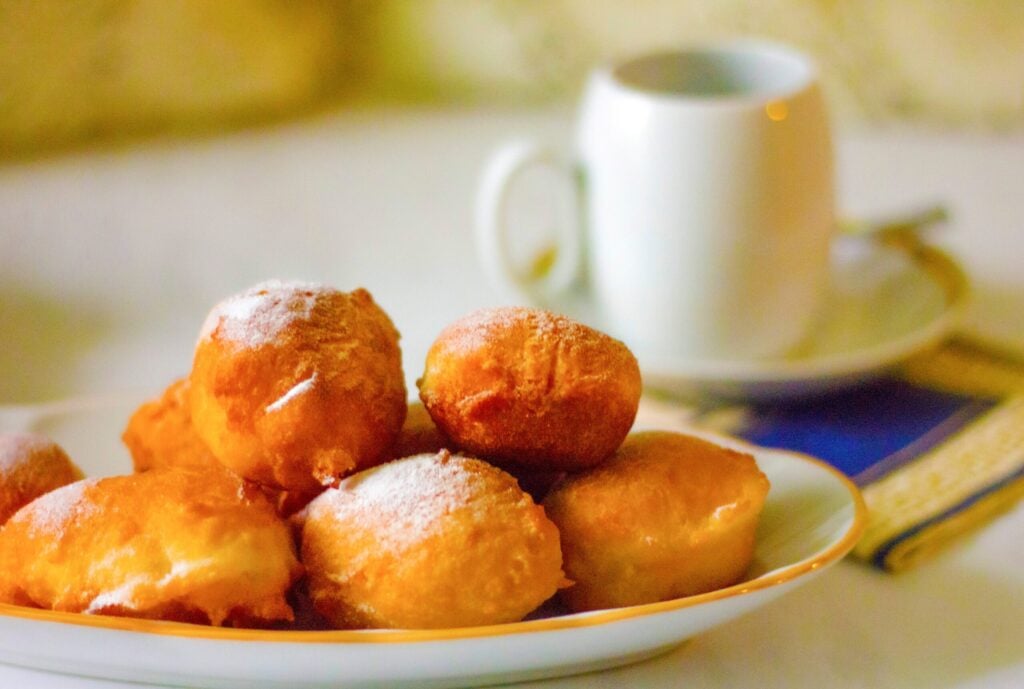
1. Petulla (Brum i skuqur)
Mëngjesi klasik shqiptar. Rrotulla brumi me maja të skuqura në vaj derisa të marrin ngjyrë të artë dhe të fryhen, të servirura me mjaltë, reçel, djathë të bardhë të freskët ose ullinj. E lehtë, pak krokante, pothuajse si një petullë e kripur. Shpesh pjesa qendrore e një mëngjesi familjar të së dielës.2. Byrek
Yes, savory phyllo pies are a breakfast food. A slice of spinach byrek, cheese byrek, or meat byrek with a yogurt drink (kos) is the standard quick breakfast from any byrek shop (byrektore) or bakery across Albania and Kosovo. See our udhëzues për byrek dhe recetë për byrek me spinaq dhe salcë domatesh.3. Djathë i bardhë (Djathë i Bardhë)
Djathë i bardhë i freskët dhe i thërrmueshëm, i ngjashëm me djathin feta grek. Hahet në copa të vogla së bashku me bukë, ullinj dhe domate. Guri i themelit të çdo mëngjesi shqiptar.4. Ullinj të freskët
Ullinj të plotë, zakonisht ullinj të zinj nga Shqipëria jugore ose të importuar nga Greqia. Hahen së bashku me djathë dhe bukë.5. Domate të freskëta
Në verë, asnjë mëngjes shqiptar nuk është i plotë pa domate të freskëta të prera në feta, ndonjëherë të spërkatura me pak vaj ulliri dhe kripë. Ndoshta pjesa më e nënvlerësuar e kulturës ushqimore shqiptare.6. Bukë e freskët
Either traditional Albanian bread (bukë shtëpie, “home bread”) or kulaç me kos (yogurt bread), still warm from the oven. See our udhëzues për bukën shqipetare.7. Trahana (ose Trahanë)
A traditional Albanian porridge made from wheat flour or cracked wheat fermented with yogurt or milk and dried into small granules, then cooked in boiling water or broth into a thick soup. Tangy, slightly sour, deeply rural. Less common in modern urban Albania but a winter classic in villages.8. Trileçe
Po, trileçe, the three-milks cake, is sometimes eaten at breakfast in modern Albanian cafés. Sweet, dense, served with a macchiato. It’s not traditional but has become a real Tirana café culture moment.9. Mjaltë
Mjalti i luleve të egra në Shqipëri është i jashtëzakonshëm. Konsumohet me petulla, i spërkatur mbi kos ose mbi bukë. Mjalti nga Alpet Shqiptare dhe malet jugore vlerësohet shumë.10. Kos (Kos)
Kos shqiptar i trashë dhe i athët që hahet pa yndyrë ose me mjaltë, shpesh si garniturë ose si bazë për trahananë. Kosi shqiptar është më afër kosit grek sesa kosit amerikan, i kulluar, i dendur, i thartë.11. Vezë
Vezët e ziera butë ose të fërguara (me shtimin e rrallë të djathit) janë të zakonshme, por më pak qendrore sesa në shumë mëngjese perëndimore. Shpesh hahen së bashku me pjatat e tjera dhe jo si pjatë kryesore.12. Kafe turke ose makiato
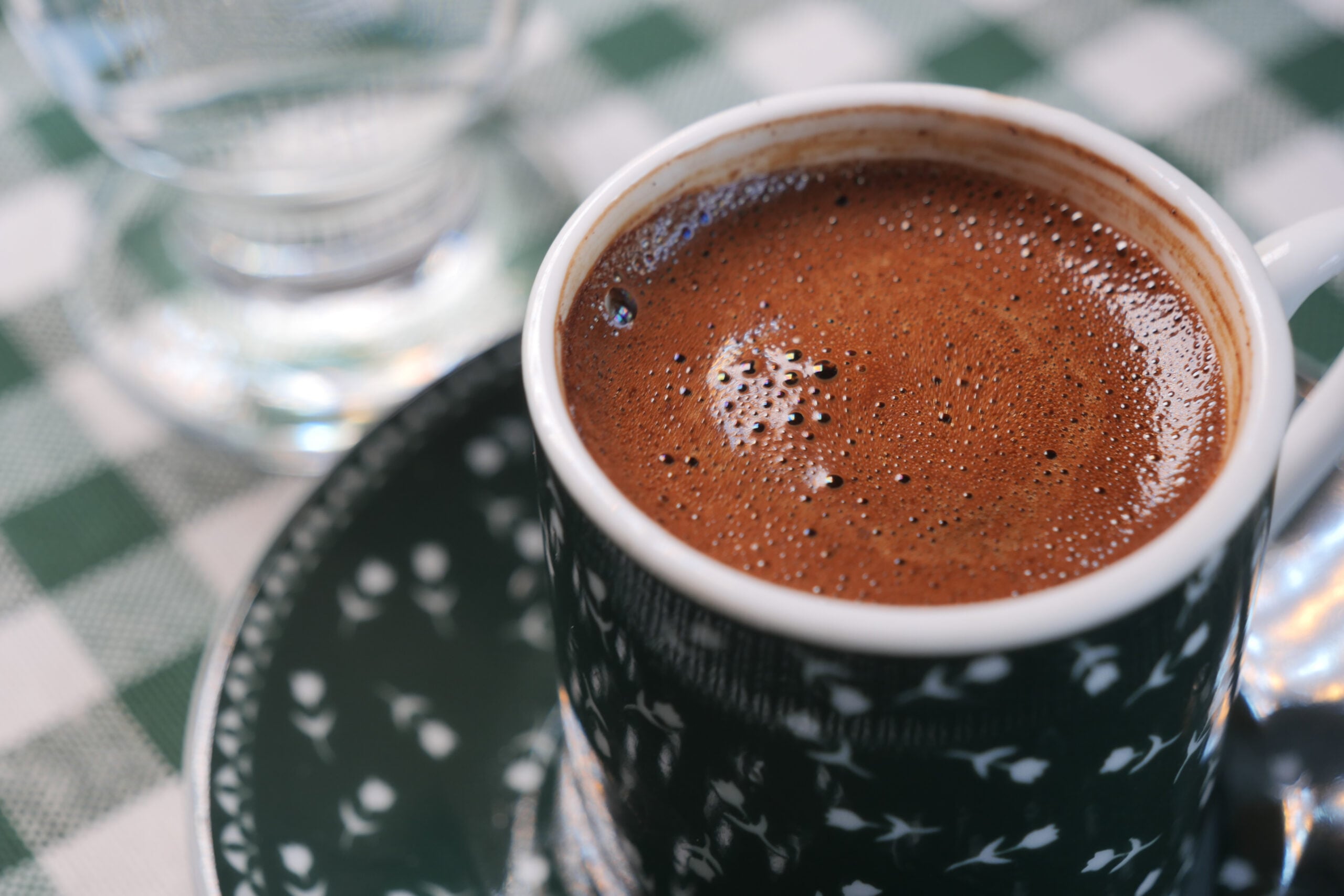
Asnjë mëngjes shqiptar nuk është i plotë pa kafe. Shqiptarët më të vjetër preferojnë kafe turke (kafe në stil turk) të përgatitur në një xhezve. Shqiptarët më të rinj urbanë porosisin makiato. Shihni tonën Udhëzues për traditën e kafesë në Shqipëri.Si duket në të vërtetë një mëngjes familjar në Shqipëri
Një mëngjes shqiptar në shtëpi për fundjavë ose festa është zakonisht një shpërndarje e shtruar në tryezë në stilin familjar:- Një pjatë me petulla, e prerë në feta
- Disa copa djathi të bardhë
- Një tas me ullinj
- Domate dhe kastraveca të freskëta të prera në feta
- Mjaltë dhe reçel në enë të vogla
- Një bukë e freskët ose kulaç me kos
- Një filxhan kafe turke
- Gota ujë ose lëng portokalli të shtrydhur fllad (sipas stinës)
Mëngjesi Shqiptar në Kafene (Tiranë, Prishtinë)
Nëse porosisni mëngjes në një kafene në Tiranë ose në Prishtinë, opsionet standarde janë:- Dolli me djathë dhe perime, bukë e thekur me djathë dhe perime
- Breakfast plate, një dërrasë me djathë, ullinj, domate, proshutë (ndonjëherë) dhe bukë
- Petulla me mjaltë, nëse kafeneja e ka
- Kroasanë, ndikimi italian shfaqet në kafenetë moderne
- Trileçe, po, kek me tre qumështa dhe kafe ekspreso
- Kos me mjaltë dhe granola, gjithnjë e më e zakonshme në kafenetë moderne
Dallimet Rajonale në Mëngjesin Shqiptar
- Shqipëria Veriore dhe Kosova: Heavier dairy use, more cornbread (bukë misri), occasional cured meat additions
- Shqipëria Qendrore: Salca klasike me ullinj, djathë petulla; shumë kos
- Shqipëria Jugore (rajonet Toske): Më shumë vaj ulliri, peshk i freskët në zonat bregdetare, mëngjese më të lehta në stilin mesdhetar
- Arbëreshë (Shqiptarët italianë): Një përzierje e vërtetë, ushqime italiane për mëngjes (cornetto, espresso) së bashku me ushqime tradicionale shqiptare
- Diaspora Shqiptaro-Amerikane: Shpesh përzien gatime tradicionale shqiptare me standardet amerikane të mëngjesit (vezë, proshutë, petulla)
Mëngjeset e Festave në Shqipëri
- Bajrami, mëngjese të ëmbla me bakllava, llokum (llokum turk) dhe bukë të veçanta
- Pashkët, vezë të ziera fort të lyera me të kuqe, djathë i bardhë i freskët, bukë e ëmbël (kulaç pashkësh)
- Krishtlindje, në familjet katolike dhe ortodokse shqiptare, bukë të ëmbla tradicionale dhe ushqime ngrohëse
- Dasma dhe festime familjare, large spreads, often beginning with sweet items (baklava, trileçe) and raki
Ku mund të gjeni mëngjesin shqiptar në SHBA.
Mëngjesi autentik shqiptar është i disponueshëm në komunitetet kryesore shqiptaro-amerikane:- Bronx dhe Yonkers, NY, Albanian bakeries and cafes serve traditional breakfast items
- Metroja e Detroitit (Sterling Heights), disa furra buke dhe restorante shqiptare
- Worcester, MA, komuniteti më i vjetër shqiptar ka furra buke që funksionojnë prej kohësh
- Boston, kafene më të reja shqipetare në Allston-Brighton
Village Breakfast Foods Recorded by Slow Food
The list above reflects what most families and cafés serve today. Older, regional breakfast foods are harder to find, and several are documented in the Ark of Taste inventory of Albanian foods that Slow Food published in 2020 as part of a project with the Food and Agriculture Organization of the United Nations (FAO). The entries below are the ones the inventory itself connects to the morning meal.
| Ushqim | Rajon | Çfarë është | How it is served in the morning |
|---|---|---|---|
| Flija (fli) | North and northeast Albania | Thin layers of batter baked one at a time under a saç, each brushed with butter and cream | Served warm with yogurt, cheese, pickles, honey or fruit jam. Slow Food notes that in many areas it is eaten in the morning |
| Çaj mali | Qarqet Vlorë, Gjirokastër, Shkodër dhe Korçë | Herbal tea from dried Sideritis raeseri | Once offered as breakfast with sliced bread and cheese in workplace and military canteens |
| Mulberry pekmez (pekmez e Lushnjës) | Lushnjë and the Myzeqe plain | Juice of ripe June mulberries simmered with a little lemon juice into a dense syrup | Traditionally served at breakfast with bread and butter, often diluted with water because it is so sweet |
| Salcë shakullit | Mountain pastures around Përmet | Drained, salted yogurt aged in an animal-skin sack for 60 to 75 days | Eaten as a starter or for breakfast. Made by herders for their own use and not sold commercially |
| Trahana | Korçë County, Myzeqe and much of the south | Wheat flour or cracked wheat fermented with yogurt or milk, then dried into small grains | Cooked into a thick soup with leftover bread, butter or olive oil, red pepper and white cheese |
| Bukë misri (bukë misri kelmend) | Kelmend, Qarku Shkodër | Corn flour and hot water baked on a heated stone under an iron lid | Best eaten warm. The hard crust is sometimes softened in shëllirë, the brine that white cheese is kept in |
Two of these tell you something about the country. Salcë shakullit is tied to the Aromanian herding communities of southern Albania, and Slow Food warns that the number of herders who still take animals to the high pastures is falling quickly. Kelmend cornbread was once made from local yellow corn, but the inventory records that those varieties were lost after 1967, when the state decided which crops each area would grow, and white corn took their place.
Trahana Up Close: Sweet, Sour and Red
Trahana deserves more than one line because it is the most distinctive thing on the traditional breakfast table. Slow Food describes three main types. Sweet trahana is made with whole milk, usually from goats. Sour trahana is made with yogurt. Red trahana mixes the flour with a puree of tomatoes, onions and red peppers instead of dairy. In Mallakastër, in Fier County, some families mix the flour with a clear meat broth.
The method is the same in each case. The dough is left to ferment for 2 to 3 days, traditionally in a wooden container, then dried and crumbled between thumb and fingers into small, irregular grains about the size of rice. It was made in autumn as a winter provision, and the inventory notes that during the 7 to 10 days of drying nearly every flat surface in the house is covered with trays. To cook it, a few spoonfuls go into boiling water or broth. In some regions it is finished with onions or leeks caramelized in a pan.
Slow Food places trahana in a family of fermented grain and milk foods found across the Balkans and Anatolia and linked to the Middle Eastern and Persian keshk. Very few Albanian families still make it, and only two or three companies produce it commercially, but the inventory reports that home production has started to rise again and that trahana has been introduced in some school canteens.
What Goes in the Cup: Çaj Mali, Dhallë and Coffee
Coffee gets the attention, but it is not the only morning drink. Çaj mali, literally mountain tea and also called shepherd’s tea, is described by Slow Food as one of the most popular herbal teas in Albania and widely drunk every day. The plant grows wild above 800 meters and is also raised from seed in household gardens. It is harvested in July when in full bloom, dried in the shade, then cut into short lengths, dropped into boiling water, simmered for a few minutes and left covered. Honey and lemon are common additions. The inventory’s warning is about overharvesting: plants pulled up by the roots do not come back the next season.
Dhallë, the yogurt drink that bakeries pour alongside byrek, turns up with other savory foods too. Slow Food’s recipe for qifqi, the rice balls of Gjirokastër, suggests serving them with white cheese, yogurt or dhallë. For the coffee itself, see our coffee guide linked above.
Making an Albanian Breakfast at Home in the US
You do not need a specialty shop for most of the table. A practical shopping list:
- White cheese: any brined feta works. Encyclopaedia Britannica describes feta as a fresh white cheese, originally made from sheep’s or goat’s milk, that is cured briefly in brine, which is the same style as djathë i bardhë. Keep it in its brine so it does not dry out.
- Kos: plain and unsweetened, served on its own or with honey.
- Petulla: Taste Atlas describes the dough as flour, yeast, milk, eggs, sugar and salt, rested, then dropped by the spoonful into hot oil and fried until golden, and served with powdered sugar, honey, jam or feta.
- Mountain tea: in Albania it is sold dried at farmers’ markets and, packaged, in supermarkets. In the US, ask for it at an Albanian or Balkan grocer, and check the label for the botanical name Sideritis.
- The rest: olives, ripe tomatoes, cucumbers, honey, fruit jam and a fresh loaf.
One safety note, because the traditional breakfast is long and leisurely. The USDA Food Safety and Inspection Service advises that perishable food should not sit at room temperature for more than 2 hours, or 1 hour if the temperature is above 90°F. Cheese, yogurt, eggs and any byrek with a meat or cheese filling fall under that rule, so put them back in a refrigerator set at 40°F or below once the meal winds down. Leftover byrek keeps 3 to 4 days in the refrigerator and should be reheated to 165°F (74°C), checked with a food thermometer.
If you would rather have someone else do the cooking, browse our list of Restorante shqiptare pranë jush and call ahead to ask what they serve in the morning. Our udhëzues për ushqimin shqiptar explains the dishes you will see on the rest of the menu.
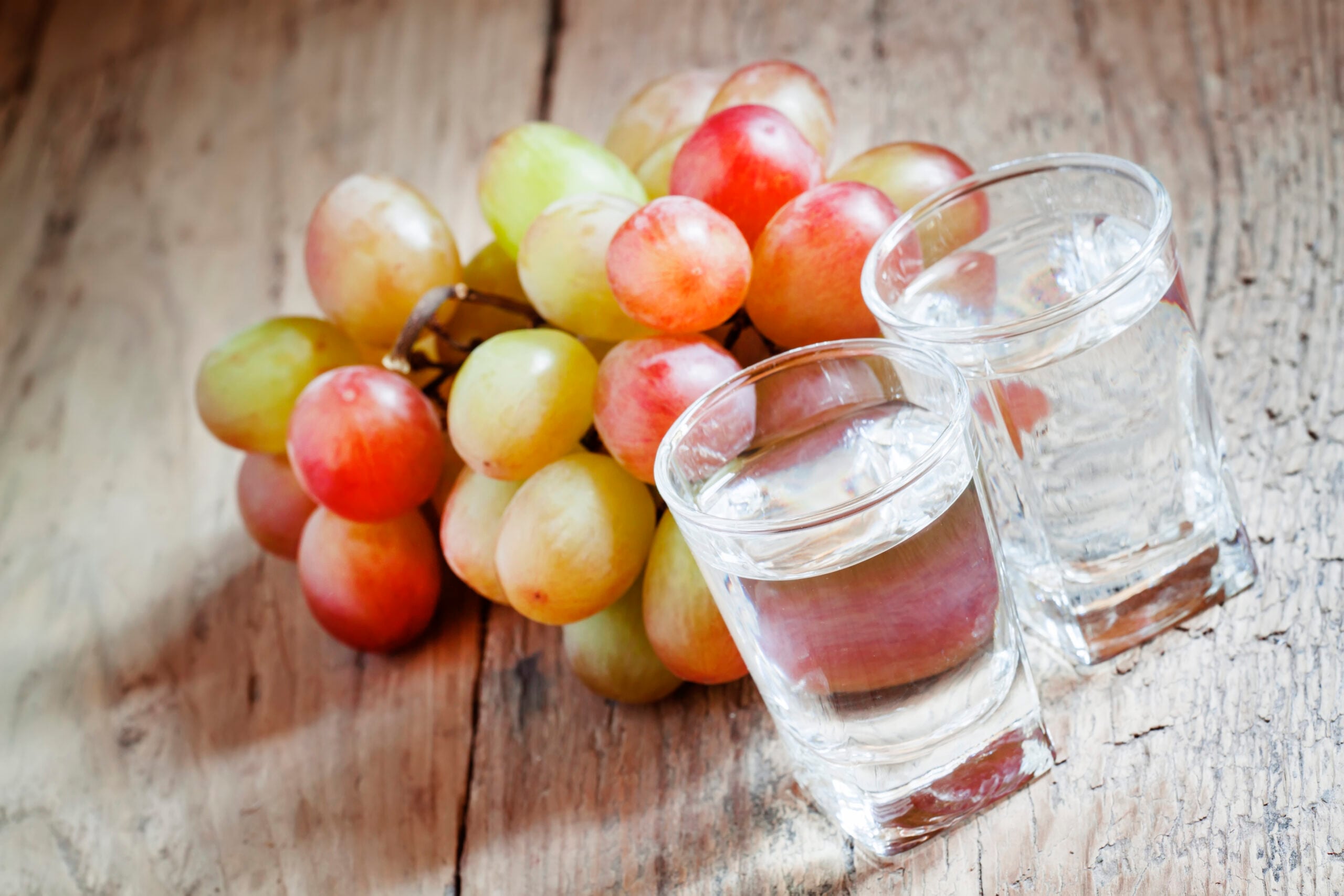
Raki is not a breakfast drink, but it is the spirit you will be offered in the same homes; what Albanian raki is made of explains the grape base and the distilling.
Pyetje të shpeshta
Çfarë hanë shqiptarët për mëngjes?
Mëngjesi tradicional shqiptar zakonisht përfshin petulla (brumë të skuqur), djathë të bardhë, ullinj, domate të freskëta, byrek me kos, kafe turke dhe mjaltë ose reçel. Është një mëngjes i shijshëm, me shumë produkte qumështi, në stilin mesdhetar.
A është byreku vërtet një ushqim për mëngjes?
Yes. A slice of byrek with a yogurt drink is a common quick breakfast in Albania, sold at byrek shops (byrektore) and bakeries every morning. Spinach byrek and cheese byrek are the most popular breakfast varieties.
Çfarë është petulla?
Petullat janë rrathë brumi të skuqur shqiptar, të lehtë, pak krokante, të ngjashëm me një petullë të kripur. Pjata klasike e mëngjesit të së dielës/fundjavës, e servirur me mjaltë, reçel, djathë ose ullinj.
Çfarë është trahana?
Trahanaja është një qull tradicional shqiptar për mëngjes i përgatitur nga gruri i bluar i fermentuar në kos dhe i tharë, pastaj i rikonstituuar me qumësht ose ujë. I athët dhe rural, më pak i zakonshëm në Shqipërinë moderne urbane, por prapëseprapë një klasik dimëror në fshatra.
A hanë shqiptarët vezë dhe proshutë për mëngjes?
Vezë po, herë pas here, por pjatat kryesore janë djathi, ullinjtë, domatet, byreku dhe petulla në vend të modelit amerikan me vezë dhe proshutë. Proshuta është e pazakontë në mëngjeset tradicionale shqiptare.
Cili është mëngjesi më i mirë shqiptar në Tiranë?
Many Tirana cafés serve a breakfast plate of cheese, olives, tomatoes and bread, and the byrek shops around Pazari i Ri (the New Bazaar) sell fresh byrek in the morning. See our Udhëzues për gjërat që duhet të bëni në Tiranë.
What do Albanians drink at breakfast besides coffee?
Mountain tea (çaj mali) and dhallë. Slow Food describes çaj mali, brewed from dried Sideritis raeseri, as one of the most popular herbal teas in Albania and records that it was once served as breakfast with bread and cheese in workplace canteens. Dhallë, a yogurt drink, is what bakeries usually pour with a slice of byrek.
Is flija a breakfast food?
Often, yes. Slow Food’s Ark of Taste inventory says that in many areas of northern Albania fli is eaten in the morning. It is served warm, about ten minutes after the last layer is baked, with either savory sides such as yogurt, cheese and pickles or sweet ones such as honey and fruit jam.
How long can an Albanian breakfast spread stay on the table?
Follow the two-hour rule. The USDA Food Safety and Inspection Service says perishable foods such as cheese, yogurt, eggs and filled pastries should not be left at room temperature for more than 2 hours, or 1 hour above 90°F. The FDA gives the same limit and recommends keeping the refrigerator at or below 40°F (4°C).
Burimet
- Ushqim i Ngadaltë: Arka e Shijes në Shqipëri, ushqim, njohuri dhe histori të trashëgimisë gastronomike (2020, PDF)
- Shërbimi i Sigurisë dhe Inspektimit Ushqimor i USDA-së: Mbetjet dhe Siguria Ushqimore
- U.S. Food and Drug Administration: Are You Storing Food Safely?
- Encyclopaedia Britannica: Feta
- Taste Atlas: Petulla
Lexime të Ngjashme
- Ushqimi Shqiptar: Udhëzuesi i Plotë
- Ushqime të Popullarizuara në Shqipëri: 20 Pjata Tradicionale
- Buka Shqiptare: Llojet Tradicionale të Shpjeguara
- Tradita e kafesë në Shqipëri
- Byrek vs Borek vs Burek
- Të gjitha recetat shqipetare
- Ushqimi Shqiptar: Udhëzuesi i Plotë për Kuzhinën Tradicionale
- Buka Shqiptare: Bukët Tradicionale dhe Si t'i Përgatitni
- Tradita e kafesë në Shqipëri: Kultura, rituali dhe si prodhohet
- Ushqime të Popullarizuara në Shqipëri: 20 Pjata Tradicionale
- Çfarë e bën kuzhinën shqiptare unike
Lexime të ngjashme: Djathë Shqiptar · Pica Shqiptare · Ushqimi shqiptar

Autor: Dardanë Halimi
Dardanë Halimi është një shkrimtare dhe profesioniste e komunikimit me titull magjistër në Shkrim, Retorikë dhe Komunikim Teknik nga Universiteti James Madison. Puna e saj përqendrohet në tregimin e historive, përmbajtjen digjitale, arsimin e lartë dhe komunikimin strategjik, me përvojë në shkrimin për organizata akademike, jofitimprurëse dhe marketingu si në Shtetet e Bashkuara ashtu edhe në Kosovë.