
Ask an Albanian what the national drink is and you will get two answers before you finish the question: raki dhe coffee. Both are true, and both are only the beginning of the story of Albanian drinks. Albania and Kosovo have a beer culture older than most people expect, native wine grapes found nowhere else, a fermented grain drink sold from street stalls, a winter drink made from orchid root, and a mountain tea that half the country swears by. This guide covers what Albanians drink, when, and where to find each one in the United States.
Në këtë faqe
- Raki
- Coffee
- Beer
- Wine
- Brandy and liqueurs
- Boza, dhallë, salep and mountain tea
- Where to find Albanian drinks in the US
- Pyetje të shpeshta
Raki
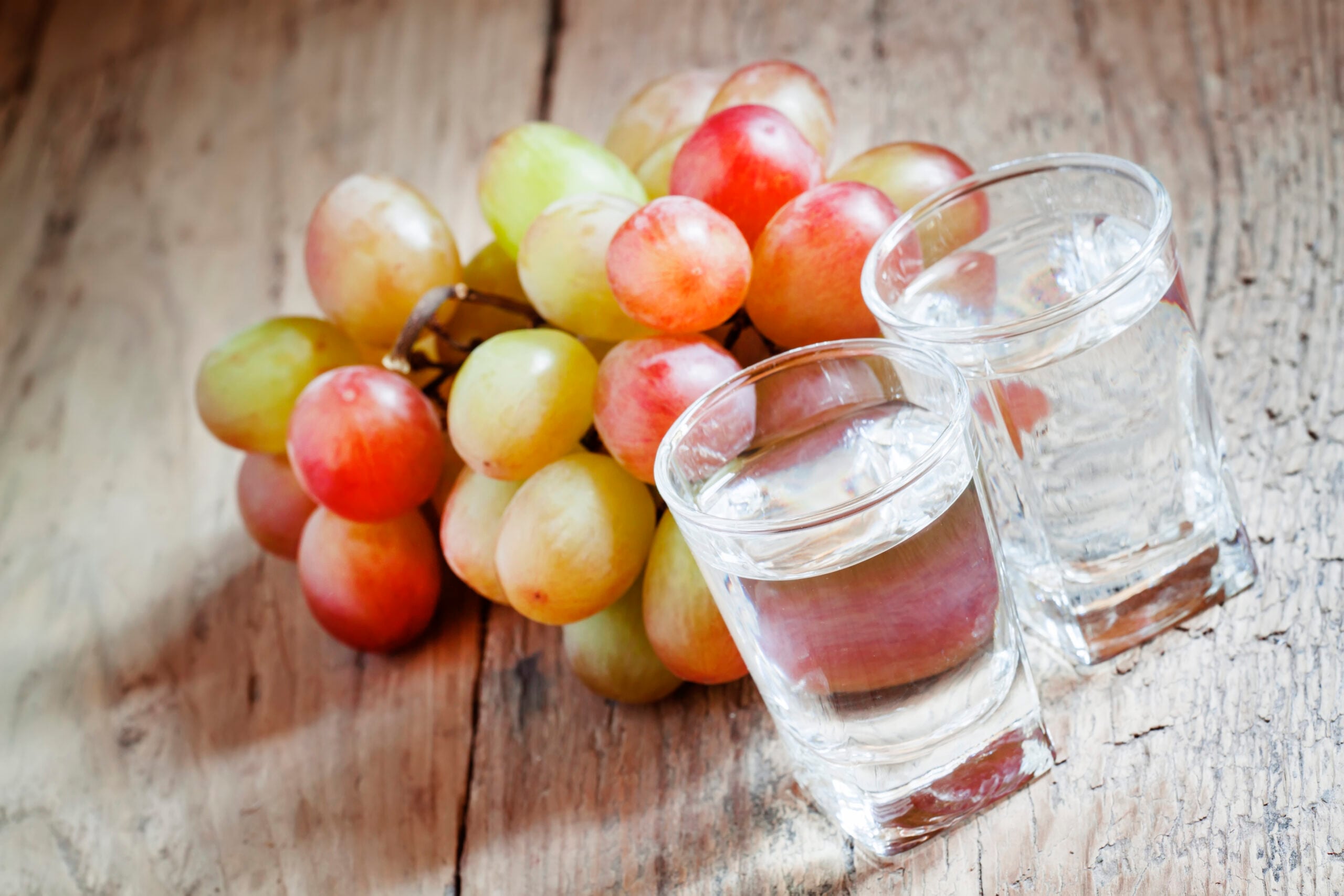
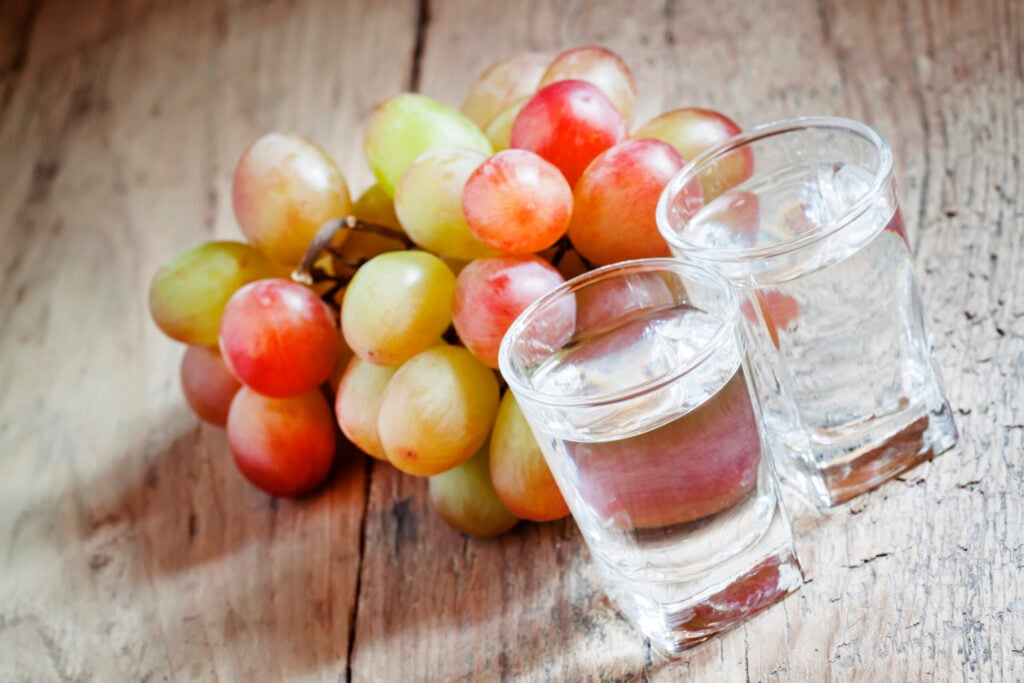
Albanian raki is a clear fruit brandy, most often distilled from grape pomace, sometimes from plums, mulberries or other fruit, and usually 40 to 50 percent alcohol when made at home. It is poured at the start of a meal rather than the end, sipped slowly with meze, and offered to any guest who crosses the threshold. Every region has a preference: grape raki in the south, plum raki in the north and in Kosovo, mulberry raki in the mountains. Our guide to Raki shqipe covers the ingredients, the copper-still process and how to drink it properly.
Coffee
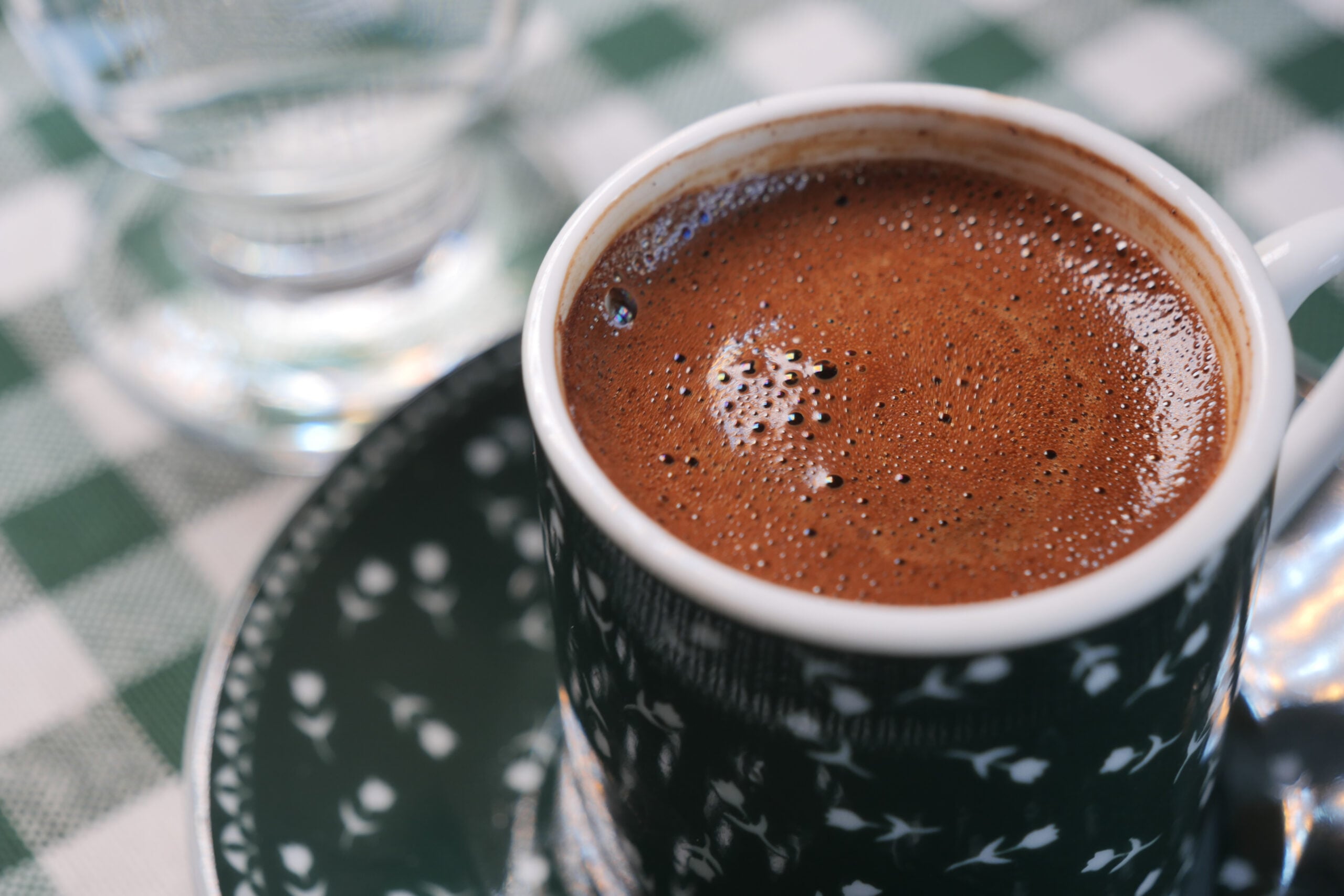
Coffee is the social engine of Albanian life. Traditional kafe turke, boiled in a long-handled pot and served in a small cup with the grounds settling at the bottom, is still the coffee of the home and of older cafés, while espresso and macchiato dominate the bars of Tirana and Pristina. The custom that matters is time: a coffee is an invitation to sit for an hour, and business, family news and politics are settled over it. Albania has one of the highest densities of cafés per person in Europe. See the Albanian coffee tradition for the ritual and the etiquette.
Beer
Birra Korça, brewed in the southeastern city of Korçë since 1928, is the oldest Albanian beer and the one most associated with the country; its annual beer festival in August draws visitors from across the Balkans. Birra Tirana has been brewed in the capital since 1960, and Stela dhe Elbar are the other widely available Albanian labels. In Kosovo, Birra Peja, brewed in Peja since 1971, is the national beer and a fixture of every diaspora gathering. Lagers dominate, served cold with grilled meat, and the beers are increasingly exported to the United States for the Albanian market.
Wine
Albania has grown wine since Illyrian and Roman times, and its native grapes are its real story. Kallmet, a red from the Shkodër and Lezhë area in the north, is the best-known indigenous variety. Shesh i Zi dhe Shesh i Bardhë, a red and a white from the hills around Tirana and Durrës, are named for the village of Shesh. Debinë is the white of Përmet in the south, and Pulës is grown around Berat, whose wineries in the Osum valley are the most visited in the country. Cabernet, Merlot and Chardonnay are planted too, but a bottle of Kallmet or Shesh is the one to bring to an Albanian table. The Udhëzues udhëtimi për Beratin lists wineries that welcome visitors.
Brandy and Liqueurs
Konjak Skënderbeu, an aged grape brandy named after the national hero and produced in Durrës, is the classic Albanian spirit for gifts and toasts, with a label that has barely changed in decades. Fruit liqueurs, walnut liqueur and homemade cherry brandies appear in the north and in Kosovo, and mastika, an anise-flavored spirit, is found in the south near the Greek border.
Boza, Dhallë, Salep and Mountain Tea
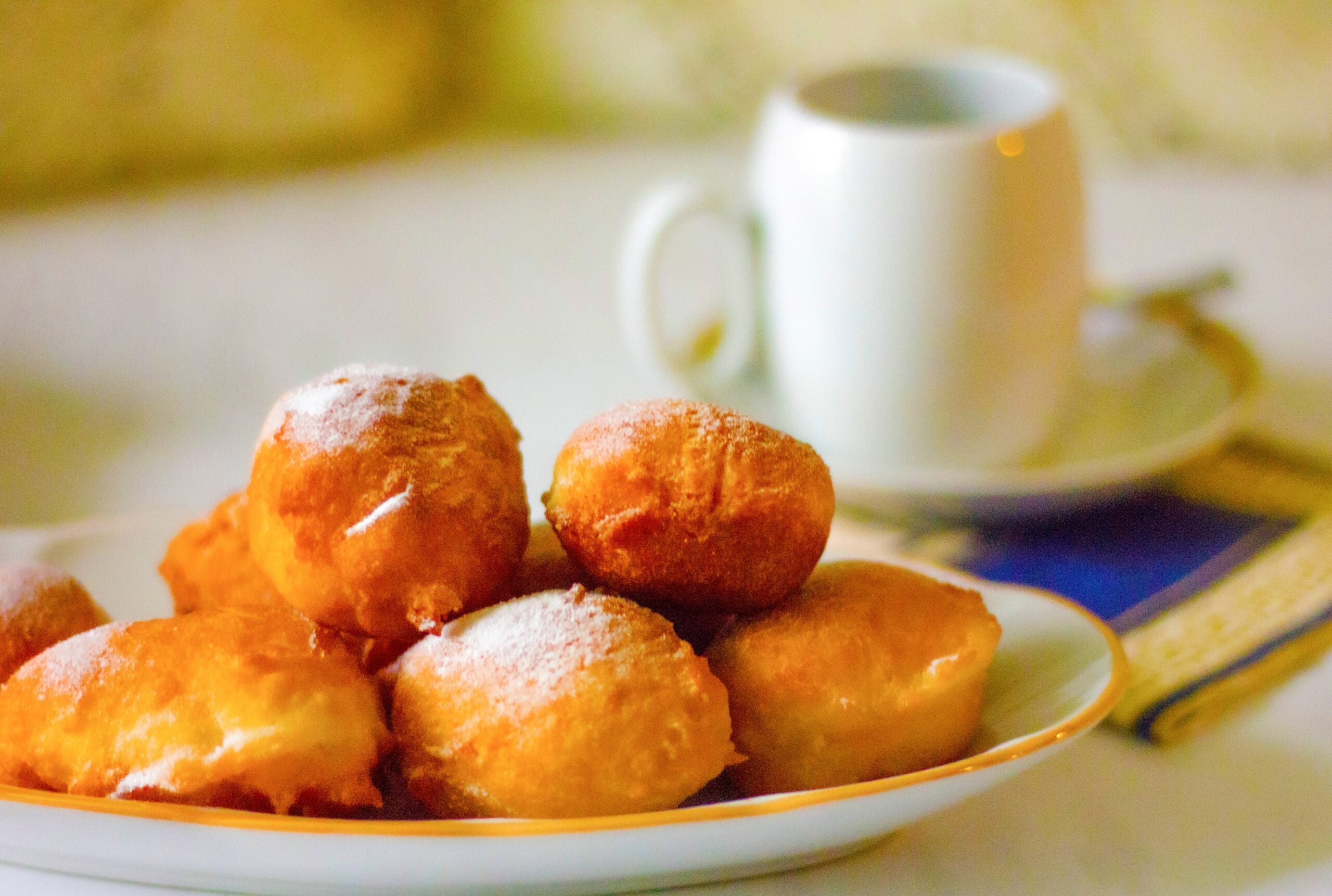
Bozë is a thick, sweet, lightly fermented drink made from corn or wheat, sold by the glass from Tirana’s old bozaxhi shops and drunk on hot afternoons; its alcohol content is barely measurable. Dhallë is yogurt thinned with cold water and salt, the drink that goes with byrek and grilled meat, close to Turkish ayran. Salep, a hot, milky winter drink thickened with orchid-root flour and dusted with cinnamon, is sold by street vendors in Tirana from November to March. Çaj mali, mountain tea, is brewed from dried Sideritis flowers gathered in the highlands and drunk for colds, digestion and habit; it is the tea Albanians mean when they simply say tea. Albania also bottles mineral water from mountain springs, with Glina from the south the most familiar label, and homemade kompot, boiled fruit in sweet water, is served cold at family meals.
Where to Find Albanian Drinks in the US
Birra Korça, Birra Peja, Konjak Skënderbeu and Albanian wines are stocked by the Dyqane ushqimore shqiptare in the Bronx, Staten Island, Waterbury, Detroit and Chicago, and raki is poured at most of the Restorante shqiptare pranë jush. Mountain tea and salep flour travel well and are sold by the same grocers; boza and dhallë are made fresh, so look for them at Albanian bakeries and cafés, of which the directory lists more than seventy.
Burime dhe Lexime të Mëtejshme
- Albanian wine, Wikipedia
- Birra Korça, Wikipedia
- Bozë, Wikipedia
- Albania: Daily life and social customs, Britannica
Albanian Drinks at a Glance
| Drink | Çfarë është | When and how |
|---|---|---|
| Raki | Grape spirit, usually 40 to 50 percent, home-distilled in every region | A small glass before a meal, with meze, or with coffee in the morning in the villages |
| Kafe turke | Finely ground coffee boiled in a small pot, served with the grounds | All day; the drink of every visit and every negotiation |
| Espresso and macchiato | The Italian coffee habit, universal since the 1990s | Cafe terraces from morning to midnight; Albania has one of the highest densities of cafes in the world |
| Beer | Korça, brewed since 1928, and Tirana, Peja and Stela | Summer evenings; Korça is the national brand |
| Wine | Native grapes such as Kallmet, Shesh i Bardhë, Shesh i Zi and Pulës, plus international varieties | With meals; the wineries of Berat, Korçë and Shkodër welcome visitors |
| Bozë | A thick, slightly fermented drink of corn and wheat | Cold, from pastry shops, especially in Kosovo and the north |
| Dhallë | Salted diluted yogurt | With byrek and grilled meat in summer |
| Çaj mali | Mountain tea from the ironwort plant of the high pastures | Winter, and for anything that ails you |
| Salep | A hot, sweet drink thickened with orchid root, dusted with cinnamon | Winter, from street sellers in Tirana and Prishtina |
Albania’s Wine Regions
| Rajon | Grapes | Personazhi |
|---|---|---|
| Berat and the Osum valley | Pulës, Shesh i Bardhë, Shesh i Zi, Vlosh | The historic heart of Albanian wine, with the country’s best-known family wineries |
| Korçë and the southeast | Merlot, Cabernet, local Debinë | Cooler and higher; fresher reds and whites |
| Shkodër and the north | Kallmet | The native red of the north, grown on the hills above the lake |
| Tirana and Durrës | Shesh i Bardhë, Shesh i Zi | The plain’s traditional grapes, now in larger modern wineries |
| Përmet | Debinë and others | Better known for raki and for gliko, the spoon sweets served with it |
Albanian wine was made on an industrial scale under communism and mostly exported in bulk, then rebuilt from scratch after 1991 by families who replanted the old varieties. The result is a young industry with old grapes, and the tasting rooms around Berat are the easiest way to try it. Raki, by contrast, never went away: most rural families still distill their own each autumn from the grape skins left after pressing, and a guest is judged partly by whether they accept a glass. For the spirit itself, see Nga çfarë bëhet rakia, and for the coffee ritual that shapes Albanian social life, the Albanian coffee tradition.
A last word on etiquette. Refusing a drink outright can offend, but accepting the glass and sipping slowly is perfectly acceptable, and a host will never press a guest who says they do not drink alcohol; coffee or juice will appear instead within the minute.
Pyetje të shpeshta
Quick answers about Albanian drinks.
What is the national drink of Albania?
Raki, the clear fruit brandy served with meals and to guests. Coffee is the everyday national ritual.
What beer do Albanians drink?
Birra Korça, brewed since 1928, and Birra Tirana in Albania; Birra Peja in Kosovo. All three are exported to Albanian grocers in the US.
Does Albania make wine?
Yes, and it has native grapes: Kallmet, Shesh i Zi, Shesh i Bardhë, Debinë and Pulës. Berat and Përmet are the best-known wine areas.
What is boza?
A sweet, thick, lightly fermented drink made from corn or wheat, sold in Tirana’s old boza shops. It contains almost no alcohol.
What is çaj mali?
Mountain tea, brewed from dried Sideritis flowers picked in the highlands. It is the default tea in Albanian homes and a folk remedy for colds.
How do you say cheers in Albanian?
Gëzuar, pronounced guh-ZOO-ar, said while touching glasses and looking the other person in the eye.
Burimet

Autor: Dardanë Halimi
Dardanë Halimi është një shkrimtare dhe profesioniste e komunikimit me titull magjistër në Shkrim, Retorikë dhe Komunikim Teknik nga Universiteti James Madison. Puna e saj përqendrohet në tregimin e historive, përmbajtjen digjitale, arsimin e lartë dhe komunikimin strategjik, me përvojë në shkrimin për organizata akademike, jofitimprurëse dhe marketingu si në Shtetet e Bashkuara ashtu edhe në Kosovë.