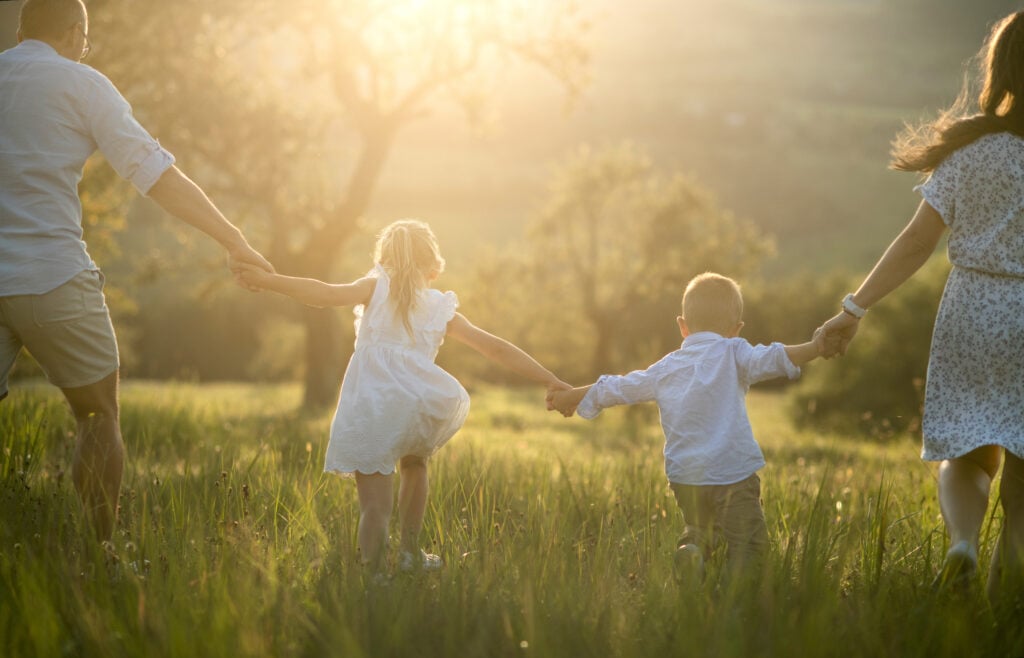
Hyni në një familje shqiptare kudo në botë dhe do të vini re menjëherë diçka: ngrohtësia nuk është performative. Tryeza është plot pavarësisht nëse ishin apo jo të pritur mysafirë. Të moshuarit ulen të parët. Fëmijët mbahen afër. Vlerat familjare shqiptare nuk janë një grup rregullash të shkruara në mur. Ato janë endur në jetën e përditshme në mënyra të holla, të fuqishme dhe thellësisht kuptimplote për ata që i bartin ato.
Familjet shqiptare përcaktohen nga vlera të forta kolektiviste, duke përfshirë besnikërinë ndaj familjes mbi të gjitha, mikpritjen radikale ndaj mysafirëve, jetesën ndërgjeneracionale dhe një kod nderi të njohur si besa. Këto tradita, të rrënjosura në shekuj të historisë dhe kulturës shqiptare, formësojnë mënyrën se si familjet shqiptare komunikojnë, marrin vendime, rrisin fëmijë dhe lidhen me komunitetin e gjerë, si në Shqipëri ashtu edhe në të gjithë diasporën.
The Albanian word for family is familje (familja, “the family”), a learned borrowing from Latin familia, according to Wiktionary. An older word from the same Latin root, fëmijë, now means children. For the wider kin group Albanians use fis, glossed as clan, tribe or large family (Wiktionary).
TLDR
- Familja është njësia qendrore e shoqërisë shqiptare, e cila i jepet përparësi mbi preferencat individuale.
- Besa (fjala e nderit) krijon një pritshmëri kulturore për besnikëri dhe integritet brenda familjes.
- Mikpritja është një detyrë morale, jo vetëm një mirësjellje shoqërore
- Familjet shumëgjeneracionale janë të zakonshme dhe të pritshme në shumë familje.
- Pleqtë trajtohen me respekt të thellë dhe udhëzimi i tyre mbart autoritet të vërtetë
- Arsimi dhe puna e palodhur janë vlera thelbësore të transmetuara brez pas brezi
- Identiteti familjar shqiptar mbetet i fortë edhe përgjatë shumë brezave në diasporë
Në këtë faqe
- Fondacioni Kolektivist
- How Albanian Households Are Structured
- The Role of the Extended Family
- Besa: Kodi që e mban të bashkuar
- Mikpritja si një detyrim moral
- Respekt për të moshuarit
- Arsimi dhe Etika e Punës
- Familjet Shqiptare në Diasporë
- How Family Life Changes in America
- Pyetje të shpeshta
Fondacioni Kolektivist i Jetës Familjare Shqiptare
Për të kuptuar vlerat familjare shqiptare, duhet të kuptoni një koncept themelor: në kulturën shqiptare, familja është para individit. Ky nuk është diçka unike për shqiptarët, por shkalla në të cilën ajo formëson vendimmarrjen e përditshme, detyrimet sociale dhe identitetin personal është e dukshme.
Siç dokumentohet nga AFS-USA në profilin e tyre kulturor të Shqipërisë, Familja është institucioni kryesor i shoqërisë shqiptare. Tradicionalisht, shumë breza jetojnë nën një çati, me gjyshërit, prindërit dhe fëmijët që ndajnë përgjegjësitë, ushqimet dhe jetën e përditshme. Kjo strukturë krijon një rrjet të fuqishëm mbështetës ku rritja e fëmijëve është një përpjekje e komunitetit, për të moshuarit kujdeset në shtëpi dhe vendimet e mëdha merren me kontributin e të gjithë familjes.
How Albanian Households Are Structured
The traditional Albanian household was large, lived together across several generations, and was organized through the male line. Households today are much smaller, but parts of that pattern still shape family life.
The Library of Congress country study of Albania describes the older system. Until the end of World War II, society in the north, and to a much lesser extent in the south, was organized by kinship and descent. The basic unit was the extended family, which formed “a single residential and economic entity held together by common ownership.” Descent was traced through the male line, and brides usually came from outside the clan. In the southern Tosk regions the extended family was also the most important social unit, although patriarchal authority there had been weakened by the estates of the Muslim beys (Library of Congress Country Studies).
Marriage was patrilocal: a bride left her parents’ home and moved into her husband’s family. The demographer Mathias Lerch, in a 2013 study in Demographic Research based on Albania’s 2001 census and a 2002 health survey, explains that in this system sons, not daughters, were expected to support their parents in old age, which helps explain a documented preference for sons. Communist industrialization and urbanization challenged these institutions, yet Lerch found that municipalities where patriarchal household patterns were stronger still had earlier marriages and larger families (Lerch, 2013).
The latest census figures, set out further down this page, show the shift: Albania’s average household fell to 3.2 people in 2023 and Kosovo’s to 4.33 in 2024, yet households of five or more people still house more than a third of Albania’s population.
The Role of the Extended Family
For Albanians, family has traditionally meant much more than parents and children. Several extended families made up a clan, or fis. According to the Library of Congress study, the clan chief held patriarchal power over the whole group: he arranged marriages, assigned tasks, settled disputes, and decided the group’s course on matters such as blood feuds and politics (Library of Congress Country Studies). The customary law of the north, the Kanun, likewise obligates the individual to guard the honor of family, clan and tribe, as the Gale Encyclopedia of Multicultural America notes in its entry on Albanian Americans (Jurgens).
Clan authority of that kind belongs to the past, but the wider family still carries real weight. It shows up in three practical ways:
- Big occasions are family events. Weddings, funerals and holidays bring together cousins, aunts and uncles, not only the immediate family. See our guide to Traditat e dasmave në Shqipëri.
- Money crosses borders. Remittances from relatives abroad equaled 8.4 percent of Albania’s GDP and 17.3 percent of Kosovo’s in 2024, as the World Bank figures below show.
- Care for elders is a family matter. With so many children living abroad, families often have to organize the care of aging parents across borders. Our guide on caring for aging parents from abroad covers the practical side.
Besa: Kodi që i mban të gjitha bashkë
Ndoshta tipari më dallues i kulturës familjare shqiptare është besa. Fjala përkthehet përafërsisht si "fjalë nderi" dhe funksionon si një kod sjelljeje personal dhe shoqëror. Besa i detyron shqiptarët të veprojnë me integritet, të mbrojnë ata që janë nën kujdesin e tyre, të respektojnë angazhimet e tyre dhe t'i trajtojnë mysafirët me respekt. Shqipëria ishte një nga vendet e vetme evropiane ku popullsia hebraike u rrit në të vërtetë gjatë Holokaustit, një fakt i njohur nga Muzeu Memorial i Holokaustit i Shteteve të Bashkuara.
Mikpritja si një detyrim moral
Në kulturën shqiptare ekziston një shprehje që përkthehet si: “Shtëpia i përket së pari Zotit dhe pastaj mysafirit.” Mikpritja shqiptare, e njohur si mikpritja, konsiderohet një detyrë morale dhe jo një opsion shoqëror. Kur mbërrin një mysafir, ai ushqehet më parë, ulet në vendin më të mirë dhe trajtohet me vëmendje të plotë pavarësisht nëse familja ishte e përgatitur për shoqërinë.
Respekt për të moshuarit dhe autoritetin ndërgjeneracional
Pleqtë në familjet shqiptare zënë një pozicion me autoritet dhe nderim të konsiderueshëm. Vendimet në lidhje me ngjarjet e mëdha të jetës, duke përfshirë martesën, arsimimin dhe karrierën, shpesh diskutohen me prindërit dhe gjyshërit, perspektiva e të cilëve konsiderohet thelbësore dhe jo opsionale. Fëmijëve shqiptarë zakonisht u mësohet t'i përshëndesin zyrtarisht të moshuarit, të ofrojnë vendin e tyre, të dëgjojnë para se të flasin dhe të shmangin kundërshtimin e një të moshuari në publik.
Në diasporë, shqiptaro-amerikanët e gjeneratës së dytë ndonjëherë përballen me tensione midis këtyre pritjeve dhe normave më egalitare amerikane. Mund të lexoni më shumë rreth kësaj përvoje në artikullin tonë mbi duke u rritur si shqiptar në Amerikë.
Arsimi, Ambicia dhe Etika e Punës në Shqipëri
Familjet shqiptare i japin një vlerë të madhe arsimit dhe arritjeve profesionale. Profili statistikor i Harvard Growth Lab i shqiptaro-amerikanëve, based on Census Bureau survey data for 2012, found that 31.9 percent of first generation Albanian Americans held at least a bachelor’s degree, compared with 29.2 percent of other Americans, while the second generation stood at 26.5 percent. Albanian parents often speak of success not as an individual achievement but as something the whole family shares in.
Familjet Shqiptare në Diasporë
The Albanian diaspora in America is concentrated primarily in New York, Michigan, and Massachusetts, which together held 58 percent of Albanian Americans in the Harvard Growth Lab profile. As documented by Hulumtimi i Germin mbi identitetin e diasporës shqiptare, familjet që ruajnë gjuhën shqipe në shtëpi, festojnë festat shqiptare dhe marrin pjesë në ngjarjet e komunitetit kanë tendencë të lindin fëmijë që ndihen të lidhur fort me rrënjët e tyre. Gjeni profesionistë dhe biznese shqiptare pranë jush përmes Drejtoria e Lidhjes ALB.
How Albanian Family Life Changes in America
Albanian families in the United States keep many of the old expectations, but they adapt them. The Gale Encyclopedia of Multicultural America describes the traditional Albanian household as a patriarchy headed by the eldest male, in which children have a duty to honor their parents and respect their wishes, and marriages were traditionally arranged by parents or a matchmaker. It adds that the dowry customary in Albania is not followed in the United States, and that many Albanian American women “feel caught between two worlds” (Jurgens).
The generations are now roughly balanced. The Harvard Growth Lab profile found that, in most Albanian American communities, the US born or US raised second generation outnumbered the immigrant first generation, with exceptions such as Pennsylvania, Maryland and Ohio (Nedelkoska and Khaw, 2015). Our article on duke u rritur si shqiptar në Amerikë looks at how children of immigrants balance these expectations.
Ties to the homeland stay strong. In a 2015 survey of Albanian Americans in New York, Detroit and Boston, about 62 percent said they bought products imported from home, and respondents reported spending about US$1,200 a year on them (Orozco, 2015). For how this plays out at home, see our guides to Albanian parenting style dhe teaching your kids Albanian.
What the Census Says About Albanian Households
Official statistics give a measurable picture of the family patterns described above. Albania’s 2023 Population and Housing Census counted 755,950 households with an average of 3.2 members each, down from 3.9 in the 2011 census. Kosovo’s 2024 census found an average of 4.33 people per private household, down from 5.90 in 2011.
Households are getting smaller in both countries, but large family homes remain a big part of daily life. In Albania, households of five or more people are fewer than one in five of all households, yet they are home to more than a third of the population.
| Measure | Figurë | Source and year |
|---|---|---|
| Average household size, Albania | 3.2 members (3.9 in 2011) | INSTAT, Census 2023 |
| Average household size, Kosovo | 4.33 members (5.90 in 2011) | Kosovo Agency of Statistics, Census 2024 |
| Households with five or more members, Albania | 19.5 percent of households, 35.8 percent of the population | INSTAT, Census 2023 |
| One-person households, Albania | 13.7 percent of households, 4.3 percent of the population | INSTAT, Census 2023 |
| People in private households who live in a family unit, Albania | 88.1 percent | INSTAT, Census 2023 |
| Households that own their home, Albania | 82.5 percent | INSTAT, Census 2023 |
| Remittances received as a share of GDP | Albania 8.4 percent, Kosovo 17.3 percent | World Bank, 2024 |
Living alone is uncommon. About 103,000 people in Albania lived by themselves at the time of the census, and 62.5 percent of them were aged 60 or older. Among family units, 52.2 percent were couples with children, 37.5 percent were couples without children, and 10.3 percent were single parents with children.
The census also hints at who leads the household. INSTAT asks each household to name a reference person, the member who generally makes the main decisions and is recognized as such by everyone else. Almost half of these reference persons, 49.0 percent, were 60 or older, and only 15 percent were under 40. About one in four, 24.3 percent, were women.
An Aging Homeland and What It Means for Elder Care
The tradition of caring for parents and grandparents at home faces a demographic test. The average age of Albania’s population rose from 35.3 years in 2011 to 42.5 years in 2023, and people aged 65 and over now make up about 20 percent of residents, up from about 11 percent. Over the same period the resident population fell by about 420,000.
Kosovo is younger, with an average age of 34.84 in its 2024 census, but it is moving the same way. The share of its population aged 65 and over grew from 6.70 percent in 2011 to 10.97 percent in 2024.
Family Support Across Borders
With so many relatives living abroad, family loyalty often takes the form of money sent home. World Bank data show that personal remittances equaled 8.4 percent of Albania’s GDP in 2024 and 17.3 percent of Kosovo’s. In Kosovo the share has stayed above 15 percent in every year since 2019. Those transfers are the financial side of the diaspora story told in our guide to Shqiptarët në mbarë botën.
Women, Education, and Work in the Numbers
INSTAT’s Women and Men in Albania report, published in September 2025, puts figures on the generational shift in gender roles. Of the 28,193 students who graduated in the 2023 to 2024 academic year, 65.8 percent were women. Among adults aged 25 and over, 18.8 percent of women hold a higher education degree, compared with 16.1 percent of men. For the early history of girls’ education, see our profile of the Qiriazi sisters.
The same report shows where traditional expectations still hold. Labor force participation for ages 15 to 64 was 82.3 percent for men and 69.3 percent for women. Among working women, 51.2 percent were employees and 28.5 percent were classed as unpaid family workers. And 14.0 percent of women reported being out of the labor force because of household duties, compared with 0.4 percent of men.
Public life is changing too. Women held 35.7 percent of seats in Albania’s Parliament in 2024, and the gender pay gap narrowed to 4.9 percent. For one sector where this shift is visible, see our feature on Albanian women in technology.
For couples where one partner is not Albanian, see our guide to dating an Albanian and marrying into an Albanian family.
Pyetje të shpeshta
Çfarë do të thotë besa në familjet shqiptare?
Besa means “word of honor,” a principle set out in the Kanun, the customary law of the northern highlands. It obligates Albanians to keep promises, protect those in their care, and act with integrity. Within families, it means parents follow through on what they promise children, relatives stand by one another in hardship, and family commitments are treated as sacred. It is the moral foundation of Albanian family life.
A janë familjet shqiptare vërtet aq të afërta sa thonë njerëzit?
Po, dhe afërsia është strukturore, jo vetëm emocionale. Familjet shumëgjeneracionale, vendimmarrja e përbashkët dhe një ndjenjë e thellë e përgjegjësisë kolektive krijojnë lidhje vërtet të forta familjare. Familja e zgjeruar (kushërinjtë, hallat, xhaxhallarët) gjithashtu luan një rol domethënës. Për shumë shqiptarë, rrjeti familjar funksionon si një rrjet sigurie sociale, një burim identiteti dhe vendi kryesor i besimit dhe besnikërisë.
Si e shohin familjet shqiptare arsimin?
Education is treated as a family priority, not just an individual one. Albanian immigrant parents frequently made enormous sacrifices to ensure their children could attend and complete university. A Harvard Growth Lab profile based on 2012 Census Bureau data found that first generation Albanian Americans were slightly more likely than other Americans to hold a bachelor’s degree. Success in school is seen as honoring the family and fulfilling the promise of immigration.
Si është mikpritja shqiptare në praktikë?
Mikpritja shqiptare është e sinqertë dhe bujare. Mysafirët ushqehen para anëtarëve të familjes, u ofrohet vendi më i mirë dhe trajtohen me vëmendje të plotë. Parimi kulturor se shtëpia i përket Zotit dhe mysafirit do të thotë që askush nuk largohet i uritur ose i pamirëpritur. Kjo është e rrënjosur në shekujt e traditës shqiptare dhe konceptin e besës. Të vizitosh një shtëpi shqiptare është një përvojë e paharrueshme.
A po ndryshojnë rolet gjinore në familjet shqiptare?
Po, në mënyrë domethënëse, veçanërisht në diasporë dhe në zonat urbane të Shqipërisë. Gratë shqiptare tani janë ndër më të arsimuarat në komunitet, dhe çiftet e reja po i ndajnë përgjegjësitë shtëpiake në mënyrë më të drejtë. Pritjet tradicionale mbeten të pranishme në disa familje, por ato bashkëjetojnë me njohjen e pavarësisë profesionale dhe personale të grave. Ndryshimi është brez pas brezi dhe i vazhdueshëm.
Si e ruajnë kulturën familjet shqiptare në Amerikë?
Familjet shqiptare në SHBA e ruajnë kulturën përmes përdorimit të gjuhës shqipe në shtëpi, pjesëmarrjes në komunitetet fetare ortodokse ose myslimane shqiptare, pjesëmarrjes në festivale kulturore dhe lidhjes me organizatat e komunitetit shqiptar. Hulumtimet konfirmojnë se familjet që i ruajnë këto praktika lindin fëmijë me identitet më të fortë të trashëgimisë dhe krenari kulturore.
What is a typical Albanian family like?
Traditionally it is close knit, multigenerational and organized through the father’s line, with respect for elders and a strong sense of duty to relatives. Households have become smaller: Albania’s average was 3.2 people in the 2023 census and Kosovo’s 4.33 in 2024. Most people still live in a family unit, and extended family remains important for weddings, holidays, money and care for elders.
How do you say family in Albanian?
Family is familje, and “the family” is familja. The related word fëmijë means children, and fis means clan or extended kin group.
What is it like to marry into an Albanian family?
Expect the wider family to be involved. Traditionally a bride moved into her husband’s family home and parents had a large say in the match. In the United States, practices differ a great deal between families, so ask your partner what their own family expects. Our guide to dating an Albanian covers what partners usually ask about.
Do Albanian families prefer sons?
Research has documented a preference for sons in Albania. A 2013 study in Demographic Research linked it to the traditional system in which sons continue the family line and are expected to support their parents in old age, while daughters marry into another family. Attitudes vary widely between families, regions and generations, and they are changing along with women’s education and work.
Burimet
- Laboratori i Rritjes së Harvardit: Komuniteti Shqiptar në SHBA – Profilizimi statistikor i shqiptaro-amerikanëve
- AFS-USA: Profili Kulturor i Shqipërisë – Struktura familjare dhe normat shoqërore
- Muzeu Memorial i Holokaustit në SHBA: Shqipëria – Dokumenton se si besa shqiptare i çoi familjet të strehonin refugjatët hebrenj
- Germin: Identiteti Kulturor i Diasporës Shqiptare – Hulumtime mbi ruajtjen e identitetit të diasporës
Lidhu me Drejtoria e komunitetit ALB Connection dhe gjeni biznese dhe profesionistë në pronësi të shqiptarëve. Dorëzo biznesin tënd për t'u paraqitur.
Burimet
- INSTAT: Albanian Population and Housing Census 2023
- INSTAT: The population of Albania
- Kosovo Agency of Statistics: Population and Housing Census in Kosovo 2024, First Final Results
- INSTAT: Men and Women in Albania, 2024 (published September 2025)
- World Bank: Personal remittances, received (% of GDP), Albania and Kosovo
- Library of Congress Country Studies, Albania: Social System (via countrystudies.us)
- Mathias Lerch, Patriarchy and fertility in Albania, Demographic Research 29:6 (2013)
- Jane Jurgens, Albanian Americans, Gale Encyclopedia of Multicultural America (via everyculture.com)
- Harvard Growth Lab: The Albanian Community in the United States, Statistical Profiling of the Albanian-Americans (2015)
- Harvard Growth Lab: The Demand for and Supply of Nostalgic Products among the Albanian-Americans, Manuel Orozco (2015)
- Wiktionary: familje

Autor: Dardanë Halimi
Dardanë Halimi është një shkrimtare dhe profesioniste e komunikimit me titull magjistër në Shkrim, Retorikë dhe Komunikim Teknik nga Universiteti James Madison. Puna e saj përqendrohet në tregimin e historive, përmbajtjen digjitale, arsimin e lartë dhe komunikimin strategjik, me përvojë në shkrimin për organizata akademike, jofitimprurëse dhe marketingu si në Shtetet e Bashkuara ashtu edhe në Kosovë.