The most effective way to teach your kids Albanian is to speak it consistently at home from an early age, surround them with the language through songs, stories and family, and reinforce it with books, classes and trips. For Albanian-American and diaspora families, passing on the language is one of the surest ways to keep heritage alive, but it takes intention and routine. This guide offers practical, realistic strategies parents actually use to raise children who speak shqip.
Start Early and Speak It at Home
Children absorb languages most easily when they are young, so the single most powerful step is to make Albanian a normal part of daily home life from the start. Speak it during meals, play and bedtime. Even if children answer in English, hearing and understanding Albanian daily builds a foundation that formal lessons alone cannot match. Consistency matters more than perfection.
Use the One-Parent-One-Language Approach
In families where one parent speaks Albanian and the other does not, the one-parent-one-language method can work well: the Albanian-speaking parent consistently uses Albanian with the child. This gives the language a clear, reliable place in the child’s world. In fully Albanian-speaking households, making the home a mostly-Albanian space is even more powerful.
Songs, Stories and Media
Language sticks when it is fun. Albanian children’s songs, lullabies, cartoons and simple stories make the language part of play rather than work. Start with the basics your child will use every day, greetings and affection, using resources like përshëndetje në shqip dhe fraza të zakonshme në shqip. Traditional songs and rhymes are especially effective for young children and carry culture along with language. Older kids enjoy learning Albanian proverbs and sayings and guessing the meaning.
Books and the Alphabet
As children grow, introduce simple Albanian books and, when they are ready, the Alfabeti shqip. Reading together in Albanian builds vocabulary and shows children that the language lives in print, not just in speech. Even a small home shelf of Albanian picture books signals that the language matters.
Connect Language to Identity
Children are more motivated to learn a language they feel proud of. Tie Albanian to who they are: family history, food, holidays and heritage. Choosing an Emri shqiptar, celebrating Albanian traditions, and talking about relatives back home all make the language feel like part of the child’s identity rather than a chore. This connection between language and belonging is a big part of duke u rritur si shqiptar në Amerikë.
Family, Community and Trips
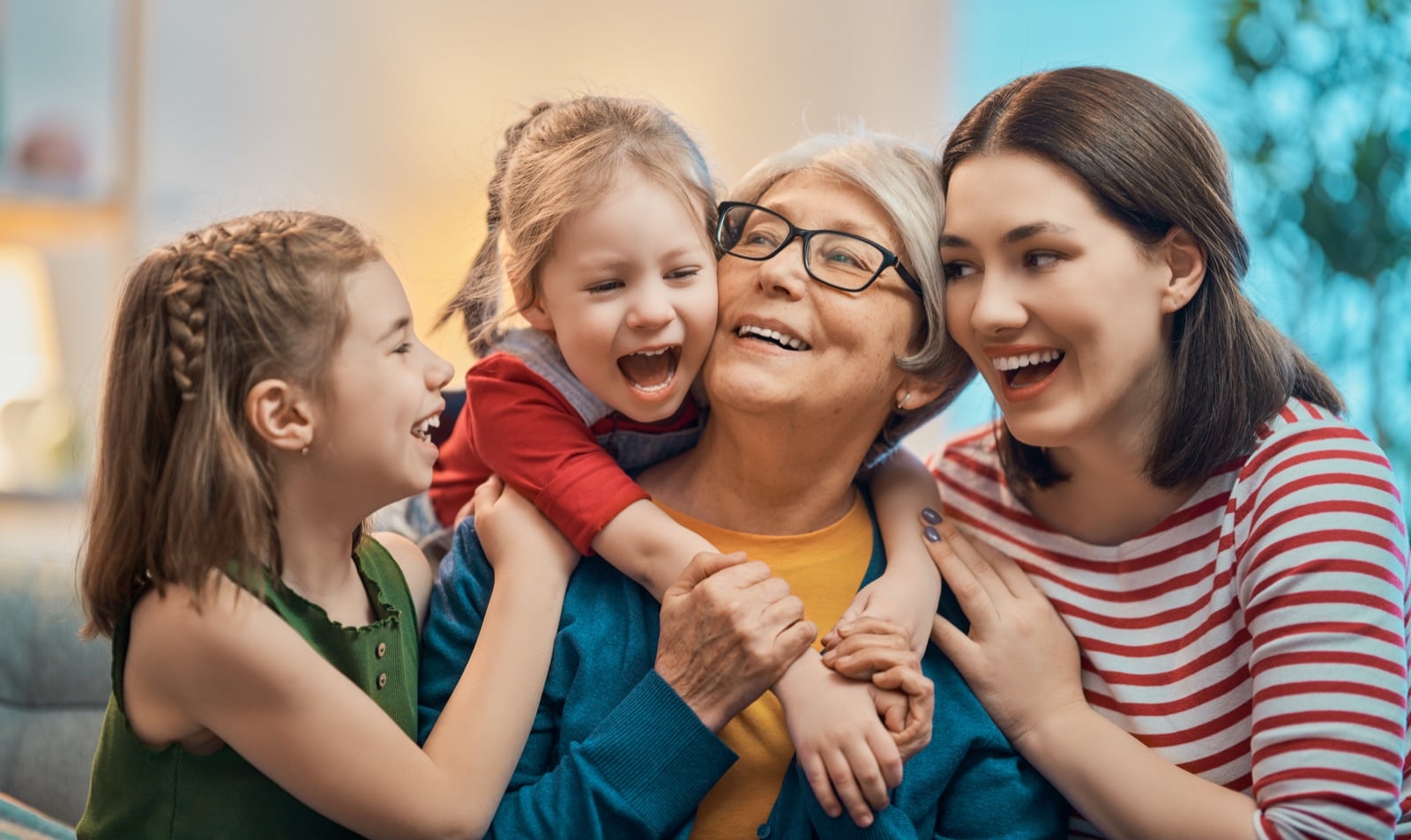
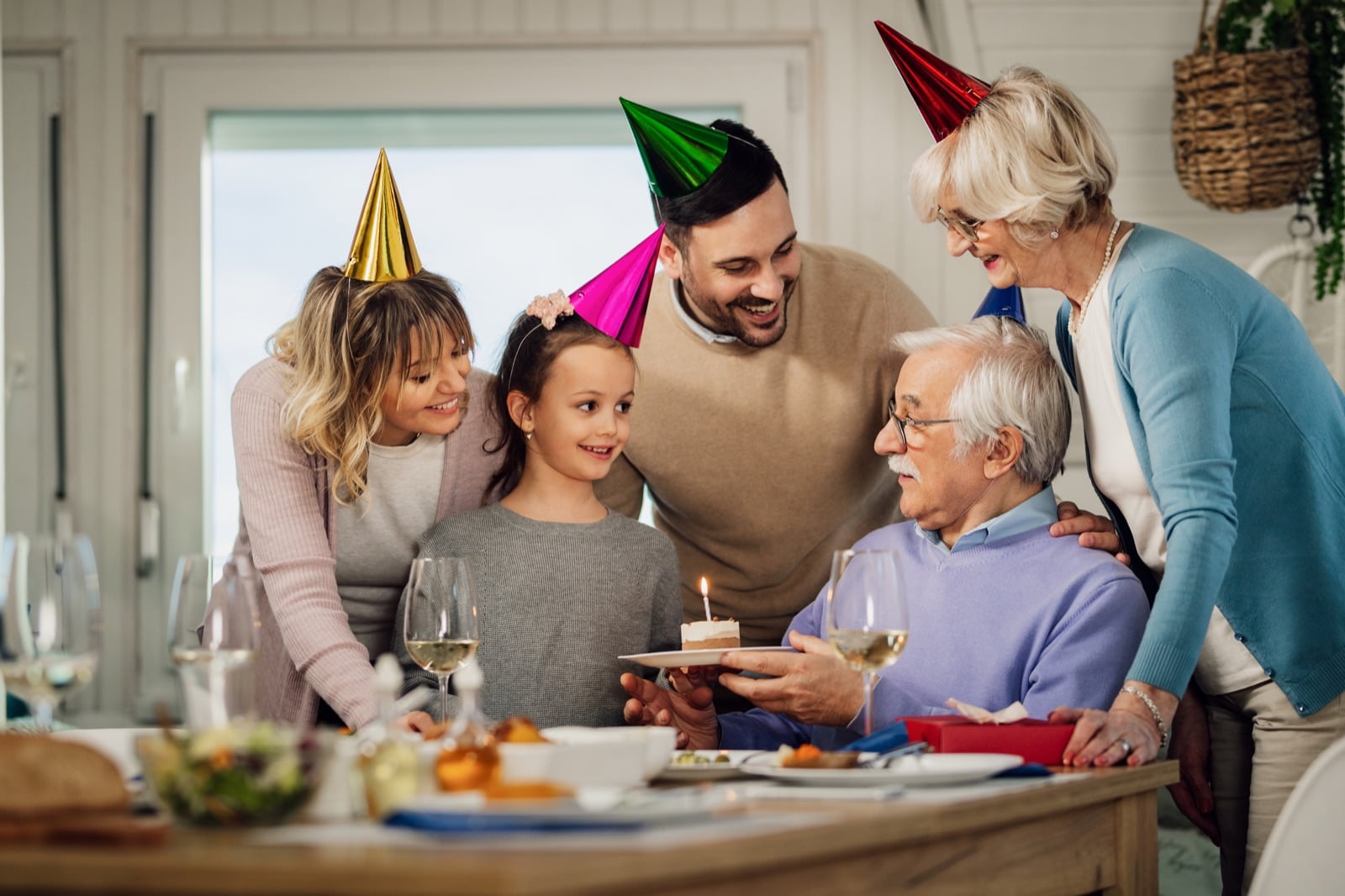
Grandparents and relatives are a priceless resource. Regular contact with Albanian-speaking family, in person or by video call, gives children real reasons to use the language. Community events, Albanian schools and cultural gatherings surround them with other Albanian speakers. And nothing accelerates a child’s Albanian like time spent in Albania or Kosovo with family, where the language is simply everywhere. A first trip to Albania or Kosovo is often the moment kids realize why the language matters.
Classes and Tutors
Many diaspora communities run weekend or after-school Albanian classes, and private tutors can help older children with reading, writing and grammar. These formal supports work best alongside, not instead of, speaking at home. Find language classes and tutors through our directory page on Albanian language classes. Run an Albanian school or tutoring service? Listoje falas në ALB Connection në mënyrë që familjet të mund t'ju gjejnë.
Be Patient and Consistent
Raising a bilingual child is a long game with ups and downs. Children may go through phases of resisting the minority language, especially once school makes English or the local language dominant. Staying consistent, keeping it positive, and never turning the language into a punishment are what carry families through. Progress that seems slow often shows up years later in a child who understands and can speak.
Gheg, Tosk or Standard: Which Albanian to Teach
Most Albanian American families speak Gheg at home, because most emigrated from Kosovo, Montenegro, North Macedonia and northern Albania, while the standard language taught in schools and used in books is based on Tosk, the southern dialect. Parents worry about this more than they need to. The dialects are mutually understood, children handle two registers of a language as easily as adults handle formal and informal English, and a child who grows up speaking grandmother’s Gheg will read standard Albanian with little trouble. The practical answer is to speak whatever the family speaks and to let books, songs and classes supply the standard. Our guide to Gheg versus Tosk explains the differences.
What Works at Each Age
| Age | What works | What to avoid |
|---|---|---|
| Birth to 3 | One parent or grandparent speaking only Albanian; lullabies and nursery rhymes; naming everything in the house | Switching to English when the child answers in English; the child understands more than they say |
| 3 to 6 | Picture books, Albanian cartoons and songs, video calls with relatives, cousins who speak it | Correcting every mistake; respond in Albanian and keep the conversation going |
| 6 deri në 10 | Learning the alphabet and reading, weekend Albanian school, summers with family in Albania or Kosovo | Making it a chore; tie it to things the child already loves, football, cooking, music |
| 10 to 14 | Chat and texting with cousins, Albanian music and shows, a role at family events | Assuming it is too late; teenagers often reclaim the language when it connects to identity |
| 14 and up | Structured classes, trips without parents, reading news and books, helping younger siblings | Treating a heritage speaker like a beginner; build on what is already there |
Weekend Schools and Community Classes
The most reliable support outside the home is a weekend Albanian school, and most large communities have one, usually run by a church, mosque or cultural association. Classes in the New York area, Michigan, Connecticut, Massachusetts and Illinois are listed in our directory of Albanian language classes. Many follow the Abetare, the traditional Albanian primer, and prepare children for the reading and writing they will not get from conversation alone. The other great resource is the community itself: the parades, festivals and picnics in our kalendari i ngjarjeve are where children hear the language used by people who are not their parents, which is what convinces them it is real.
Books, Apps and Media That Help
| Burim | Age | Shënime |
|---|---|---|
| The Abetare | 5 and up | The traditional Albanian primer, sold by any Albanian bookshop and used by the weekend schools |
| Albanian children’s books | 2 and up | Folk tales, translated picture books and the works of Albanian children’s authors; order from Tirana or Prishtina bookshops that ship abroad |
| Albanian cartoons and children’s channels | 2 to 8 | Dubbed cartoons and Albanian-made shows on YouTube and streaming apps give daily exposure with no effort from parents |
| Language apps | 8 and up | Several general language apps include Albanian; useful for vocabulary, not a substitute for conversation |
| Muzikë | All ages | Folk songs for the youngest, Albanian pop for teenagers; lyrics are the easiest vocabulary there is |
| Video calls with family | All ages | The single most effective tool; a weekly call with a grandparent who speaks no English does more than any app |
Mistakes to Avoid
The parents who succeed at this tend to have avoided the same few traps. They did not wait for the child to ask, because children rarely ask for a language they do not already speak. They did not switch to English the first time the child answered in it, which is the moment most heritage languages are lost. They did not treat the language as homework, with drills and corrections, but as the way the family talks. And they did not give up at adolescence, when even fluent children go quiet in Albanian for a few years and then, usually, come back. The one thing that reliably does not work is guilt: children who are told they should speak Albanian for their grandparents’ sake learn to resent it, while children who speak it because it is how they talk to people they love keep it for life. The guide to growing up Albanian in America has more from the children’s side.
Above all, keep going. Every Albanian American adult who speaks the language was once a child who answered in English, and every one of them is grateful now to the parent who kept talking. If you are one of the many adults who understand Albanian but can’t speak it, see our guide for heritage speakers.
However you teach your kids Albanian, consistency at home matters more than any single method.
For mixed families, our guide to dating and marrying an Albanian covers language, faith and grandparents.
Lidhur me: Albanian TV you can stream in the US.
Pyetje të shpeshta
What is the best way to teach kids Albanian?
Speak it consistently at home from an early age, surround children with Albanian songs, stories and family, and reinforce it with books, classes and trips to Albania or Kosovo.
Is it too late to teach my older child Albanian?
No. Younger is easier, but older children and teens can learn well, especially with classes, family immersion and clear motivation tied to identity.
How do I teach Albanian if I am not fully fluent?
Use what you have consistently, lean on songs, books, media, relatives and classes, and learn alongside your child. Regular exposure matters more than perfect fluency.
Should I teach Gheg or Tosk?
Teach the variety your family speaks. Standard Albanian is based largely on Tosk, but children benefit from the living form of the language their family uses.
Mëso më shumë
Vazhdo me gjuha shqipe, fraza të zakonshme në shqip, dhe duke u rritur si shqiptar në Amerikë.
Burimet
- Bilingualism in children (Encyclopaedia Britannica)
- Gjuha shqipe (Enciklopedia Britanike)
- Wikipedia: Albanian language (dialects and the standard)

Autor: Dardanë Halimi
Dardanë Halimi është një shkrimtare dhe profesioniste e komunikimit me titull magjistër në Shkrim, Retorikë dhe Komunikim Teknik nga Universiteti James Madison. Puna e saj përqendrohet në tregimin e historive, përmbajtjen digjitale, arsimin e lartë dhe komunikimin strategjik, me përvojë në shkrimin për organizata akademike, jofitimprurëse dhe marketingu si në Shtetet e Bashkuara ashtu edhe në Kosovë.