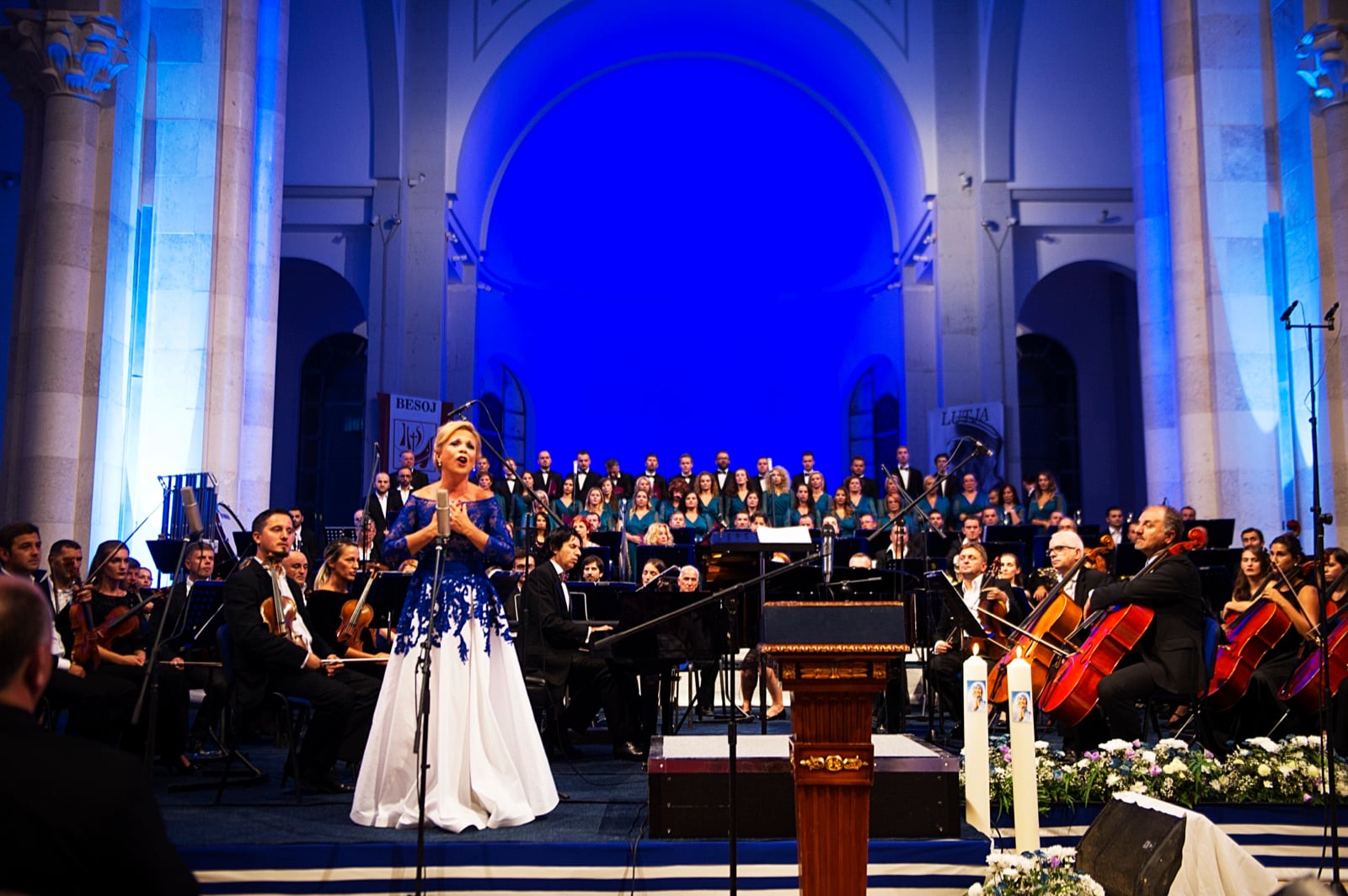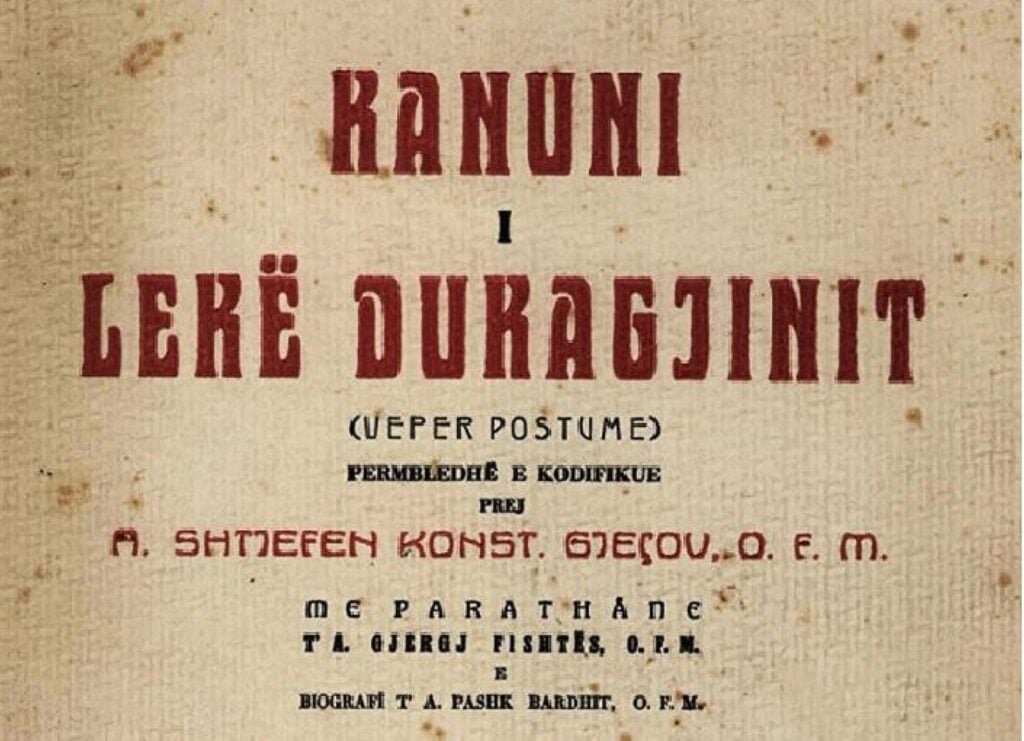

Pak tradita ligjore në botë janë aq të lashta, aq gjithëpërfshirëse ose aq të keqkuptuara sa Kanuni i Lekë Dukagjinit. Ky kod i së drejtës zakonore shqiptare, i zhvilluar në malësitë e Shqipërisë veriore gjatë shekujve, rregullonte pothuajse çdo aspekt të jetës: pronën, martesën, vrasjen, mikpritjen dhe detyrimet e shenjta të nderit. Ai nuk u shkrua kurrë nga krijuesi i tij i supozuar. Ai u transmetua gojarisht nga brezi në brez dhe u kodifikua vetëm në fillim të shekullit të 20-të. Dhe ende i referohet, dhe ndonjëherë ndiqet, sot.
Kanuni është një kod tradicional shqiptar i ligjeve zakonore që rregullonte jetën shoqërore në malësitë e Shqipërisë, i kodifikuar në fillim të shekullit të 20-të bazuar në traditat gojore që i atribuohen zotit të shekullit të 15-të, Lekë Dukagjini. Ai mbulon mikpritjen (besën dhe mikpritja), të drejtat pronësore, martesa dhe gjakmarrja (gjakmarrja). Ndërsa janë zëvendësuar kryesisht nga ligji modern, elementët e Kanunit, veçanërisht ata që lidhen me nderin dhe mikpritjen, mbeten me ndikim kulturor në Shqipëri dhe në diasporën shqiptare.
TLDR
- Kanuni është një kod ligjor zakonor shqiptar që i atribuohet zotit të shekullit të 15-të, Lekë Dukagjini.
- Ajo qeveriste pothuajse çdo aspekt të jetës së malësisë së Shqipërisë për shekuj me radhë.
- Elementi i saj më i diskutuar është gjakmarrja, e cila funksiononte sipas rregullave të rrepta.
- Kanuni gjithashtu sanksiononte një nga detyrimet më të forta të mikpritjes në botë.
- It was first written down, in installments from 1897 with a definitive edition in 1933, by Franciscan friar Shtjefen Gjecov
- Elementet e Kanunit mbeten me ndikim kulturor në Shqipëri dhe diasporë sot.
Në këtë faqe
- Çfarë është Kanuni?
- Struktura dhe Origjina e Kanunit
- Gjakmarrja: Gjakmarrja
- Besa: Premtimi i Shenjtë
- Mikpritja sipas Kanunit
- Kanuni Sot
- Blood Feuds Today
- Pyetje të shpeshta
Çfarë është Kanuni?
Kanuni (nga greqishtja) kanon, që do të thotë rregull ose normë) është një organ gjithëpërfshirës i së drejtës zakonore që rregullonte rendin shoqëror të komuniteteve malore shqiptare, veçanërisht në Shqipërinë veriore. Më së shpeshti shoqërohet me Lekë Dukagjinin, një fisnik dhe zot shqiptar i shekullit të 15-të, të cilit i atribuohet organizimi dhe sistematizimi i zakoneve ekzistuese në një kuadër ligjor koherent, megjithëse studiuesit vërejnë se vetë zakonet janë shumë më të hershme se ai.
The Kanun was an oral tradition for centuries, passed from elders to communities through memory and practice. It was first systematically written down, in installments published from 1897 onward and in a definitive edition in 1933, by Shtjefen Gjecov, një frat françeskan i cili mblodhi traditat gojore dhe i botoi ato. Rezultati është teksti të cilit i referohen studiuesit, juristët dhe antropologët modernë kur studiojnë të drejtën zakonore shqiptare.
The Kanun is not a single text but a family of regional customary codes. The Kanun of Leke Dukagjini is the best known, but others were recorded too, including the Kanun of Skënderbeu, published in 1993, and the Kanun of Labëria in the south (see the timeline below).
Struktura dhe Origjina e Kanunit
Kanuni është transmetuar gojarisht për shekuj me radhë përpara se të shkruhej ndonjëherë. Tradita ia atribuon atë Lekë Dukagjini, një fisnik shqiptar i shekullit të 15-të dhe bashkëkohës i Skënderbeu, megjithëse ai organizoi dhe kodifikoi zakonin ekzistues në vend që ta shpikte atë. Më në fund u mblodh dhe u botua në fillim të shekullit të 20-të nga prifti françeskan Shtjefën Gjeçovi.
Versioni më i njohur, Kanuni i Lekë Dukagjinit, është i organizuar në dymbëdhjetë libra që mbulojnë më shumë se një mijë artikuj, që merren me kishën, familjen, martesën, pronën, punën, nderin, dëmet dhe ligjin e gjakut. Ekzistonin edhe kode të tjera rajonale, duke përfshirë Kanunin e Skënderbeut dhe Kanunin e Labërisë në jug. Kanuni rregullonte jetën e përditshme më fuqishëm në malësitë veriore, në rajone si Malësia, Mirdita dhe Dukagjini, ku autoriteti osman ishte më i dobët dhe komunitetet qeverisnin vetë.
Gjakmarrja: Gjakmarrja
Elementi i Kanunit që tërheq më shumë vëmendje, veçanërisht në median dhe studimet perëndimore, është gjakmarrja, e njohur në shqip si gjakmarrje (“marrje gjaku”). Sipas Kanunit, një vrasje ose një çnderim i rëndë kundër një familjeje krijonte një detyrim për vrasje hakmarrëse, të rregulluar nga rregulla të rrepta se kush mund të ishte në shënjestër, kur dhe si.
These rules were not arbitrary. Under the code the feud was directed at the men of the offending family, while women were exempt and guests were protected, that the obligation could be suspended by besa (një armëpushim solemn) dhe se kishte procese formale për pajtim. Gjakmarrja ishte, në kontekstin e saj fillestar, një zëvendësim për institucionet ligjore shtetërore në një shoqëri që nuk kishte asnjë.
Blood feuds revived in northern Albania after the fall of communism in the early 1990s, when state institutions were weak. Albanian State Police figures cited by the UK Home Office show 45 murders initially classed as blood feud killings in 1998, falling to a handful a year by the mid-2000s. Reconciliation campaigns in Kosovo and Albania have worked to settle feuds between families, some spanning generations. The current picture is in Blood Feuds Today below.
Besa: Premtimi i Shenjtë
Ndër konceptet më të rëndësishme në Kanun është besa, shpesh përkthehet si “fjalë nderi” ose “premtim i shenjtë”.” Besa është një angazhim absolut: thyerja e besës është një nga turpet më të rënda në universin moral të Kanunit. Ai rregullon armëpushimet në gjakmarrje, detyrimet e mikpritjes dhe besueshmërinë e fjalës së një personi në çdo çështje serioze.
During World War II, Albanian families invoked besa to shelter Jewish refugees from the Nazi occupation, hiding them in their homes at enormous personal risk. Yad Vashem, Israel’s Holocaust memorial, notes that there were more Jews in Albania at the end of the war than before it began, and its exhibition on the rescue presents besa as the basis of the help they received. The story is documented in Yad Vashem’s exhibition Besa: A Code of Honor and in our article on Jews in Albania.
Mikpritja sipas Kanunit
Dispozitat e Kanunit për mikpritjen janë ndër më të shquarat. Sipas Kanunit, një mysafir në një shtëpi shqiptare është nën mbrojtjen e plotë të mikpritësit. Asnjë dëm nuk mund t'i ndodhë një mysafiri ndërsa ndodhet në shtëpinë e mikpritësit, edhe nëse mysafiri është armik gjaku. Dëmtimi i një mysafiri është ndër shkeljet më të rënda të Kanunit dhe në vetvete do të shkaktonte detyrime për gjakmarrje kundër familjes së mikpritësit.
Kjo traditë mikpritjeje, mikpritja, remains one of the defining characteristics of Albanian culture today, in Albania and in the diaspora. Many Albanians see the custom of welcoming guests generously as an inheritance with deep roots in the Kanun.
Kanuni Sot
Kanuni nuk ka asnjë bazë ligjore në Shqipërinë apo Kosovën moderne. Ligji shqiptar dhe ai i Kosovës ndjek kornizat ligjore evropiane. Por Kanuni mbetet me ndikim kulturor, veçanërisht në komunitetet veriore të Shqipërisë dhe në diasporë, ku konceptet e tij të nderit, mikpritjes dhe natyrës së shenjtë të premtimeve formësojnë pritjet shoqërore edhe midis njerëzve që nuk kanë lexuar kurrë asnjë fjalë të tekstit origjinal.
Gjeni burime kulturore dhe organizata komunitare shqiptare përmes Drejtoria e Lidhjes ALB. Bizneset shqiptare mund të paraqisni një listë për të arritur komunitetin.
From Spoken Custom to Printed Book: A Timeline
The written Kanun took decades to reach its final form. Albanologist Robert Elsie traced the path from Gjeçovi’s first printed excerpts to the translations that carried the code to readers abroad.
| Viti | Moment historik |
|---|---|
| 1897 to 1899 | First parts of Gjeçovi’s compilation appear in Albania, the periodical Faik Konica published in Brussels |
| 1913 to 1924 | Further installments run in the Shkodra periodical Hylli i Dritës |
| 1929 | Gjeçovi, born in 1874 in Janjeva, Kosovo, is murdered in Kosovo |
| 1933 | The definitive edition is published in Shkodra, four years after his death |
| 1941 | First translation, into Italian, by Father Pal Dodaj, published in Rome |
| 1953 to 1956 | German translation by Baroness Marie Amelie von Godin appears in the Stuttgart journal Zeitschrift für vergleichende Rechtswissenschaft |
| 1989 | Bilingual Albanian and English edition by Leonard Fox is published in New York |
| 1993 | The Kanun of Skanderbeg, codified by Frano Illia, is published |
Fox, an American, had studied the Gheg dialect in Munich with the writer Martin Camaj. He called the language of the Kanun notoriously difficult, in part because the same words carry many different meanings. Elsie credits his large bilingual edition with making the code known around the world. The code has also been translated into Croatian, Macedonian, and French.
The Twelve Books, One by One
Fox’s English edition divides the code into twelve books, which together hold 1,262 articles:
- Book 1: The Church
- Book 2: The Family
- Book 3: Marriage
- Book 4: House, Livestock and Property
- Book 5: Work
- Book 6: Transfer of Property
- Book 7: The Spoken Word
- Book 8: Honor
- Book 9: Damages
- Book 10: The Law Regarding Crimes
- Book 11: Judicial Law
- Book 12: Exemptions and Exceptions
Despite the code’s reputation, Elsie points out that most of its provisions deal with everyday property questions: neighbors who move boundary markers, sheep and goats that stray onto someone else’s land, and access to water in dry mountain country. Even the code’s reference to sworn virgins, the women known as burrnesha who took on a man’s role, sits in Book 12.
Scholars also read the text critically. Elsie doubted that Lekë Dukagjini had any direct link to the code and thought the name more likely came from the Dukagjin highlands east of Shkodra, where it was chiefly followed. He also suspected that Gjeçovi, himself a Franciscan, expanded the privileges the first book grants to the Catholic Church.
Foreign Observers in the Highlands
Much of what outsiders know about the Kanun in daily use comes from travelers of the early 1900s. Edith Durham (1863 to 1944) traveled through the northern highlands in 1908 and published High Albania the following year. Albanians called her Mbretëresha e Malësorëve, the Queen of the Highlanders.
The Austro-Hungarian scholar Baron Franz Nopcsa (1877 to 1933) gathered death records from Catholic mountain parishes and found that feuding had sharply reduced the male population of some tribes. Later, the scholar Margaret Hasluck (1885 to 1948) made her home in Elbasan for 13 years. Her study The Unwritten Law in Albania was published after her death, in 1954.
Reconciliation and the Numbers Since 1990
In Kosovo, a mass reconciliation campaign began in 1990 under the folklorist Anton Çetta (1920 to 1995). At large public gatherings, some of them held among Albanian Americans in the United States, his committee settled more than 900 feuds involving about 4,000 families, according to Elsie.
In Albania, the law now treats blood feud as an aggravated crime. Article 78/a of the Penal Code punishes a blood feud murder with at least 30 years in prison or a life sentence, and Article 83/a sets a three-year sentence for threatening revenge so seriously that a person is forced to stay shut in at home.
Police figures cited in the United Kingdom Home Office’s July 2024 country report show how far the numbers have fallen. Albanian State Police initially classed 45 murders as blood feud cases in 1998 and 41 in 1999. The figure was 5 in 2005 and has stayed at 2 or fewer each year from 2015 through 2022. In a 2021 report to the United Nations Committee against Torture, Albania’s government said 75 families were confined to their homes because of feuds. The Home Office concluded that sources generally agree blood feuds continue to decline.
Blood Feuds Today
The short answer: blood feuds still exist in Albania, but they are rare and declining. Official police figures show one or two suspected blood feud killings a year in recent years, against dozens a year in the late 1990s, and the cases are concentrated in the north. Numbers from different sources disagree sharply, so every figure below is labeled with its source and date.
Killings: the official figures
The Albanian State Police gave the UK Home Office the number of murders it initially assessed as blood feud related each year. Courts decide whether a killing was in fact a blood feud, so these are first assessments.
| Viti | Murders initially assessed as blood feud (Albanian State Police) |
|---|---|
| 1998 | 45 |
| 2001 | 32 |
| 2005 | 5 |
| 2010 | 5 |
| 2014 | 4 |
| 2015 | 0 |
| 2018 | 1 |
| 2020 | 1 |
| 2021 | 1 |
| 2022 (to the time of reporting) | 2 of 42 murders |
Burimi: UK Home Office, Country Policy and Information Note, Albania: Blood feuds, version 7.0 (July 2024), citing data from Albania’s General Directorate of State Police gathered on a 2022 fact-finding visit.
Not every count agrees. The Global Initiative Against Transnational Organized Crime reported in December 2021 that registered blood feud murders rose from 5 in 2017 to 7 in 2020, while the police and government figures show one case in each of those years.
Families living in isolation
The best-known effect of a feud is self-confinement: men and boys of a targeted family stay inside the house for fear of being killed. Estimates of how many families live this way vary widely:
- Government of Albania, report to the UN Committee against Torture (2021): 75 families, 159 people confined, 25 of them children.
- Albania’s Ombudsman (People’s Advocate), 2015 report: 60 isolated families, 145 people, 40 of them minors. The Ombudsman also warned that the available data on killings and isolation were unreliable and contradictory.
- NGO figures for 2018, cited by the Global Initiative: 704 families in blood feud nationally, 113 of them living abroad.
- Albania’s Ministry of Education (November 2022): no children recorded as missing school because of a blood feud, with the last such case around 2014.
All four are cited in the UK Home Office note. Much higher figures circulate in the press, often from activist groups. When the UN Special Rapporteur on extrajudicial executions, Philip Alston, visited Albania in February 2010, he said some civil society groups and media reports had clearly inflated the extent of blood feud killings, that the true numbers were closer to the government’s, and that official figures on isolated families and children were probably too low. He also found that the number of feuds had fallen over the previous five years.
Where and why feuds continue
The Home Office describes the people affected as a very small minority, mostly in the north, particularly in Shkodër and Dibër; Albanian government reports also name Lezhë and Kukës. Families who move to Tirana, Durrës or abroad can take a feud with them.
Two modern twists stand out. First, the Global Initiative reports that some criminal groups invoke the blood feud to give their violence a veneer of tradition. Second, fear of a feud has long been used in asylum claims abroad, and fake “blood feud certificates” were sold for money; after arrests in 2014, the law was changed so that only prosecution offices can confirm a feud, according to the same report. The Home Office says attestation letters from non-government organizations are unlikely to be reliable evidence.
The state response is now criminal law rather than custom: since 2013 the Penal Code punishes blood feud murder (Article 78/a), threats of revenge that force someone into isolation (Article 83/a) and incitement to blood feud (Article 83/b), as described in the section above. For the related code of honor, see What Is Besa?
Pyetje të shpeshta
Kush e shkroi Kanunin?
The Kanun is attributed to 15th-century Albanian lord Leke Dukagjini, but it was an oral tradition for centuries. It was first written down, in installments from 1897 with a definitive edition in 1933, by Franciscan friar Shtjefen Gjecov, whose compiled text is the version studied today.
A praktikohet ende gjakmarrja në Shqipëri?
Rarely. Blood feuds revived in northern Albania after communism fell in the early 1990s, but Albanian State Police figures cited by the UK Home Office show one or two suspected blood feud killings a year since 2015, compared with 45 in 1998. In 2021 the government reported 75 families living in isolation because of feuds. Cases are concentrated in the north, especially around Shkodër.
Çfarë do të thotë besa në Kanun?
Besa është një premtim i shenjtë ose fjalë nderi në kuadrin moral të Kanunit. Thyerja e besës konsiderohet si një nga turpet më të rënda të mundshme. Ajo rregullon armëpushimet, mikpritjen dhe besueshmërinë e çdo angazhimi serioz që një person merr.
Si ndikoi Kanuni në mikpritjen e shqiptarëve?
Kanuni e sanksiononte mikpritjen si një detyrim ligjor dhe moral, jo si mirësjellje. Një mysafir nën një çati shqiptare ishte absolutisht i mbrojtur. Kjo traditë mbijeton sot në vlerën kulturore shqiptare të mikpritjes, pritjes bujare dhe të pakushtëzuar të mysafirëve.
What does Kanun mean?
Kanun means “code” or “law.” The word comes from the Greek kanon, meaning rule or norm. In Albanian it refers to the customary laws of the northern highlands, above all the Kanun of Lekë Dukagjini.
Is the Kanun legal in Albania?
No. The Kanun has no legal force in Albania or Kosovo, which follow modern European-style law. Albania’s Penal Code treats blood feud killing as an aggravated crime punished by at least 30 years or life in prison.
Can I read the Kanun in English?
Yes. The standard English translation is Leonard Fox’s bilingual Albanian and English edition, published in New York in 1989, which divides the code into twelve books and 1,262 articles.
Lexime të Ngjashme
- Çfarë është Besa? Kodi i Nderit i Shqiptarëve
- Mikpritja Shqiptare (Mikpritja)
- Skënderbeu: Heroi Kombëtar i Shqipërisë
- Supersticionet dhe Besimet Popullore Shqiptare
- Hebrenjtë në Shqipëri: Shpëtimi gjatë Luftës së Dytë Botërore dhe Kodi i Besës
- Burrnesha: Albania’s Sworn Virgins
Burimet
- Robert Elsie: Northern Albanian Culture and the Kanun (paper given at the University of Leiden, 2012)
- UK Home Office: Country Policy and Information Note, Albania: Blood feuds, Version 7.0, July 2024
- UK Home Office: Country Policy and Information Note, Albania: Blood feuds, version 7.0 (accessible HTML version)
- UN News: UN rights expert sounds alarm over blood feuds and domestic violence in Albania (February 2010)
- Global Initiative Against Transnational Organized Crime: Blood feuds in Albania exploited by criminal groups (Risk Bulletin 11, December 2021)
- Yad Vashem: Besa, A Code of Honor (exhibition on Muslim Albanians who rescued Jews)
- Wikipedia: Kanun (Albania)
- Wikipedia: Edith Durham
- Wikipedia: Margaret Hasluck

Autor: Val Demiri
Valbona është redaktore dhe shkrimtare në ALB Connection, ku ajo mbulon njerëzit, bizneset dhe kulturën që formësojnë diasporën shqiptare. E diplomuar në gazetari në Universitetin e Ajovës, puna e saj përfshin profile të komunitetit, histori suksesi dhe reportazhe mbi jetën shqiptare në të gjithë SHBA-në, Evropën dhe më gjerë. Ajo tërhiqet nga historitë që festojnë arritjet e shqiptarëve dhe e mbajnë komunitetin të lidhur përtej kufijve.