
Petullat janë toptha brumi të skuqur të dashur nga Shqipëria, të artë, të butë dhe plotësisht problematikë. Të gjetura në tryezat e mëngjesit, në festat e fundvitit dhe në shitësit ambulantë në të gjithë Shqipërinë, këto ëmbëlsira të thjeshta janë një nga gjërat e para që fëmijët shqiptarë mësojnë t'i duan.
Preferoni të hani jashtë? Gjeni restorante shqiptare pranë jush, i kërkueshëm sipas qytetit ose kodit postar.
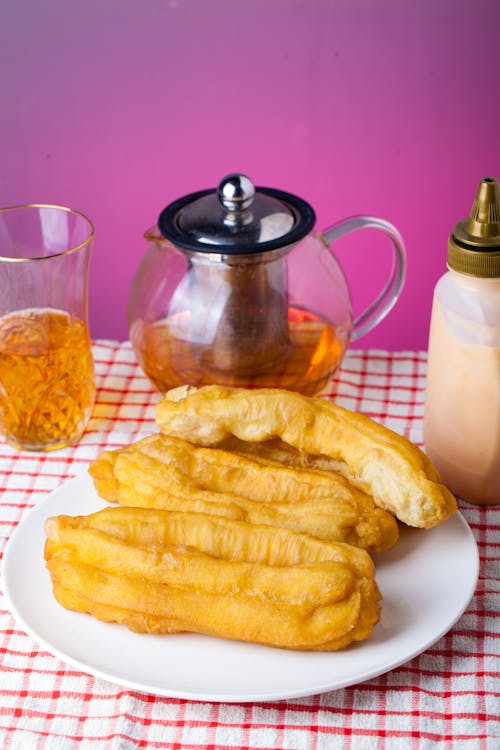
Petulla (Brumë i skuqur shqiptar)
Ingredients
Method
- Tretni majanë dhe sheqerin në ujë të ngrohtë. Lëreni të qëndrojë për 5-10 minuta derisa të bëhet shkumë.
- Në një tas të madh, kombinoni miellin dhe kripën. Hidhni përzierjen e majasë dhe vajin. Përzieni derisa të formohet një brumë i butë dhe ngjitës.
- Mbulojeni tasin me një peshqir të pastër dhe lëreni brumin të fryhet në një vend të ngrohtë për rreth 1 orë, ose derisa të dyfishohet në vëllim.
- Heat about 5 cm of vegetable oil in a deep pan to 350°F (175°C).
- Using two lightly oiled spoons, or barely damp hands, tear off pieces of dough and gently drop them into the hot oil. Keep water away from the pot, because it makes hot oil spatter.
- Skuqini për 2-3 minuta nga secila anë derisa të marrin ngjyrë kafe të artë.
- Hiqeni me një lugë të shpuar dhe kullojeni në peshqir letre.
- Shërbejeni të ngrohtë me sheqer pluhur, mjaltë, reçel ose djathë feta.
Notes
Historia e Petullës në kulturën shqiptare
Petulla are one of the simplest and best known foods in Albanian home cooking, part of a wide family of fried doughs found across the Balkans and the eastern Mediterranean. Wiktionary lists “petull” as a derived term of the Albanian word “petë,” meaning a layer or thin sheet of dough, the same word Albanian cooks use for the sheets in bakllava.
In Albanian households, petulla hold a special place in family life. They are a favorite for slow weekend mornings, when the kitchen fills with the comforting aroma of frying dough. They are an essential part of Albanian holiday celebrations, particularly during Dita e Verës (Summer Day, March 14) and New Year gatherings.
Street vendors across Tirana, Korçë, and other Albanian cities sell petulla from early morning carts, serving them hot with powdered sugar or a drizzle of honey. In the Albanian diaspora communities across the United States, from the Bronx to Metro Detroit, petulla remain a powerful connection to homeland flavors and family traditions.
Këshilla për të bërë petulla perfekte
Sekreti i petullës së lehtë dhe të ajrosur qëndron në disa teknika kyçe që kuzhinierët shqiptarë të shtëpisë i kanë përsosur ndër breza:
Aktivizimi i majasë: Make sure your yeast is fresh and the water is warm (not hot), around 110°F (43°C). The dough should double in size during rising, which takes about 1 hour in a warm place, as the card says. A cool kitchen can take longer, so go by the doubling.
Temperatura e vajit: Heat your frying oil to 350°F (175°C), the temperature in the card, and use a thermometer to hold it there. If the oil is too cool, the petulla absorb excess grease; too hot and they brown before cooking through. Test with a small piece of dough, it should sizzle immediately and float to the surface.
Konsistenca e brumit: The dough should be very soft and sticky, wetter than bread dough but thick enough to hold a rough shape when dropped into oil. Use damp hands, shaken well so no water drips, or two lightly oiled spoons to form the portions, because water that hits hot oil makes it spatter.
Mos e mbingarkoni tiganin: Fry 3-4 petulla at a time to maintain oil temperature. Turn them once they are golden on the bottom (2 to 3 minutes per side).
Variacione dhe Sugjerime për Servim
Familjet shqiptare e shërbejnë petullën në shumë mënyra të shijshme në varësi të rajonit dhe rastit:
Petulla e ëmbël: Spërkateni me sheqer pluhur, spërkateni me mjaltë ose shërbejeni së bashku me reçel të bërë në shtëpi (reçel). Reçeli i fikut dhe reçeli i petaleve të trëndafilit janë shoqëruese tradicionale shqiptare.
Petulla e shijshme me djathë feta: Mbushni ose lyejeni sipër me djathë të bardhë të thërrmuar (djathë i bardhë shqiptar i ngjashëm me djathin feta). Disa familje e palosin djathin direkt në brumë para se ta skuqin.
Petulla me mjaltë (me mjaltë): Kombinimi më klasik, petulla e ngrohtë e spërkatur me bollëk me mjaltë mali shqiptar.
Variacione të mbushura: Some cooks stuff petulla with spinach, cheese, cooked ground meat, or even Nutella for a modern twist that children love. Cook any ground meat filling to 160°F (71°C) before it goes into the dough, since the short fry will not cook it through.
Flatter petulla: Some cooks make a flatter, crispier petulla, closer to a fried flatbread, that goes well with bean soup (fasule).
Petulla in the Food References
TasteAtlas describes petulla as a traditional snack and the Albanian version of fried dough. Its summary lists flour, yeast, milk, eggs, sugar, salt and vegetable oil, and the same toppings as this recipe: powdered sugar, honey, jam or feta. The recipe card above is a leaner, water-based dough, and its notes offer the richer egg and yogurt option.
Wikipedia’s Albanian cuisine article adds that petulla can be made from wheat or buckwheat flour. Its overview of Kosovan cuisine counts petulla among the usual breakfast foods in Kosovo. Encyclopaedia Britannica’s entry on Kosovo singles out a close relative, llokuma, which it translates as “wedding doughnuts”: deep-fried dough puffs eaten with yogurt and garlic or with honey. Our guide to Mëngjesi shqiptar shows where petulla fit in the morning meal.
Fried Dough Relatives Around the Region
| Emri | Ku | How it differs |
|---|---|---|
| Petulla | Albania, Kosovo | Yeasted dough dropped into hot oil, with toppings such as powdered sugar, honey, jam or white cheese served on the side |
| Llokuma | Kosovë | Deep-fried dough puffs, eaten with yogurt and garlic or with honey (Britannica) |
| Lokma, loukoumades | Turkey, Greece, Cyprus | Yeast-leavened dough balls soaked in syrup or honey. The dish descends from luqmat al-qadi, described by al-Baghdadi in the 13th century |
| Mekitsa | Bulgaria (mekike in Serbia) | A kneaded dough made with yogurt and eggs, deep fried |
| Uštipci | Bosnia and Herzegovina, Croatia, Montenegro, North Macedonia, Serbia, Slovenia | The name comes from a verb meaning to pinch. Wikipedia calls the origin of the pastry unknown |
The Albanian Words: Petë, Petull, Brumë
Wiktionary’s Albanian entries tie the name to the kitchen. Petull is defined as a pancake, and it is listed as a derived term of petë, a word meaning layer or thin sheet. Albanian recipes use the same word for the thin sheets of dough in bakllava. Other words you will hear around the frying pan:
- Brumë: dough. Miell: flour. Vaj: oil.
- Tigan: frying pan.
- Mjaltë: honey. Reçel: jam.
- Djathë: cheese. See our guide to Djathë shqiptar for djathë i bardhë, the white cheese served with savory petulla.
US Measurements and a Frying Setup
The card is written in metric. In American measures, 500 g of all-purpose flour is about 4 cups, spooned and leveled, 350 ml of water is about 1 1/2 cups, and a 7 g packet of active dry yeast is 2 1/4 teaspoons. The 5 cm of oil is about 2 inches.
The USDA Food Safety and Inspection Service recommends a deep, heavy skillet or pot if you do not own a fryer. It advises against cast iron, which breaks oil down faster than other metals. Clip a deep-fry thermometer to the side so you can hold the 350°F (175°C) the recipe calls for. Every oil on the USDA’s list, including sunflower, corn, canola and peanut, has a smoke point of 410°F (210°C) or higher, comfortably above that temperature.
Hot Oil Safety for Petulla
The card suggests wet hands for handling the sticky dough. That works, but water and hot oil are a bad mix. The USDA warns that water hitting oil at about 350°F turns to steam instantly and makes the oil spatter. Shake your hands well so they are only damp, or use two lightly oiled spoons instead.
- Never leave the pot unattended.
- Lower the dough in close to the surface. Dropping it from a height splashes oil.
- Use a metal slotted spoon. The USDA notes that some plastic tools can melt in hot oil.
- If the oil catches fire, do not use water. Cover the pot with a metal lid or use a kitchen fire extinguisher, and call 911.
When you finish, take the pot off the heat and let the oil cool completely. The USDA suggests waiting about 2 hours. To reuse the oil, strain it through cheesecloth or a fine sieve and store it in a sealed, light-proof container for up to 3 months, in the refrigerator for best quality. Throw it out if it looks cloudy, foams, or smells or tastes off. Pour spent oil into a sealable container and put it in the trash. Do not pour it down the sink.
Working Ahead
For fresh petulla at breakfast, mix the dough the night before, cover the bowl and let it rise slowly in the refrigerator. Take it out while the oil heats. The dough should still look puffy and doubled, as the card describes, before you start frying.
Plain petulla keep like bread. Versions stuffed with cheese, meat or spinach are perishable: the USDA says leftover fried foods should be refrigerated within 2 hours, or within 1 hour when the temperature is above 90°F (32°C).
Pyetje të shpeshta
A mund të bëj petulla pa maja?
Yes, you can substitute baking powder for a quicker version, though the texture will be denser and less airy than the traditional yeasted petulla. That is a different dough from the one in the card, so follow a tested baking powder recipe instead of swapping it into this one.
Si ta ruaj petullën e mbetur?
Petulla are best eaten fresh, but plain ones keep in an airtight container for up to 2 days. Petulla filled with cheese, meat, or spinach are perishable and belong in the refrigerator within 2 hours. Reheat in a 350°F (175°C) oven for 5 minutes or in an air fryer for 2-3 minutes to restore crispiness.
Cili vaj është më i miri për skuqjen e petullës?
Sunflower oil or vegetable oil works best due to their high smoke points and neutral flavors. Olive oil gives a richer taste, and the USDA includes it among the oils recommended for deep frying, with a smoke point of about 410°F (210°C).
A janë petullat e njëjta me lukumadet?
Janë të ngjashme, të dyja janë toptha brumi të skuqur nga traditat mesdhetare/ballkanike. Lukumadët grekë kanë tendencë të jenë më të rrumbullakët dhe të zhytur në shurup mjalti, ndërsa petullat shqiptare kanë formë më të çrregullt dhe shërbehen me shtesa në anë.
Receta të Ngjashme Shqiptare
Nëse ju pëlqen petulla, eksploroni këto gatime të tjera të dashura shqiptare:
- Flija, Një tjetër ikonë gatim shqiptar, kjo tortë me krep me shtresa është një provë që duhet provuar patjetër
- Lakror, Një byrek i shijshëm me shtresa nga Shqipëria Jugore
- Pite me Djathë, Byrek me djathë shqiptar, një ushqim bazë për t’u ngushëlluar
- Bakllava, Albanian-style baklava with walnuts and lemon sugar syrup
- Kulaç me Kos, Bukë misri me kos, perfekte së bashku me petullën për mëngjes
Burimet
- TasteAtlas: Petulla
- Encyclopaedia Britannica: Kosovo, Cultural life
- Wikipedia: Lokma
- Wikipedia: Kuzhina Shqiptare
- Wiktionary: petë (Albanian entry)
- USDA Food Safety and Inspection Service: Deep Fat Frying and Food Safety

Autor: Dardanë Halimi
Dardanë Halimi është një shkrimtare dhe profesioniste e komunikimit me titull magjistër në Shkrim, Retorikë dhe Komunikim Teknik nga Universiteti James Madison. Puna e saj përqendrohet në tregimin e historive, përmbajtjen digjitale, arsimin e lartë dhe komunikimin strategjik, me përvojë në shkrimin për organizata akademike, jofitimprurëse dhe marketingu si në Shtetet e Bashkuara ashtu edhe në Kosovë.