The 20 Most Popular Foods in Albania
1. Byrek
Flaky phyllo pies filled with spinach, cheese, meat, leeks, or pumpkin. The most ubiquitous Albanian food, eaten any time of day. Try spinach byrek or meat byrek. Albania has no McDonald’s, so a slice of byrek is the real local fast food.2. Tavë Kosi
Albania’s national dish. Baked lamb in a yogurt-egg sauce that sets like a savory custard. Originated in Elbasan.3. Fërgesë
Tirana’s signature dish: peppers, tomatoes, garlic, and fresh cheese slow-cooked in a clay pot. Eaten with bread.4. Qofte
Hand-shaped Albanian meatballs of beef or lamb, grilled and served with raw onions, peppers, and bread.5. Pite
A simpler cousin of byrek, flaky phyllo filled with feta-like cheese. Often a breakfast food.6. Fasule
White bean soup with onion, paprika, and sometimes sausage. An everyday winter dish in many Albanian households.7. Tarator
Cold yogurt-cucumber soup with garlic and olive oil, sometimes with dill or walnuts. The summer answer to fasule.8. Bamje
Okra stew slow-cooked with tomatoes and lamb or beef. A staple of southern Albania.9. Speca me Gjizë
Bell peppers stuffed with fresh cheese, sometimes with herbs and rice. Baked until soft.10. Flija
Layered crepe pie cooked outdoors over a saç (a domed metal pan with hot coals on top). The traditional dish of northern Albania and Kosovo, served at celebrations.11. Japrak
Stuffed grape leaves with rice, herbs, and sometimes meat. The Albanian version of dolma.12. Lakror
Korçë’s signature flat pie. Thinner and more rustic than byrek, with seasonal fillings (greens, leeks, tomatoes).13. Pilaf me Pule
Albanian chicken and rice, buttery, slow-cooked, often served at weddings and family gatherings.14. Suxhuk
Spiced sausage, sometimes fresh and sometimes dried. The Albanian version is closer to a coarse, garlicky beef sausage.15. Burani
Spinach (or other greens) cooked with rice, often served with yogurt. Simple, comforting home cooking.16. Petulla
Fried dough rounds, served with honey, jam, or fresh cheese. The classic Albanian breakfast.17. Kulaç me Kos
Yogurt bread. Slightly tangy, soft, and perfect with cheese, stew, or jam.18. Baklava (Bakllava)
Layers of phyllo, walnuts, and sweet syrup. Served at Bajram (Eid), New Year’s, weddings, and other family celebrations.19. Trileçe
Three-milks cake topped with caramel. One of the most popular desserts in modern Albanian cafés, a Latin American idea (tres leches) that Albania adopted as its own.20. Qifqi
Rice balls from Gjirokastër, fried until crisp outside and soft inside. A southern Albanian specialty rarely found outside the region.Drinks You’ll Find on Every Albanian Table
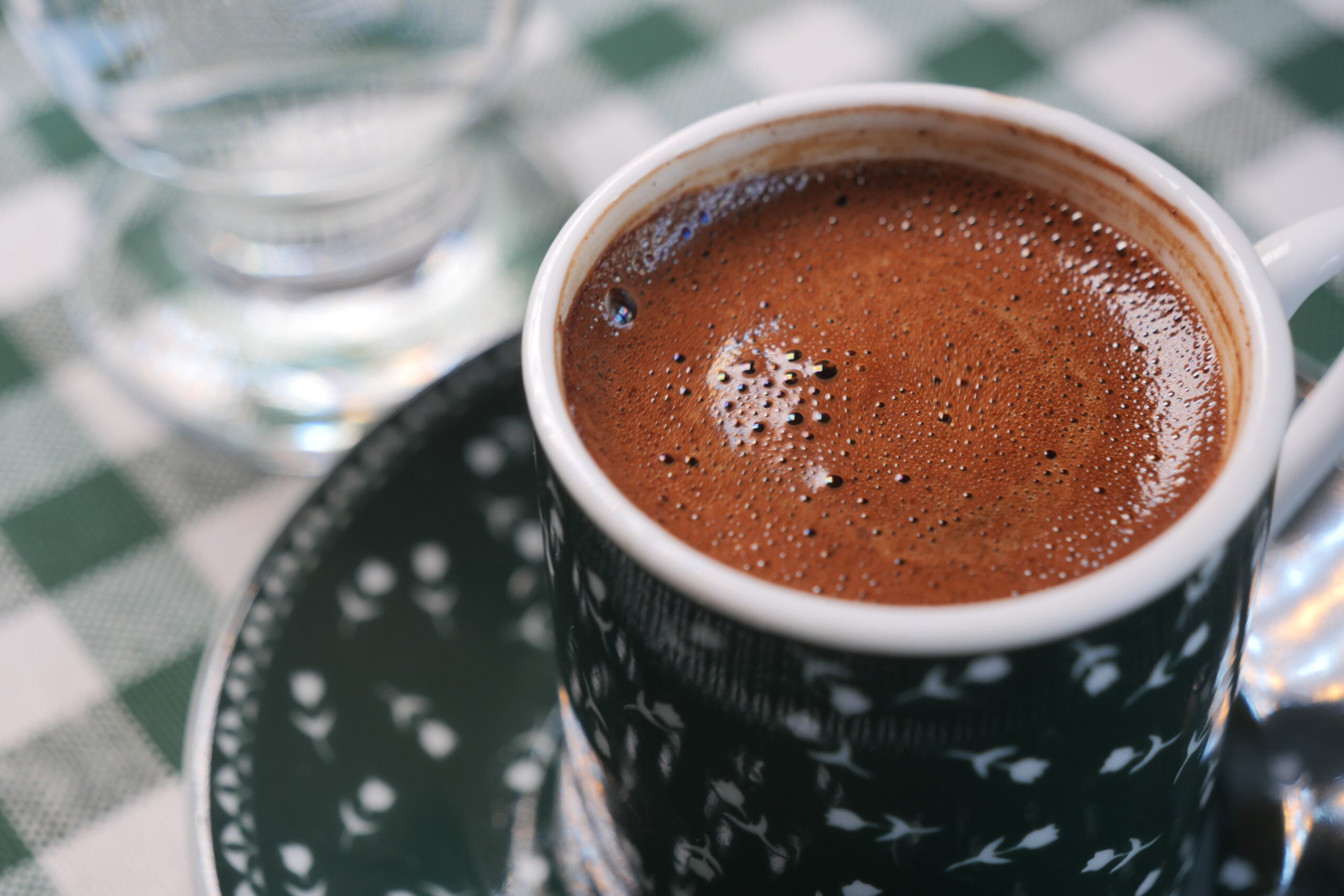
- Kafe turke, Turkish-style coffee, finely ground and brewed in a copper xhezve. The center of Albanian social life.
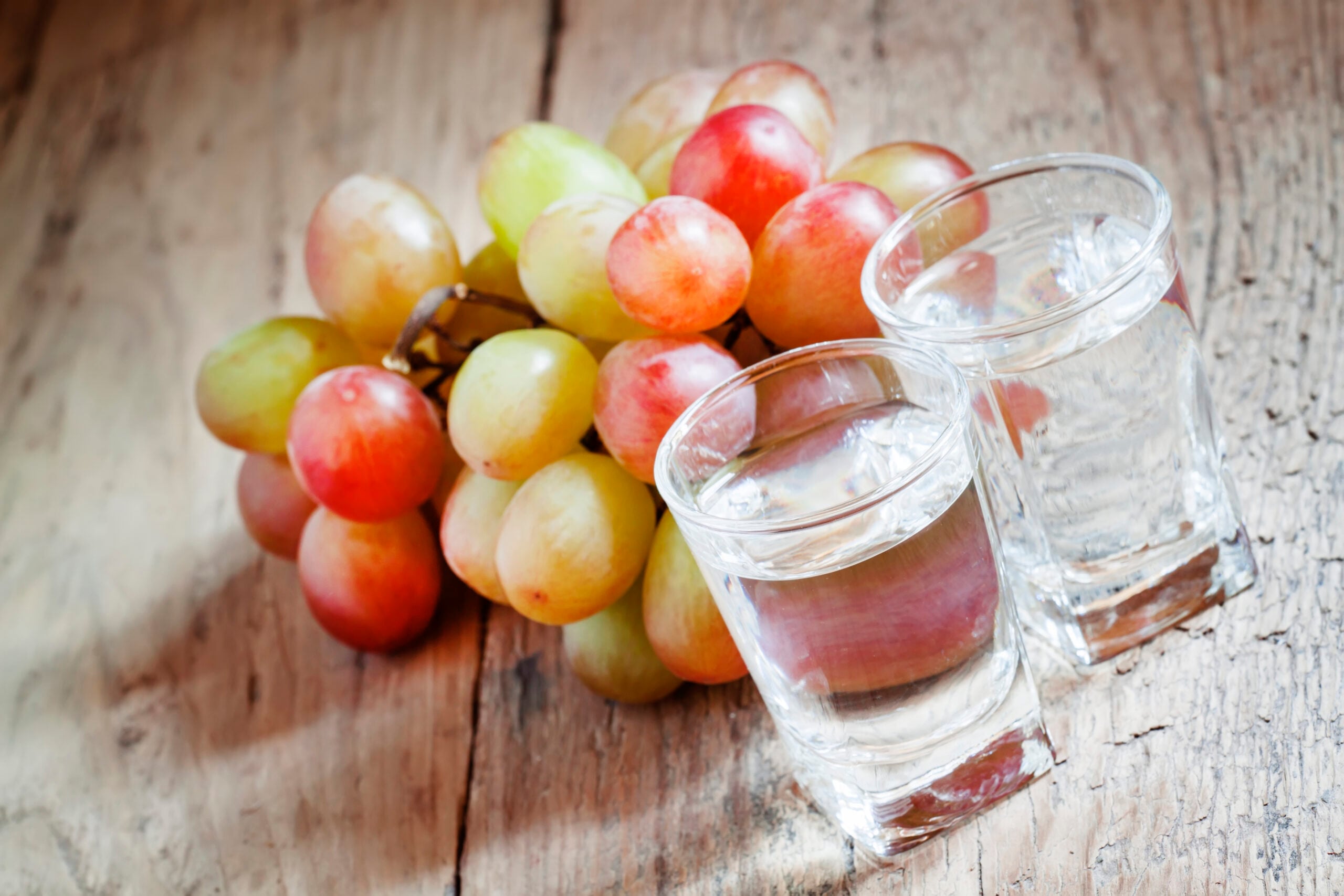
- Raki, Clear brandy distilled from grapes, often homemade. The traditional Albanian drink, often taken before a meal.
- Boza, Fermented grain drink, slightly thick and tangy. Less common than it used to be but still loved.
- Salep, A hot winter drink made from orchid root flour and milk. Sweet, warming, often served with cinnamon.
Regional Differences You’ll Notice
Albanian food varies more by region than you’d expect:- Northern Albania & Kosovo: More meat-heavy, more flija and cornbread (bukë misri), simpler seasoning. Influence from Ottoman and Slavic cuisines.
- Central Albania (Tirana, Elbasan, Durrës): Tavë kosi territory. Heavy yogurt use, slow-baked casseroles.
- Southern Albania (Vlorë, Sarandë, Gjirokastër): Greek and Italian influence, more seafood, olive oil, lighter dishes, qifqi, more pite variations.
- Diaspora kitchens (New York, Detroit, Italy): Recipes have evolved with what’s available. Italian-American Albanian fusion is its own thing.
How Albanian Food Compares to Greek, Turkish, and Balkan Cuisine
Albanians, Greeks, and Turks all eat byrek/borek, baklava, kebab, and stuffed vegetables, the shared Ottoman legacy. What sets Albanian cuisine apart:- More yogurt than Greek or Turkish cooking, in sauces, soups, marinades, and baked dishes.
- Less spice than Turkish or North Macedonian cooking. Salt, pepper, oregano, mint, paprika.
- Olive oil-forward in the south, butter-forward in the north.
- Signature dishes rarely found outside Albanian kitchens: tavë kosi, fërgesë, flija, qifqi.
- Albanian Food: The Complete Guide to Traditional Cuisine
- Albanian Breakfast: What Albanians Eat in the Morning
- Albanian Cheese: 8 Traditional Types
- Albanian Coffee Tradition: Culture, Ritual & How It’s Made
Where These Dishes Come From: A Region by Region Table
In 2020 Slow Food published an inventory of Albanian foods for its Ark of Taste, a catalogue of traditional products at risk of disappearing. The book was produced with the Italian organization VIS as part of a Food and Agriculture Organization of the United Nations (FAO) project with Albania’s agriculture ministry, and it records where each food is made, what goes into it and when it is eaten. The table below pulls together what that inventory says about foods on this list and a few that sit beside them on the Albanian table.
| Food | Home region named by Slow Food | Main ingredients | How and when it is eaten |
|---|---|---|---|
| Tavë kosi (Elbasani tava) | Cooked all over Albania, originates in Elbasan | Lamb, yogurt, eggs, butter, flour, a little rice | Baked, mainly eaten from mid-July to September, served lukewarm |
| Fërgesë | Central Albania: Tirana, Durrës, Kavajë, Shijak, Elbasan | Peppers, tomatoes, onion, garlic, gjizë or white cheese, olive oil | Slow-cooked and served warm, from spring to late autumn |
| Flija (fli) | North and northeast Albania, including Kukës | Thin flour batter, butter, cream | Baked layer by layer under a saç, 3 to 5 minutes per layer, eaten with yogurt, pickles, cheese, honey or jam |
| Qifqi | Gjirokastër | Cooked rice, eggs, dried mint | Fried in a special pan with four or seven round hollows, served with white cheese, yogurt or dhallë |
| Trahana | Eaten throughout Albania, especially Korçë County and the Myzeqe plain | Wheat flour or cracked wheat with yogurt (sour), milk (sweet) or tomato, pepper and onion (red) | Fermented 2 to 3 days, dried, then cooked into a thick soup with bread, butter or olive oil |
| Bukë misri (Kelmend cornbread) | Kelmend, Shkodër County | Corn flour and hot water | Traditionally baked about 45 minutes on a heated stone under an iron lid, best eaten warm |
| Byrek me presh | Belortaja, near Korçë | Local leeks, minced meat, rice, pastry | A pie built around the sweet Belortaja leek, harvested in October and November |
| Boza | Gora region, Kukës County | Millet (or white corn), water, sugar | A thick, sweet and sour drink of about 1 to 2 percent alcohol, mostly made in winter |
| Çaj mali (mountain tea) | Vlorë, Gjirokastër, Shkodër and Korçë counties | Flowers, leaves and stems of Sideritis raeseri | Harvested in July, dried in the shade, simmered a few minutes, often with honey and lemon |
Two details in that inventory are worth knowing before you cook. First, the name flija is said to come from the Albanian word for sacrifice, a nod to how long the dish takes. Second, qifqi has its own folklore: Slow Food records a tradition that the rice balls were made for women who had just given birth, and another that they began as a way to use pilaf left over from weddings. The pan is still made by tinsmiths in Gjirokastër.
Grilled Meat, Lake Fish and Other Dishes This List Leaves Out
A list of 20 cannot hold everything. Encyclopaedia Britannica’s entry on daily life in Albania describes a cuisine in which much of the cooking is meat and seafood, and names roasts, biftek (beef loin), qebaps (kebabs) and qofte among the most popular dishes. It also singles out a few foods that did not make our list:
- Kukurec: sheep intestines broiled on a spit, which Britannica calls a common entree in southern Albania.
- Carp and koran: Britannica names carp and the rare koran, a trout, as the preferred food fish. Slow Food’s inventory includes a carp casserole from Lake Shkodër among its traditional recipes, and notes that in Shkodër the dish is traditionally served with red Kallmet wine.
- Oshaf (hoshaf): Britannica describes it as a pudding of figs and sheep’s milk and a common dessert. Slow Food lists fruit versions too, including a black plum hoshaf from Tropojë.
- Jufka: handmade egg pasta from Dibër, baked in a wood oven with a free-range chicken (jufka dibre me pulë). Slow Food points to it as one of the old dishes that returning chefs have put back on restaurant menus.
Britannica also describes fërgesë Tirana as a hot dish of meat, peppers, eggs and tomatoes, while the recipe Slow Food collected from a Tirana chef is meatless and built on gjizë. The two descriptions differ, so check the menu if you do not eat meat.
Olive Oil, Wine and Mountain Tea: The Pantry Behind the Dishes
Much of what makes these dishes taste Albanian is grown close to the kitchen. Slow Food’s inventory gives a sense of scale for the olive oil: the Kalinjot olive, also called the Kaninë olive after the village in Vlorë County where it originated, covers 51 percent of Albania’s roughly 55,000 hectares of olive groves, and the Bardhë i Tiranës (white of Tirana) variety makes up 60 to 70 percent of the olive trees in western Albania. Near the castles of Petrelë and Prezë outside Tirana, the same source reports olive trees between 1,500 and 3,000 years old.
Wine has a long record as well. The inventory notes that the Roman naturalist Pliny described Albanian wine as very sweet, and that Kallmet, a red grape from the hills of Lezhë and Shkodër, was once used mainly for raki before growers turned it into wine. Britannica calls raki, a brandy distilled from grapes, the traditional Albanian drink and notes that it is often taken before a meal. Slow Food also lists raki made from mulberries in the village of Boboshticë in the Korçë area, and from cherry plums, cornelian cherries and wild blackberries.
Alongside coffee, many homes keep a jar of çaj mali, mountain tea. Slow Food describes it as one of the most popular herbal teas in the country, drunk daily and growing wild above 800 meters, and records that it was once served for breakfast with sliced bread and cheese in workplace and military canteens. Its main threat today is overharvesting: plants pulled up by the roots do not grow back the next season.
Why Some Traditional Foods Nearly Disappeared
Recent history explains why some of these foods are hard to find even inside Albania. In his foreword to the Slow Food inventory, Carlo Petrini writes that more than forty years of communist rule flattened the country’s tastes, so that a wide pastoral cheese tradition was reduced to two options, industrial white brined cheese or kaçkavall. The same book notes that after 1967 no private economic activity was allowed, even at the family level, and the state decided which crops each area would grow. One result was the loss of the old yellow corn varieties that gave Kelmend cornbread its flavor.
Several entries in the book also describe mountain villages emptied by emigration after the 1990s, which left fewer people to make foods such as trahana, boza and cornbread by hand. Slow Food reports that the turn came after the 2008 financial crisis, when Albanian chefs who had trained abroad came home and began cooking with local products and old recipes again, jufka among them. To taste this cooking without a flight, start with our list of Albanian restaurants near you.
Related: Suxhuk.
Frequently Asked Questions
What is the national dish of Albania?
Tavë kosi, baked lamb in a yogurt-egg sauce, is widely described as Albania’s national dish. It originated in the city of Elbasan, which is why it is also called Elbasani tava.
What’s the most popular Albanian street food?
Byrek. Small byrek shops (byrektore) and bakeries across Albania sell slices of it, usually with spinach, cheese, or meat filling, eaten with a yogurt drink.
What do Albanians eat for breakfast?
Petulla with honey or jam, byrek with yogurt, fresh cheese with bread and olives, or trileçe with Turkish coffee.
What’s the most popular Albanian dessert?
Trileçe (three-milks cake) is the dessert you will see most often in modern cafés. Baklava is the traditional holiday sweet.
Is Albanian food spicy?
No. Albanian food is mild compared to its Turkish and Macedonian neighbors. Black pepper, paprika, mint, and oregano are the main seasonings.
Does any Albanian food have protected status in the European Union?
Yes, one so far that we could confirm. The AGRINFO platform, which tracks EU food rules, lists Vaj Ulliri Valmi Elbasan, an olive oil from the Elbasan area, as a geographical indication approved for protection in the EU on 19 November 2025 under Regulation 2025/2172. A 2026 study in Frontiers in Sustainability counts about 17 products registered under Albania’s own national scheme.
What is Albanian mountain tea?
Çaj mali is a herbal tea made from the dried flowers, leaves and stems of Sideritis raeseri, a plant that grows wild above 800 meters. Slow Food records that it is harvested in July, dried in the shade and simmered for a few minutes, often with honey and lemon. It is drunk daily as an ordinary hot drink as well as a home remedy.
Is fërgesë made with meat?
It depends on the cook. Encyclopaedia Britannica describes fërgesë Tirana as a hot dish of meat, peppers, eggs and tomatoes. The recipe recorded by Slow Food from a Tirana chef has no meat and relies on peppers, tomatoes, onion, garlic and salted gjizë. If you do not eat meat, ask which version the kitchen makes.
Cook Albanian Food at Home
Browse our full collection of tested Albanian recipes with prep times, ingredient lists, and step-by-step instructions. And see our complete guide to Albanian food for the deeper history, regional traditions, and the cultural context behind every dish.Related reading: Albanian Pizza · Albanian Bread · What is Albanian Food?
Sources
- Slow Food: The Ark of Taste in Albania, food, knowledge and stories of gastronomic heritage (2020, PDF)
- Encyclopaedia Britannica: Albania, Daily life and social customs
- AGRINFO: Approved geographical indications for non-EU products in 2025
- Frontiers in Sustainability (2026): Assessing the potential of local food products for inclusion in geographical indication schemes, evidence from Albania

Author: Dardanë Halimi
Dardanë Halimi is a writer and communications professional with an M.A. in Writing, Rhetoric, and Technical Communication from James Madison University. Her work focuses on storytelling, digital content, higher education, and strategic communication, with experience writing for academic, nonprofit, and marketing organizations in both the United States and Kosovo.