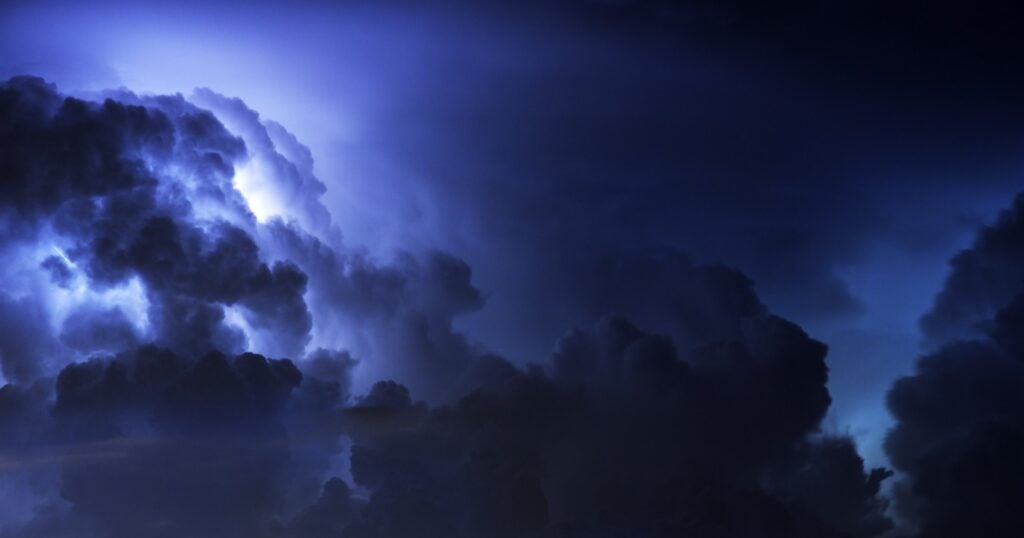

In Albanian mythology, the drangue (also spelled drangoni; plural drangonj) is a winged, semi-divine hero, a protector of people and villages born with special powers. His eternal task is to battle the kulshedra, a monstrous fire-breathing serpent that brings storms, drought, and destruction. In Albanian folk belief, the thunderstorms that roll over the mountains are the drangue and the kulshedra fighting in the sky.
The drangue is one of the most important figures in Albanian mythology, a folk hero preserved for centuries in the oral tradition of the highlands. This guide explains what a drangue is, how one is born, the powers he holds, and his legendary war with the kulshedra.
Quick Facts: The Drangue
- Çfarë është: A winged, semi-divine protector hero of Albanian mythology
- Roli: Defends humans, crops, and villages against storms and evil
- Eternal enemy: The kulshedra, a destructive many-headed serpent or dragon
- Born with: A caul (a membrane over the head) and, in many tales, small wings under the arms
- Origjina: Pre-Christian Albanian folk belief, strongest in the northern highlands
Në këtë faqe
- What Is a Drangue?
- How a Drangue Is Born
- The Eternal Battle With the Kulshedra
- The Drangue in Albanian Culture
- Pyetje të shpeshta
What Is a Drangue?
The drangue is a heroic, semi-divine being in Albanian mythology, part human and part supernatural. He looks like an ordinary person but carries hidden powers and, in most versions of the legend, a pair of wings under his arms. The drangue is fundamentally a protector: he guards his community, its people, and its harvests against the forces of chaos and bad weather. Because his role is to defend rather than to harm, the drangue is one of the most beloved good figures in the Albanian folk tradition.
How a Drangue Is Born
According to tradition, a drangue is born, not made. The signs appear at birth:
- He is born wrapped in a caul (the amniotic membrane), long considered a mark of supernatural destiny.
- He often has small wings under his arms, and sometimes is said to be born with additional bones or other unusual signs of strength.
- His power can be tied to the caul itself. In some tales, the drangue’s mother must protect the caul, because if it is lost or revealed, the drangue may lose his strength.
Drangue were believed to be rare, and a village lucky enough to have one was thought to be protected from the worst of the storms.
The Eternal Battle With the Kulshedra
The heart of the drangue legend is his endless war with the kulshedra (also spelled kuçedra), a giant serpent or dragon of Albanian mythology. The kulshedra is a creature of chaos: she brings drought, floods, and violent storms, and in the oldest legends she demands sacrifice from the people she torments.
When a storm gathers, folk belief held that the drangue was rising into the sky to do battle. The drangue fights the kulshedra with weapons drawn from the human world and the heavens alike: lightning bolts, meteoric stones, uprooted trees, and even plowshares and millstones hurled from the fields. The thunder is the sound of their clash, and the drangue’s victory brings the storm to an end and saves the harvest. This makes the drangue a classic storm-hero figure, and the kulshedra the chaos-serpent he must forever defeat.
The Drangue in Albanian Culture
The drangue belongs to the pre-Christian layer of Albanian belief, preserved in the oral folklore of the mountains long after Christianity and Islam arrived. Scholars note that the drangue-versus-kulshedra story mirrors an ancient Indo-European motif, the storm god who battles a chaos serpent, giving the Albanian tradition a place in the wider mythology of Europe.
The image of the fearless, winged protector also blended into how Albanians pictured their real-life heroes. The bravery and near-superhuman reputation of figures like Skënderbeu were sometimes described in the language of the drangue. Alongside stories like the legjenda e Kalasë së Rozafës and beliefs recorded in our guide to Albanian superstitions, the drangue is part of the rich mythological world that shaped Albanian identity.
Drangue and Kulshedra at a Glance
| Drangue | Kulshedra | |
|---|---|---|
| Çfarë është | A winged, semi-divine hero born to protect people | A many-headed serpent-dragon that brings drought and storms |
| Born as | A human child, marked at birth by a caul or small wings | A bolla, a serpent that becomes a kulshedra after many years unseen |
| Weapons | Lightning, thunderbolts, uprooted trees, boulders, and the cradle he was rocked in | Fire, floods, hurricane winds and a poisonous milk that dries the land |
| Weakness | Cannot be killed by ordinary weapons; may die if his wings are cut | Defeated only by a drangue, and only for a time |
| What it stands for | Order, the protection of the community, the storm as a battle | Chaos, drought and natural disaster |
Where the Legend Was Recorded
Drangue stories are strongest in northern Albania and Kosovo, the Gheg-speaking highlands where the oral tradition of epic song survived longest. Folklorists writing in the late 19th and early 20th centuries, among them the Franciscan priests Shtjefën Gjeçovi and Bernardin Palaj, collected them alongside the customary law of the Kanun and the songs of the Frontier Warriors, the Kângë Kreshnikësh. The heroes of those songs are sometimes described as drangue themselves, which is why the figure sits at the meeting point of myth and epic. In the Tosk south the same creature is usually called a drangoi, and the serpent it fights is the kuçedra.
A Storm Myth Shared Across Europe
The drangue belongs to one of the oldest story patterns in the Indo-European world: a sky or storm hero who strikes down a serpent of chaos with lightning. Greek myth has Zeus against Typhon, Norse myth has Thor against the Midgard Serpent, Slavic myth has Perun against Veles, and the Rigveda has Indra against the dragon Vritra. The Albanian version keeps the pattern in an unusually pure form, because the battle is not a single founding event but something believed to recur with every summer thunderstorm. That link to living weather lore, rather than to a written epic, is what makes the Albanian material valuable to scholars of comparative mythology. For the other side of the story, read the companion piece on the kulshedra, publishing later this month, and for the wider world of Albanian legend, E Bukura e Dheut dhe guide to Albanian superstitions.
The Drangue in Modern Albania
The winged hero has had a second life in the Albanian imagination since the folklorists wrote him down. Poets of the National Awakening used the drangue as an image of the nation rising against its oppressors; the highland epics that feature him were canonized as national literature in the 20th century; and today the word is a favorite for anything strong and protective, from a rugby club to a brand of energy drink. Children in Kosovo and northern Albania still hear that a baby born with a caul is a drangue, and the storm that rolls over the Albanian Alps on a July afternoon is still, for anyone raised on the stories, the sound of the drangonj at war. The guide to Albanian superstitions covers the beliefs that surround birth and weather, and the Kanun describes the highland world the stories come from.
The pairing of the two figures is the key to both. A culture that lives on rain-fed fields and mountain springs turned the summer storm into a moral drama, with a hero on the side of the harvest and a monster on the side of the drought, and told it every year until the storm itself became the telling.
He is the reason the storm has a hero.
Pyetje të shpeshta
What is a drangue in Albanian mythology?
A drangue is a winged, semi-divine hero of Albanian folklore who protects people and villages from storms and evil. His main role is to battle the kulshedra, a destructive serpent, in the sky.
What is the difference between a drangue and a kulshedra?
The drangue is the heroic protector; the kulshedra is the monstrous serpent of chaos he fights. The drangue defends humans and crops, while the kulshedra brings storms, drought, and destruction.
How is a drangue born?
Tradition says a drangue is born with a caul (a membrane over the head) and often small wings under his arms. His power is sometimes linked to the caul, which must be protected.
Are thunderstorms connected to the drangue?
Yes. In Albanian folk belief, thunderstorms were understood as the drangue and the kulshedra fighting in the sky, with thunder as the sound of their battle.
Is the drangue good or evil?
The drangue is a good figure, a protector. He is one of the most positive beings in Albanian mythology, defending the community against the destructive kulshedra.
Lexime të Ngjashme
- Kulshedra: Gjarpri-Dragoi i Shqipërisë
- Legjenda e Kalasë së Rozafës
- Supersticionet dhe Besimet Popullore Shqiptare
- Skënderbeu: Heroi Kombëtar i Shqipërisë
- Nga janë shqiptarët?
Burimet

Autor: Val Demiri
Valbona është redaktore dhe shkrimtare në ALB Connection, ku ajo mbulon njerëzit, bizneset dhe kulturën që formësojnë diasporën shqiptare. E diplomuar në gazetari në Universitetin e Ajovës, puna e saj përfshin profile të komunitetit, histori suksesi dhe reportazhe mbi jetën shqiptare në të gjithë SHBA-në, Evropën dhe më gjerë. Ajo tërhiqet nga historitë që festojnë arritjet e shqiptarëve dhe e mbajnë komunitetin të lidhur përtej kufijve.