Kulaç me kos is a traditional Albanian bread made with yogurt that produces an incredibly tender, slightly tangy crumb. This easy-to-make bread needs no yeast and comes together in under an hour from start to finish.
Prefer to eat out? Find Albanian restaurants near you, searchable by city or ZIP code.
Kulaç me Kos (Albanian Yogurt Bread)
Ingredients
Method
- Preheat oven to 375°F (190°C). Grease a round baking pan or line a baking sheet with parchment paper.
- Beat the eggs in a large bowl and set aside about a tablespoon for brushing the top. Whisk the yogurt and melted butter into the rest until smooth.
- In a separate bowl, combine flour, baking soda, baking powder, and salt.
- Add the dry ingredients to the wet mixture and stir until just combined. Do not overmix, a few lumps are fine.
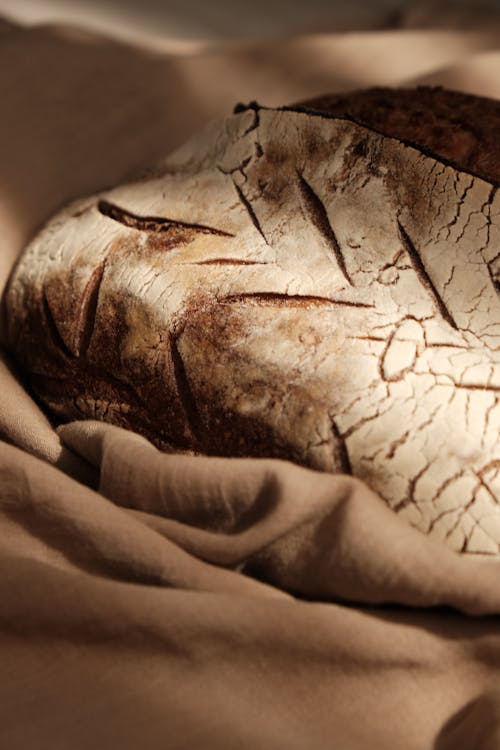
- Transfer the dough to the prepared pan and shape into a round loaf about 3 cm thick. Score the top with a knife in a cross pattern.
- Brush the top with the reserved beaten egg and sprinkle with sesame seeds if using.
- Bake for 30-35 minutes until golden brown and a toothpick inserted in the center comes out clean.
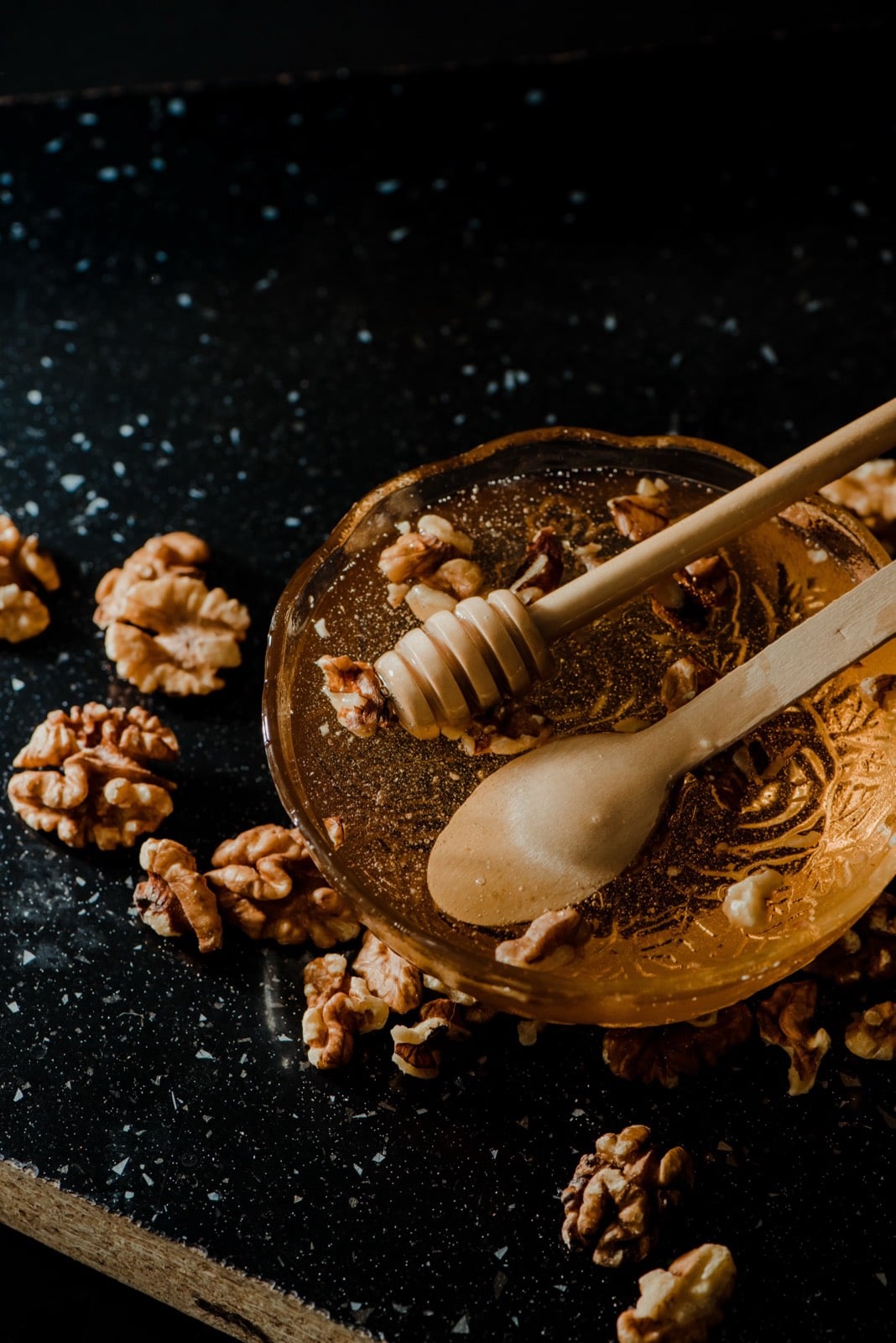
- Let cool for 5 minutes before slicing. Serve warm with butter and honey.
Notes
Kulaç me Kos: A Quick Albanian Yogurt Bread
Kulaç me kos (yogurt bread) is a simple, comforting Albanian quick bread, a round wheat flour loaf made tender and tangy by the addition of kos (Albanian yogurt). This versatile bread goes with everything from hearty bean soups to holiday spreads, and the recipe card serves it warm with butter and honey.
Kulaç is an old name for a simple round bread. A cornmeal variant is also recorded, but Albanian cornbread proper is bukë misri, a different loaf. The recipe on this page is the wheat flour kind, mixed in two bowls, shaped by hand, and baked right away.
The yogurt is what makes this loaf different from a plain soda bread. The yogurt adds moisture, tenderness, and a subtle tanginess to the wheat flour dough. Combined with eggs, melted butter, baking soda (which reacts with the yogurt for leavening), and baking powder, the result is a loaf that is moist, tender, and deeply satisfying.
Tips for Perfect Kulaç me Kos
Flour: Use all-purpose flour, as the recipe card does. Weigh it if you can: 400 g is about 3 1/4 cups spooned and leveled, and too much flour makes a dry loaf.
Yogurt: Full-fat plain yogurt gives the best results. The acidity is important for both flavor and leavening (it reacts with baking soda to make the bread rise). Don’t substitute flavored yogurt.
Mixing: Don’t overmix the dough, stir just until combined. Overmixing develops gluten and makes the bread tough rather than tender.
The right pan: Use a greased round baking pan or a baking sheet lined with parchment paper. The dough is shaped, not poured, so pat it into a round loaf about 3 cm (1 1/4 inches) thick and score a cross on top with a knife.
Baking: Bake at 375°F (190°C) for 30 to 35 minutes, until golden brown and a toothpick inserted in the center comes out clean. Have the oven fully preheated before you mix, because the dough should go in right away.
Egg wash: Brush the top with a little beaten egg before baking and sprinkle with sesame seeds if you like, this gives the loaf a golden sheen. Let it cool for 5 minutes before slicing.
Variations
Kulaç me kos (classic): All-purpose flour, yogurt, eggs, melted butter, baking soda, baking powder, and salt, the version in the recipe card.
Kulaç me djathë: Adding crumbled feta cheese to the dough creates a savory, cheesy bread, excellent with soups and stews.
Kulaç me spinaq: Finely chopped cooked spinach folded into the dough adds color and a subtle earthy flavor.
Bukë misri (cornbread): Not a version of this recipe but a different Albanian bread, made with cornmeal instead of wheat flour. It is denser than kulaç.
Sweet version: Adding a few tablespoons of sugar or honey transforms kulaç me kos into a dessert bread, delicious with butter and honey for breakfast.
What the Word Kulaç Means
Wiktionary’s Albanian entry defines kulaç as a type of round, unleavened bread, and more loosely as any round bread. It also records an ethnographic sense: a wheat bread given to children on the night before the Christmas supper. The same entry traces the word to a South Slavic source and compares it with Serbo-Croatian kolač, a type of cake or pastry.
In English it is usually called Albanian soda bread. Mimoza Tresova of Mimi’s Recipes calls kulaç a quick bread traditionally made in Albania, usually from flour, baking soda, salt, milk, oil and eggs. An Albanian-language recipe from AgroWeb uses the same short list: miell (flour), sodë buke (baking soda), kripë (salt), kos (yogurt) and vaj ulliri (olive oil).
The recipe card on this page is the wheat flour version, enriched with eggs and butter. The food travel site Food on the Move notes that kulaç is baked all over Albania and in Kosovo, and that a ceremonial relative is known as kolač in North Macedonia. It adds that the traditional dough had no leavening at all and was buried in the hearth under ashes and glowing embers, while some households today help it along with yogurt and a pinch of baking soda, as this recipe does. Our guide to Albanian bread covers the other members of the family.
Kulaç on the New Year Table: Përshesh
Kulaç is also an ingredient. Wikipedia’s article on Albanian cuisine describes gjel deti me përshesh, turkey with përshesh, as a common New Year’s dish in many Albanian families. The turkey is boiled and then roasted, and the përshesh is made by baking pieces of kulaç with turkey broth, mint and other spices. Mimi’s Recipes publishes a kulaç for exactly this job and says the bread is mostly used for the New Year’s Eve turkey stuffing. If you bake this loaf for stuffing, make it a day ahead so it dries out a little.
How Yogurt and Baking Soda Raise the Loaf
There is no yeast in the recipe card. The lift comes from baking soda reacting with the acid in the yogurt, with baking powder as a backup. That reaction starts the moment the wet and dry bowls meet, so a few habits matter:
- Have the oven preheated to 375°F (190°C) and the pan ready before you combine the two bowls, then shape, score and bake right away. Dough that sits on the counter loses lift.
- Check the dates on your baking soda and baking powder. Old leavening makes a flat, heavy loaf.
- Whisk the soda into the flour well. Pockets of undissolved soda taste soapy and leave brown specks.
- The card brushes the top with a little beaten egg. The easy way is to hold back about a tablespoon of the beaten eggs before mixing the dough.
For US measuring cups, 400 g of all-purpose flour is about 3 1/4 cups, spooned and leveled, and 250 g of yogurt is about 1 cup. A kitchen scale is more reliable, because scooped flour packs down and makes a dry dough. With Greek yogurt, which the card’s note suggests, expect a stiffer dough. A tablespoon or two of milk brings it together.
Albanian Kitchen Words for This Recipe
| English | Albanian | Where it appears in the recipe |
|---|---|---|
| Flour | miell | 400 g all-purpose flour |
| Yogurt | kos | 250 g plain, full-fat |
| Egg | vezë | 2 in the dough, a little for brushing |
| Butter | gjalpë | 3 tbsp, melted |
| Baking soda | sodë buke | 1 tsp, the main leavening |
Keeping the Loaf Safe and Fresh
Let the bread cool completely before wrapping it, because a warm loaf sealed in plastic traps steam and encourages mold. If you see mold, the USDA Food Safety and Inspection Service says bread and baked goods should be discarded, not trimmed, because porous foods can be contaminated below the surface. For longer keeping, slice the loaf and freeze the slices. Leftover slices are good toasted for an Albanian breakfast with white cheese and olives.
Frequently Asked Questions
Is kulaç me kos a cornbread?
No. The kulaç me kos in this recipe is a wheat flour quick bread made with yogurt and raised with baking soda and baking powder, so it is closer to a soda bread than to American cornbread. It contains no cornmeal and no sugar. Albanian cornbread is a separate bread called bukë misri.
Can I use buttermilk instead of yogurt?
Buttermilk is a reasonable substitute that provides similar acidity and tenderness. Buttermilk is thinner than yogurt, so start with a little less than the 250 g the recipe calls for and add more only if the dough is too dry to shape.
What do Albanians eat with kulaç me kos?
Fasule (white bean soup) is a classic pairing, the bread is used to soak up the rich broth. It also accompanies bamje (okra stew), fërgesë, and grilled meats. For breakfast, serve it warm with butter and honey, as the recipe card suggests.
How do I store kulaç me kos?
This bread is best eaten fresh on the day it is made. Once it has cooled completely, wrap leftovers in foil or plastic wrap and store at room temperature for 2 to 3 days. It also freezes well for up to 2 months. Reheat in a 300°F (150°C) oven for 10 minutes to refresh.
Related Albanian Recipes
Pair kulaç me kos with these traditional Albanian dishes:
- Fasule, White bean soup, a classic companion for this bread
- Fërgesë, Baked peppers and tomatoes with cheese
- Bamje, Albanian okra stew
- Petulla, Albanian fried dough for a different bread experience
- What is Albanian Food?, Complete guide to Albanian cuisine
Sources
- Wiktionary: kulaç (Albanian entry, definition and etymology)
- Food on the Move: Kulaç, Albania’s Unleavened Bread
- Mimi’s Recipes: Albanian Soda Bread for Stuffing (Kulaç për Përshesh)
- AgroWeb: Kulaç me Sodë Buke për Një Mëngjes Plot Shije dhe Aromë
- Wikipedia: Albanian cuisine (gjel deti me përshesh)
- USDA Food Safety and Inspection Service: Molds on Food: Are They Dangerous?

Author: Dardanë Halimi
Dardanë Halimi is a writer and communications professional with an M.A. in Writing, Rhetoric, and Technical Communication from James Madison University. Her work focuses on storytelling, digital content, higher education, and strategic communication, with experience writing for academic, nonprofit, and marketing organizations in both the United States and Kosovo.