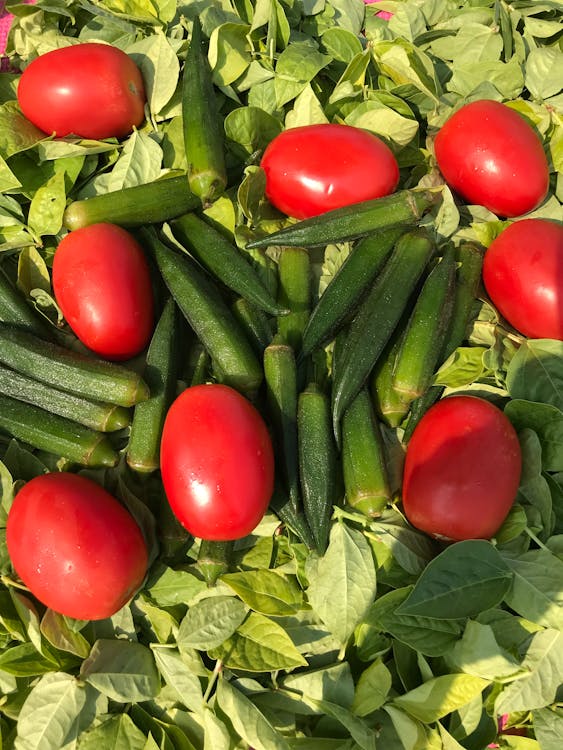
Bamje (pronounced roughly BAHM-yeh) is an Albanian stew of okra simmered with tomatoes, onion and olive oil, often with chunks of lamb or beef; the word bamje is simply Albanian for okra. This comforting dish is a summer and early fall favorite in Albania when fresh okra is abundant at markets and in home gardens across the country. The recipe below serves 4 and takes about 70 minutes, 20 of prep and 50 on the stove, and the meat is optional.
Prefer to eat out? Find Albanian restaurants near you, searchable by city or ZIP code.
Bamje (Albanian Okra Stew)
Ingredients
Method
- Trim the okra stems carefully without cutting into the pods. Toss with lemon juice and let sit for 15 minutes, this reduces sliminess.
- If using meat, heat 2 tbsp olive oil in a large pot over medium-high heat. Brown the meat on all sides, then remove and set aside.
- In the same pot, add remaining olive oil. Saute the onion until softened, about 5 minutes. Add garlic and cook for 1 minute.
- Add the okra and cook for 5-7 minutes, stirring gently, until lightly golden.
- Stir in tomato paste and paprika, cooking for 1 minute. Add crushed tomatoes, sugar, water, salt, and pepper.
- Return the meat to the pot if using. Bring to a simmer.
- Cover and cook on low heat for 40-45 minutes until the okra is tender and the sauce has thickened.
- Serve hot with rice or crusty bread and a dollop of yogurt.
Notes
Bamje: Albania’s Beloved Okra Stew
Bamje (Albanian okra stew) is a home-cooked summer dish in Albania, made when fresh okra is in season. This simple, nourishing stew of okra simmered with tomatoes, onions, and olive oil exemplifies the Albanian approach to cooking, let fresh, seasonal ingredients speak for themselves.
The Albanian word bamje comes from Ottoman Turkish bamya, which points to how the vegetable reached Albanian kitchens. Albanian bamje is seasoned simply. It relies primarily on the natural sweetness of ripe tomatoes, the mild grassiness of fresh okra, and generous amounts of good olive oil.
Bamje is everyday home cooking. It simmers on the stove for about 45 minutes and fills the kitchen with the warm aroma of tomatoes. For Albanian-Americans, it is an easy taste of home to cook, because okra is widely sold in US stores.
Tips for Perfect Bamje
Choosing okra: Select small to medium okra pods (2-3 inches long). Larger pods tend to be tough and fibrous. Fresh okra should snap cleanly when bent, if it bends without breaking, it’s too old.
Reducing sliminess: The biggest complaint about okra is its slippery texture. The recipe card reduces it by tossing the trimmed okra with the juice of one lemon, letting it sit for 15 minutes, and stirring gently during cooking. Patting the pods dry after the rest also helps.
Trimming: Carefully trim the stem end of each okra without cutting into the pod. Exposing the seed cavity releases more slime, so just shave the tough cap off.
The tomato base: The recipe card uses 400 g of crushed tomatoes, about one 14.5-ounce can, and good canned tomatoes work well all year. Add tomato paste for depth. The sauce should be thick and rich, not watery.
Low and slow: Cover and simmer on low heat for 40 to 45 minutes, until the okra is tender and the sauce has thickened. Don’t stir vigorously, gently shake the pot instead to avoid breaking the okra pods and releasing their mucilage.
Olive oil: Don’t skimp, the recipe card uses 3 tablespoons of olive oil, which enriches the sauce.
Variations
Bamje me mish: Adding chunks of lamb or beef transforms this from a side dish into a hearty main course. The meat simmers with the okra and tomatoes, creating a rich, savory stew.
Bamje me pulë: Chicken and okra stew, lighter than the lamb version. Cook the chicken until it reaches 165°F (74°C).
Baked bamje: Some Albanian cooks bake the okra stew in the oven instead of simmering on the stovetop, which gives the top a slightly caramelized finish.
Extra lemon: Some cooks add a little more lemon juice at the end for a brighter sauce, particularly refreshing in summer.
Frozen okra shortcut: When fresh okra is unavailable, frozen okra works acceptably. Don’t thaw before cooking, add frozen directly to the hot sauce.
The Word Bamje and the Road Okra Traveled
Bamje is simply the Albanian word for okra. Wiktionary’s Albanian entry traces it to Ottoman Turkish bamya, and in many cuisines from the Balkans to Iran the same word, in slightly different spellings, names both the vegetable and the stew.
The plant started much farther south. Its exact origin is uncertain, but according to Wikipedia’s article on okra, it originated in East Africa, in Ethiopia, Eritrea and eastern Sudan, and spread from Arabia around the shores of the Mediterranean and eastward. One of the earliest written accounts comes from Abu al-Abbas al-Nabati, who visited Egypt in 1216 and described local people eating the tender young pods. Wikipedia’s article on okra stew adds that, according to the food historian Gil Marks, okra is first attested in a 12th-century Egyptian recipe.
The same plant reached the Americas on ships of the Atlantic slave trade. It was recorded in Brazil by 1658 and was commonplace across the Southern United States by 1800, which is why okra is easy to find in American stores today.
How Albanian Bamje Compares With Its Neighbors
| Where | Local name | How it is made |
|---|---|---|
| Albania | Bamje, mish me bamje | Okra with lamb, beef or veal, onion, tomato and olive oil, seasoned simply. A Shqiptarja.com recipe uses mish viçi (veal), carrots, parsley and a little butter |
| Bosnia and Herzegovina | Bamija | Okra and veal, slow cooked until the meat is completely tender, made at all times of year |
| Turkey | Bamya, etli bamya | Sweet and sour, with lemon juice, olive oil and sugar. Sometimes served as a palate cleanser between courses at ceremonial feasts |
| Greece | Bamies laderes | Meatless okra cooked in oil; also made with chicken or meat |
| Egypt | Bamia | Okra stewed with lamb tendons, often with ta’aleya, an Egyptian garlic sauce |
| Iran | Khoresh-e bamiyeh | A stew served with rice. Southern versions add turmeric, vinegar, potatoes and red chili flakes |
The recipe card on this page echoes the Turkish style in one respect: it pairs lemon juice with half a teaspoon of sugar. Albanian-language recipes agree with the card on technique. The Shqiptarja.com version tells the cook to trim the stem ends so that the inner channels of the pod are not exposed, to layer the okra on top of the meat, and not to stir, because stirring damages the okra.
Buying Okra and Meat in the US
- Fresh okra: 500 g is about 1.1 pounds. Outside the South, the most reliable sources are farmers markets in summer and Indian, Middle Eastern, Caribbean and African groceries, which usually have the small pods this stew wants.
- Frozen okra: buy whole pods, not sliced. Sliced okra has every seed channel open and thickens the sauce far more. Middle Eastern groceries often stock very small whole frozen okra.
- Tomatoes: 400 g of crushed tomatoes is one standard 14.5-ounce can.
- Meat: for the card’s 40 to 45 minute simmer, choose lamb shoulder or beef chuck and cut it into small chunks, about 1 inch. Large cubes will not be tender in that time.
- Before cooking: after the lemon juice rest, blot the pods dry so they turn lightly golden in the oil, as the card describes, instead of steaming.
Storage, Freezing and Reheating
Bamje keeps well. The FoodSafety.gov cold storage chart gives soups and stews with vegetables or meat 3 to 4 days in the refrigerator and 2 to 3 months in the freezer. The freezer figure is about quality: food held at 0°F (-18°C) stays safe indefinitely.
USDA’s Food Safety and Inspection Service advises refrigerating leftovers within 2 hours of cooking and dividing large amounts into shallow containers so they cool quickly. Reheat leftovers to 165°F (74°C), and bring saucy dishes like this one to a rolling boil. USDA also says it is safe to reheat frozen leftovers without thawing them first. It just takes longer. Add a splash of water, and stir as little as possible. Serve it with fresh Albanian bread, or over the rice from our pilaf recipe.
Frequently Asked Questions
What is bamje made of?
Bamje is made of okra, tomatoes, onion, garlic and olive oil, often with lamb or beef. Our recipe card uses 500 g of fresh okra, 400 g of crushed tomatoes, tomato paste, paprika, lemon juice, a half teaspoon of sugar and, optionally, 300 g of lamb or beef.
Is bamje vegetarian?
It can be. Bamje is made both with meat (mish me bamje) and without it, and in our recipe the lamb or beef is optional; for a fully vegetarian stew, use water rather than meat broth.
How do I prevent slimy okra?
Toss the trimmed okra with lemon juice and let it sit for 15 minutes, pat it dry before cooking, and avoid cutting into the pods (just trim the caps). Cooking with acidic tomatoes and stirring as little as possible also help.
Can I use frozen okra?
Yes. Frozen okra is a convenient substitute when fresh is unavailable. Don’t thaw it first, add it directly to the sauce. The texture will be slightly softer than fresh but the flavor is good.
What do Albanians serve bamje with?
Bamje is served with crusty bread for soaking up the sauce, or over rice, often with a dollop of plain yogurt on top. A bowl of Albanian village salad on the side makes it a full summer meal.
Is bamje served hot or cold?
Albanian bamje is traditionally served warm, though it is also enjoyable at room temperature. Like many stews, it reheats well the next day. Refrigerate leftovers within 2 hours, use them within 3 to 4 days, and reheat to 165°F (74°C).
Related Albanian Recipes
Explore more Albanian stews and vegetable dishes:
- Fasule, Albanian white bean soup, the ultimate comfort food
- Fërgesë, Baked peppers and tomatoes with cheese
- Japrak, Stuffed grape leaves
- Burani, Spinach and yogurt side dish
- What is Albanian Food?, Complete guide to Albanian cuisine
Sources
- Wiktionary: bamje (Albanian entry)
- Wikipedia: Okra (origin and distribution)
- Wikipedia: Okra stew (history and regional variations)
- Shqiptarja.com: Mish me bamje nga zonja Albana
- FoodSafety.gov: Cold Food Storage Chart
- USDA Food Safety and Inspection Service: Leftovers and Food Safety

Author: Dardanë Halimi
Dardanë Halimi is a writer and communications professional with an M.A. in Writing, Rhetoric, and Technical Communication from James Madison University. Her work focuses on storytelling, digital content, higher education, and strategic communication, with experience writing for academic, nonprofit, and marketing organizations in both the United States and Kosovo.