Kungull i pjekur is a traditional Albanian dessert made from baked pumpkin slices sweetened with honey or sugar and topped with crushed walnuts. This simple, naturally sweet treat is an autumn and winter dessert that lets a few good ingredients speak for themselves.
Prefer to eat out? Find Albanian restaurants near you, searchable by city or ZIP code.

Kungull i Pjekur (Albanian Baked Pumpkin Dessert)
Ingredients
Method
- Preheat oven to 375°F (190°C). Line a baking dish with parchment paper.
- Peel the pumpkin, remove seeds, and cut into thick slices or wedges about 3 cm thick.
- Arrange the pumpkin slices in a single layer in the baking dish. Brush with melted butter.
- Drizzle honey over the pumpkin slices and sprinkle with cinnamon. Add water to the bottom of the dish.
- Cover with foil and bake for 30 minutes.
- Remove the foil, baste the pumpkin with the juices from the pan, and bake uncovered for another 15-20 minutes until caramelized and tender.
- Serve warm, topped with crushed walnuts and an extra drizzle of honey.
Notes
Kungull i Pjekur: A Traditional Albanian Autumn Dessert
Kungull i pjekur (baked pumpkin) is a traditional Albanian autumn dessert, a simple, naturally sweet preparation where thick slices of peeled pumpkin are baked with butter, cinnamon, and honey or sugar until caramelized and tender, then served with crushed walnuts. The ingredient list is short, and the oven does most of the work.
In Albania, this is a cold-weather dessert, made when winter squash is in season. It bakes for about 45 to 50 minutes and fills the house with a warm, caramelized aroma.
What makes Albanian baked pumpkin special is its restraint. Rather than drowning the pumpkin in sugar and spices, Albanian cooks let the natural sweetness of the squash shine through, adding just enough honey or sugar to enhance, not mask, the pumpkin’s earthy sweetness. Crushed walnuts provide textural contrast and a nutty richness that makes this simple dessert feel indulgent.
Tips for Perfect Kungull i Pjekur
Pumpkin selection: Use a dense, sweet variety like kabocha, butternut squash, or sugar pie pumpkin. Avoid large carving pumpkins, they are watery and flavorless.
Cutting: Peel the pumpkin, remove the seeds, and cut it into thick slices or wedges about 3 cm (1 1/4 inches) thick. Even slices finish cooking at the same time.
Covered, then uncovered: Bake at 375°F (190°C) under foil for 30 minutes, then remove the foil, baste with the pan juices, and bake 15 to 20 minutes more until tender and caramelized. The uncovered stretch concentrates the natural sugars and deepens the flavor.
Sweetening: Drizzle the honey (or sprinkle the sugar) over the slices before baking, along with the cinnamon, and pour the 100 ml of water into the bottom of the dish. An extra drizzle of honey at the table adds a glossy, floral sweetness.
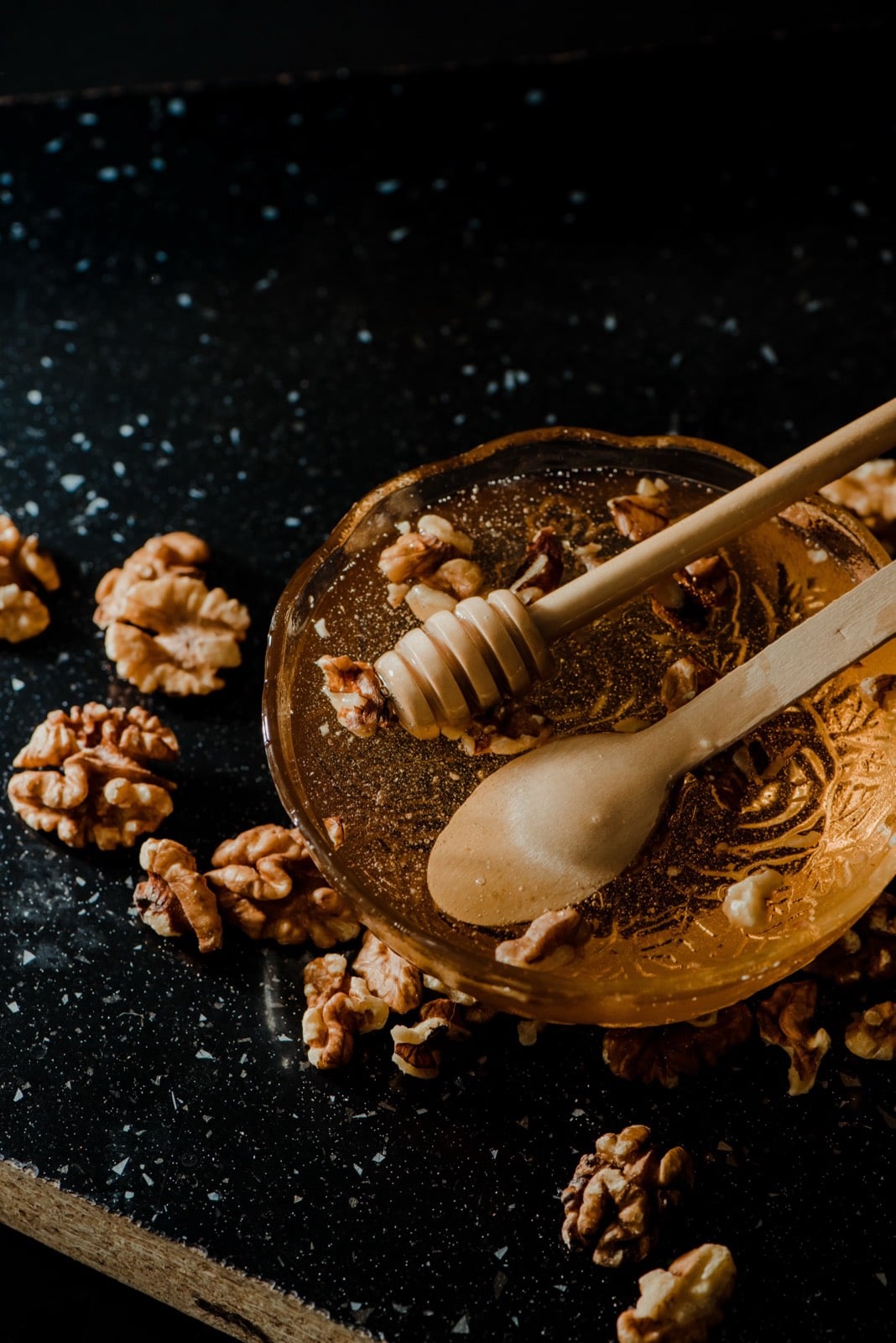
Walnuts: Coarsely crush (don’t finely chop) the walnuts and sprinkle over the hot pumpkin right before serving. The warmth releases the walnut oils and creates an irresistible aroma.
Variations
Kungull me mjaltë: Baked pumpkin drizzled generously with mountain honey, as in the recipe card.
Kungull me sheqer: Pumpkin baked with sugar sprinkled on top, creating a caramelized crust.
Kungull me arra dhe kanellë: Adding a pinch of ground cloves alongside the cinnamon in the recipe card gives a warmer, spicier flavor.
Kungull i skuqur: Pan-fried pumpkin slices, faster than baking but with a different texture. The slices are cooked in butter until golden, then dusted with sugar.
Modern presentation: Some Albanian restaurants serve baked pumpkin with a scoop of vanilla ice cream or a dollop of kaymak (clotted cream) for a more indulgent dessert.
A New World Squash in an Albanian Pan
The Albanian word kungull means pumpkin, and i pjekur means baked or roasted. The plant itself is not native to the Balkans. Pumpkins and winter squashes belong to the genus Cucurbita, which is native to the Andes and Mesoamerica and fed the native peoples of the Americas long before European contact. The earliest known depiction of these plants in Europe is in the Grandes Heures of Anne of Brittany, a prayer book painted between 1503 and 1508. Baked pumpkin with honey and walnuts could only take shape in Albanian kitchens after squash crossed the Atlantic.
Albanian home recipes for the dessert are short. One published by Shqiptarja.com lists only four ingredients: 1 kg of kungull dimri (winter squash), 300 ml of water, sheqer (sugar) to taste and arra të thërrmuara (crushed walnuts). The pieces bake under foil at 400°F (200°C) for an hour. The recipe card on this page follows the same idea, adding honey (mjaltë), butter (gjalpë) and cinnamon (kanellë).
Across the region, the closest relative of kungull i pjekur is Turkish kabak tatlısı, which Wikipedia describes as peeled pumpkin cooked in a spiced syrup until it is essentially candied, then topped with chopped walnuts, tahini or kaymak and eaten as a winter dessert. The version on this page is lighter: the squash is baked, not candied. For walnuts and syrup in full force, see our Albanian baklava recipe.
Which Squash to Buy in a US Supermarket
The recipe card calls for 1 kg of pumpkin or butternut squash, which is about 2.2 pounds. One medium butternut, usually 2 to 3 pounds whole, is enough. Choose one that feels heavy for its size, with hard, matte skin and no soft spots.
| Squash | Flavor and texture when baked | Peeling and prep | Verdict for this recipe |
|---|---|---|---|
| Butternut | Sweet, smooth, moist | Thin skin comes off with a sturdy vegetable peeler; seeds only in the round end | Best all-round choice, sold year-round |
| Kabocha | Very sweet, dense, drier, a little like chestnut | Hard, bumpy skin; cut into wedges first, then trim the skin with a knife | Excellent; baste well because it is drier |
| Sugar pie pumpkin | Mild, softer, a bit more fibrous | Easy to cut; peel wedges with a knife | Good in fall; may need the full 20 minutes uncovered |
Winter squash is hard and rolls on the board. Slice a thin piece off one side to make a flat base before cutting it up. Pre-cut butternut chunks also work, but small cubes cook faster, so check them early.
Common Mistakes and How to Avoid Them
- Uneven slices. Keep them close to the card’s 3 cm (about 1 1/4 inch) so they finish together.
- Skipping the foil. The covered 30 minutes steams the squash tender with the 100 ml of water. Without it the edges dry out before the centers are soft.
- Skipping the baste. When the foil comes off, spoon the honey and butter juices back over each slice. That glazes the top in the last 15 to 20 minutes.
Make-Ahead, Leftovers and a Note on Honey
The card’s notes say the pumpkin can be served cold as a make-ahead dessert. Bake it a day ahead, cool it, and refrigerate it in a covered container. USDA’s Food Safety and Inspection Service advises refrigerating cooked food within 2 hours, using leftovers within 3 to 4 days, and reheating leftovers to 165°F (74°C). Add the walnuts and the last drizzle of honey just before serving so the nuts stay crisp. Baked squash can be frozen, but the slices turn soft and watery once thawed.
One caution for families: the CDC says not to feed honey to a child younger than 1 year old, because honey can contain the bacteria that cause infant botulism. The card already allows sugar in place of honey, so use sugar on any portion meant for a baby. For a richer dessert on the same table, try trilecë.
Frequently Asked Questions
Can I use butternut squash instead of pumpkin?
Yes, the recipe card lists butternut squash as an alternative to pumpkin. Its dense, sweet flesh bakes beautifully and caramelizes well.
Is kungull i pjekur vegan?
Not as written, because the recipe card uses butter and honey. For a vegan version, the notes on the card suggest replacing the butter with olive oil and using maple syrup instead of honey.
When is this dessert traditionally served?
Primarily in autumn and winter when pumpkins are in season. It’s a comforting dessert on cold winter evenings.
How do I store leftover baked pumpkin?
Refrigerate within 2 hours in an airtight container and use within 3 to 4 days. Serve cold, or reheat in the oven until hot all the way through, 165°F (74°C). Add fresh walnuts and a new drizzle of honey before re-serving.
Related Albanian Recipes
Love Albanian desserts? Try these other sweet treats:
- Baklava, Albanian-style walnut baklava with honey syrup
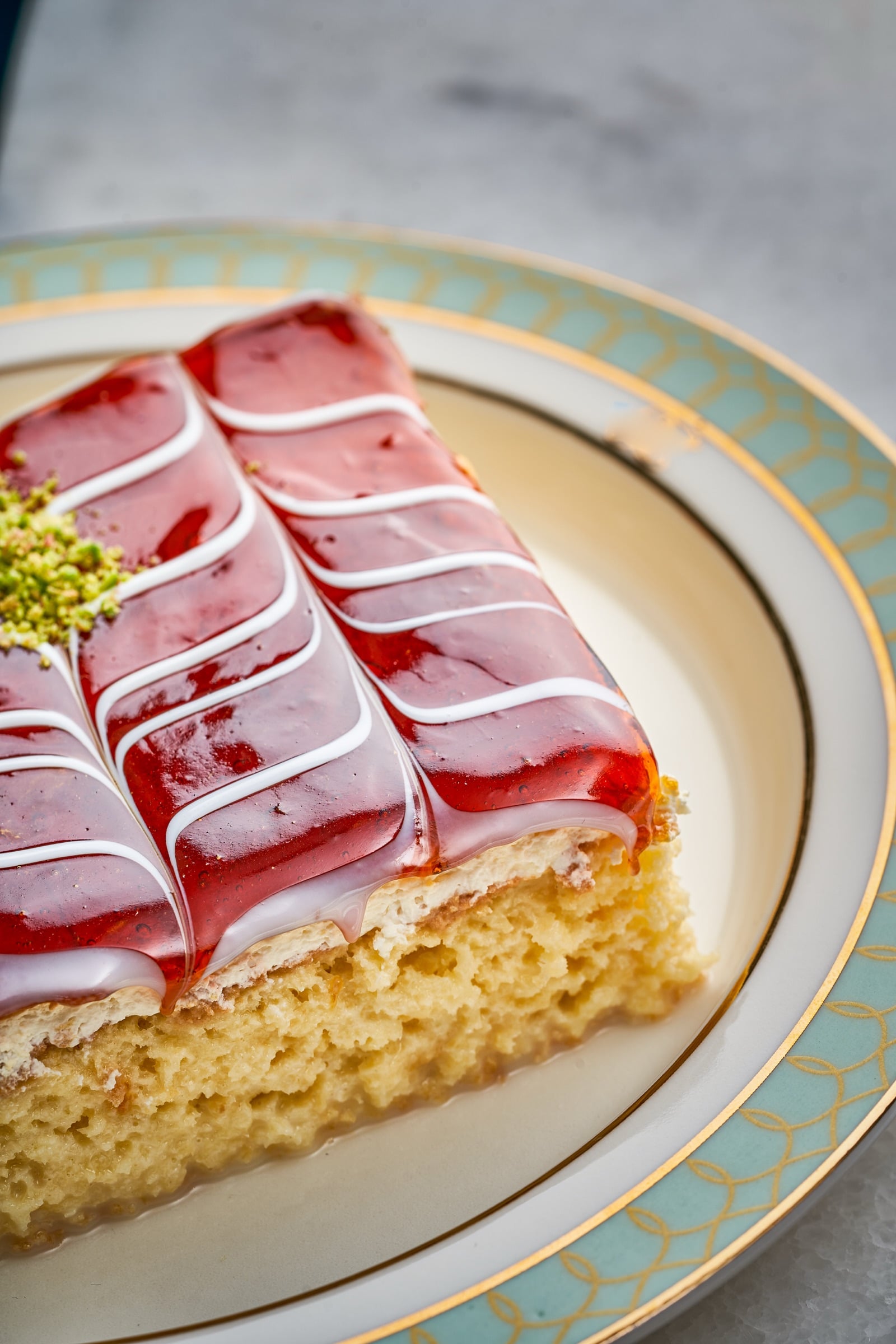
- Trilecë, Albania’s beloved three-milk cake
- Petulla, Fried dough balls with powdered sugar or honey
- Kulaç me Kos, Quick yogurt bread made with wheat flour
- What is Albanian Food?, Complete guide to Albanian cuisine
Sources
- Wikipedia: Cucurbita (origin and history of pumpkins and squashes)
- Shqiptarja.com: Kungull i pjekur me arra dhe sheqer nga zonja Albana
- Wikipedia: Kabak tatlısı
- USDA Food Safety and Inspection Service: Leftovers and Food Safety
- CDC: Botulism Prevention

Author: Dardanë Halimi
Dardanë Halimi is a writer and communications professional with an M.A. in Writing, Rhetoric, and Technical Communication from James Madison University. Her work focuses on storytelling, digital content, higher education, and strategic communication, with experience writing for academic, nonprofit, and marketing organizations in both the United States and Kosovo.