
This trahana recipe makes the sour Albanian kind, trahana e thartë: a stiff dough of wheat flour, yogurt and salt, fermented until it has grown three to four times, then dried and crumbled into small grains that keep all winter and cook in minutes into a thick, tangy breakfast soup. The dough ratio, 1 kg of flour to 500 ml of yogurt, and the 36-hour rise are the ones the Tirana daily Shqiptarja.com published in October 2022; the drying and cooking steps follow the Albanian food site Arti Gatimit.
Albanian trahana is its own thing. Greek trahanas is ground wheat boiled in soured fresh milk, Turkish tarhana adds cooked vegetables, yeast and spices, and the Albanian version is the plainest of the three: flour, yogurt, salt and time. It is the dish our Albanian breakfast guide calls the most distinctive thing on the traditional morning table. This page shows how to make it in a US kitchen, with the food-safety points a fermented, air-dried dough raises.
Quick Facts
- Albanian name: trahana (also trahanë). Sour trahana (e thartë) is made with yogurt, sweet trahana (e ëmbël) with milk, red trahana (e kuqe) with a puree of peppers and tomatoes.
- Dough: 1 kg soft wheat flour, 500 ml yogurt, 1 tablespoon salt; fermented about 36 hours until three to four times its size.
- Dried in the shade for 5 to 6 days after crumbling; stored dry, it lasts through the winter.
- Cooked: 80 g of dried trahana to 400 ml of water for two, simmered 3 to 4 minutes, finished with bread, butter and cheese.
- Food safety: never taste raw dough (FDA), use pasteurized-milk yogurt, dry covered and discard any mold, and always boil trahana before eating.
On This Page
- What Albanian Trahana Is
- Albanian Trahana vs Greek Trahanas vs Turkish Tarhana
- Ingredients
- Method
- Sweet, Red and Other Ways to Cook It
- Food Safety: Fermenting and Drying Dough at Home
- Buying Trahana in the US
- Frequently Asked Questions
What Albanian Trahana Is
Trahana is winter food made in warm weather. A July 2019 piece on Living.al with recipes by Dhurata Thanasi Daneri lists four kinds: trahana e thartë with yogurt, trahana e ëmbël with milk, trahana e kuqe with peppers and tomatoes, and, in Mallakastër and parts of Labëria, a version mixed with bone broth. It remembers the dish as the warm bowl with butter and cheese eaten on winter Sunday mornings; AgroWeb cooks it in milk and calls it especially good in winter, for breakfast or dinner.
Every Albanian source we opened uses the same method: flour and yogurt kneaded into a firm dough, left to sour, then broken up, dried and crumbled. Shqiptarja.com has the dough rise about 36 hours until it has grown three to four times; Arti Gatimit leaves it 4 to 5 days, stirring daily; the Swiss-Albanian outlet VOAL gives 2 to 3 days. Fermentation speed depends on the room, and the test all three agree on is the rise and the sour smell, not the clock.
Albanian Trahana vs Greek Trahanas vs Turkish Tarhana
The word travels across the Balkans and Anatolia, but the food changes. A 2013 review from the Agricultural University of Athens describes Greek trahanas as a summer product: fresh ewe’s or goat’s milk soured for some days, heated with ground wheat and salt at 3 or 4 parts milk to 1 of wheat, boiled, cooled, cut into finger-sized pieces and sun-dried. Cyprus’s Gastronomic Map (Department of Agriculture, 2022) defines trahanas as a dried fermented product of sour sheep’s or goat’s milk and wheat.
Turkish tarhana has a national standard. A 2026 paper in the Journal of Food Science and Technology quotes Turkish standard 2282: wheat flour or semolina kneaded with yogurt, vegetables, salt and spices, fermented, then dried and ground; both that paper and the Athens review give one to seven days of fermentation, and the Athens review names tomatoes, onions, peppers, baker’s yeast and mint or dill. Turkey’s Ministry of Culture and Tourism cooks the soup from 75 g of dry tarhana in 1,200 g of water, 10 minutes, with butter, mint and red pepper.
| Feature | Albanian trahana e thartë | Greek trahanas (sour) | Turkish tarhana |
|---|---|---|---|
| Grain | Wheat flour | Cracked or ground wheat | Wheat flour or semolina |
| Dairy | Yogurt (500 ml per kg flour) | Fresh sheep’s or goat’s milk soured for days, 3 or 4 parts milk to 1 wheat | Yogurt, about 1 part to 2 flour |
| Other ingredients | Salt only (peppers and tomatoes in the red version) | Salt; sometimes eggs | Cooked tomatoes, onions, peppers, baker’s yeast, mint or other spices |
| Fermentation | Kneaded dough rises about 36 hours (2 to 5 days in other recipes) | Milk sours first; mixture is then boiled with the wheat | Dough ferments 1 to 7 days |
| Shape when dry | Small crumbled grains, sieved | Finger-sized pieces, sun-dried | Dried and ground to a powder or coarse crumbs |
| Source | Shqiptarja.com; Arti Gatimit; VOAL | Agricultural University of Athens review (2013); Cyprus Gastronomic Map | TSE 2282 via J Food Sci Technol (2026); Turkish Ministry of Culture and Tourism |
Ingredients
The first three ingredients make about 1.4 kg of dried trahana; the rest cook two servings. Metric first, US measures in parentheses.
- 1 kg soft wheat flour, type 00 or all-purpose (2.2 lb, about 8 cups), for making the trahana
- 500 ml plain whole-milk yogurt (2 cups), traditionally sheep’s milk yogurt; use yogurt made from pasteurized milk
- 1 tablespoon salt, for the dough
- 80 g dried trahana (about 1/2 cup), for cooking 2 servings
- 400 ml water (1 2/3 cups), for cooking
- 1 tablespoon butter or olive oil, for serving
- 2 slices of bread, toasted and cut into small cubes (2 to 3 slices)
- Salt, crumbled white cheese and ground red pepper, to taste, for serving
The flour, yogurt and rise are from Shqiptarja.com (soft type 00 flour, homemade sheep’s yogurt or old trahana as starter); the salt proportion is Arti Gatimit‘s (2 tablespoons for 2 kg of flour) and matches VOAL‘s milk version; the cooking amounts are from Arti Gatimit. The dried yield is our estimate.
Method
- Make the dough. Sift the flour into a large bowl and make a well in the center. Stir the salt into the yogurt, pour it into the well, and knead until you have a firm, uniform dough with no dry flour left. Do not taste the raw dough.
- Ferment. Dust a deep bowl with flour, put the dough in, dust the top with more flour and cover with a clean cotton cloth. Leave it in a cool, dark place for about 36 hours, until it has risen to three to four times its size and smells clearly sour.
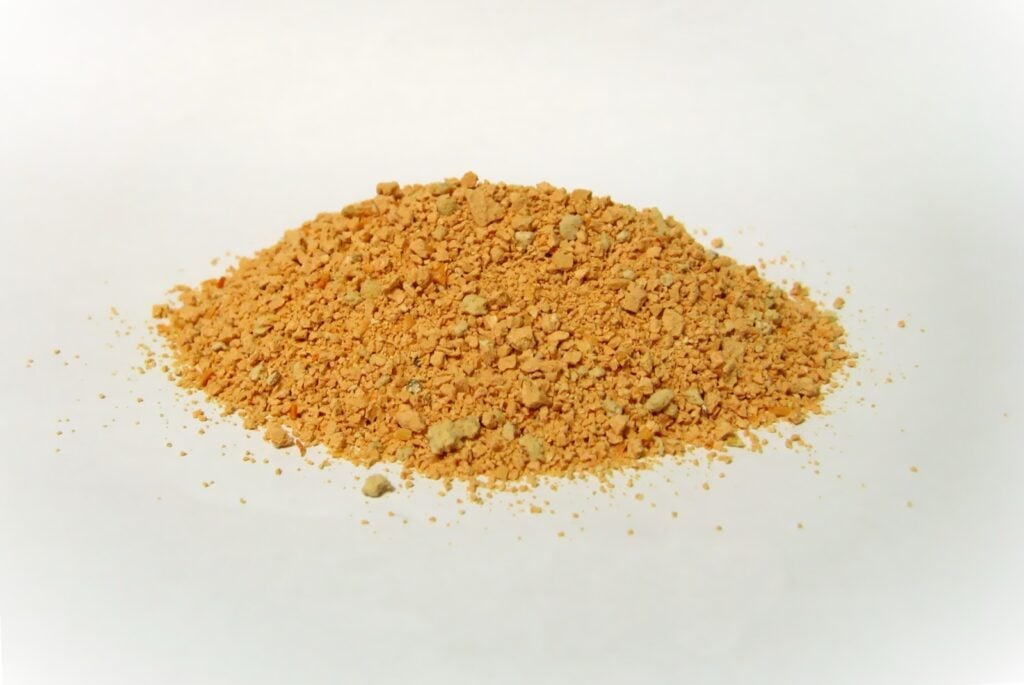
- Break it up. Tear the risen dough into pieces on a clean cloth or on trays and leave them for 2 to 3 hours until the surface is dry enough to handle. Crumble the pieces between your fingers and push them through a coarse sieve so you get small, even grains.
- Dry. Spread the grains in a thin layer on cloth-lined trays and leave them for 5 to 6 days in a shaded, airy, dry place, stirring once a day, until they are hard, light and completely dry all the way through. Keep them covered with a fine cloth or screen and bring the trays indoors at night.
- Store. Once fully dry and cooled, pack the trahana into an airtight container or jar and keep it in a cool, dark, dry place. Check the first week for any damp or mold and discard the batch if you find either.
- Cook the soup. Put 80 g of dried trahana in a pot with 400 ml of cold water and let it soak for at least 1 hour, or overnight. Bring to a boil, stirring, then lower the heat and simmer for 3 to 4 minutes, stirring constantly, until it thickens into a smooth porridge. Season with salt.
- Serve. Take the pot off the heat, stir in the toasted bread cubes, cover for 2 to 3 minutes, then ladle into bowls and finish with the butter or olive oil, crumbled white cheese and a pinch of ground red pepper.
Steps 1 and 2 are the Shqiptarja.com dough: “sitim mirë miellin dhe në mes të sasisë hapim një gropë,” sift the flour well and open a hole in the middle, add the yogurt mixed with a little salt, knead, cover, wait for the rise. Steps 3 and 4 are Arti Gatimit‘s finish: pieces dried 2 to 3 hours, crumbled, sieved, then spread 5 to 6 days “në hije,” in the shade. Step 6 is its 2017 cooking recipe. The covering cloth, airtight jar and mold check are ours, from the US drying guidance below.
Sweet, Red and Other Ways to Cook It
Sweet trahana (trahana e ëmbël). VOAL gives the milk version as 1 kg flour, 2 cups milk, 2 tablespoons butter and 1 tablespoon salt, kneaded firm, fermented 2 to 3 days under a cover, then broken up, dried, crumbled through a sieve and dried again.
Red trahana (trahana e kuqe). Living.al cooks 500 g each of tomatoes, onions and red peppers in 80 ml of olive oil with salt, sieves them to a thick puree, and works that into 1.5 kg of flour with a starter, then ferments and dries it as the sour kind.
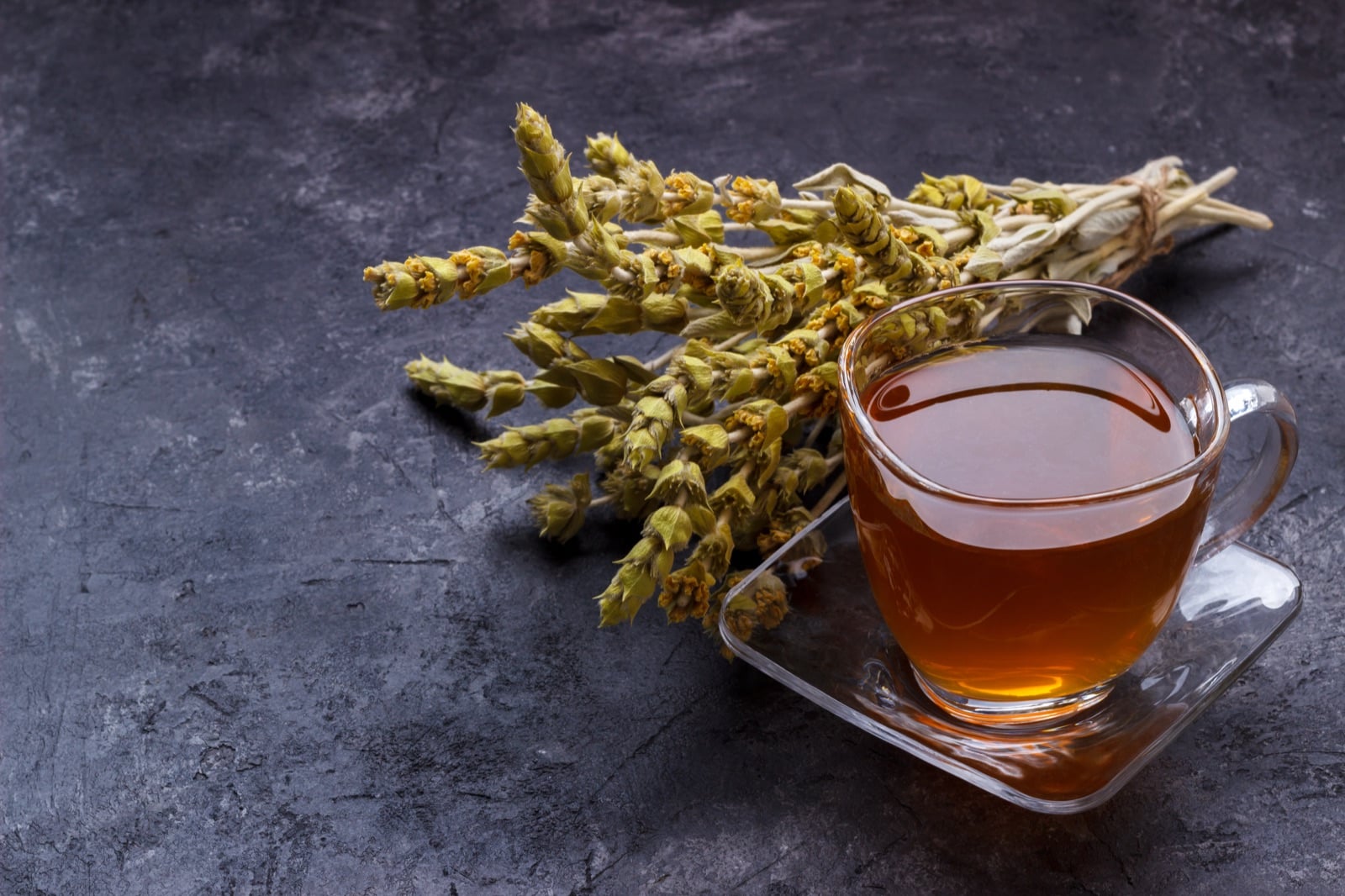
Toasted first. Instead of soaking, VOAL browns 6 tablespoons of trahana in 2 tablespoons of olive oil, whisks in 1 liter of boiling water and simmers about 10 minutes with grated cheese, for 4 to 5. AgroWeb does it per person: 2 tablespoons of trahana roasted in butter for 2 minutes, then a glass of cold milk. However it is cooked, the bowl is finished with white cheese, butter or oil and yesterday’s bread, with dhallë or mountain tea alongside; see our guide to Albanian drinks.
Food Safety: Fermenting and Drying Dough at Home
No US government guidance is written for trahana itself; what follows applies the rules for its ingredients and steps. Raw flour. The FDA warns that grains may be exposed in the field to Salmonella and pathogenic E. coli, that milling does not kill them, and that you should never eat or taste raw flour, dough or batter. Do not taste the dough at any stage, and wash hands, bowls and cloths after handling it.
Yogurt. The FDA lists Salmonella, E. coli, Listeria and Campylobacter among the germs raw milk can carry and recommends yogurt made from pasteurized milk. Traditional recipes call for homemade sheep’s yogurt; in the US, use a plain whole pasteurized-milk yogurt, which still carries the live cultures that start the ferment.
The ferment. A USDA Agricultural Research Service chapter on fermented vegetables explains the principle: the lactic and acetic acids that lactic acid bacteria produce prevent the growth of other microorganisms, including human pathogens, and a pH at or below 4.6 blocks Clostridium botulinum. It also cautions that E. coli, Listeria and Salmonella can survive for extended periods in some acidic products, and that vegetative bacterial cells are readily destroyed by heating to 160°F (71°C), especially at low pH. That is the real safeguard: trahana is always boiled before it is eaten, never consumed raw or merely soaked.
Drying. The National Center for Home Food Preservation recommends outdoor drying only at 85°F or above with humidity below 60 percent, on raised screens for air movement, covered with a second screen or cheesecloth against birds and insects, and brought under shelter at night. That guidance is written for fruit, and the center advises drying vegetables and meats indoors rather than outside, so treat it as a minimum; Albanian sources dry trahana in the shade, and an airy indoor room is the safest choice. For storage the center says to cool dried food fully, because warm food sweats and moisture grows mold, to pack it in clean, dry jars or tight-lidded containers, and to discard anything moldy. If a batch smells of anything but clean sourness, throw it out.
Buying Trahana in the US
If you would rather not ferment your own, dried trahana is sold by the bag at Albanian, Greek and Turkish grocers; the Greek and Turkish products cook the same way, with the differences in the table above. Our guides to Albanian grocery stores and butchers and where to buy Albanian products in the US list shops by city; look for “trahana” or “tarhana” on the label, and “sour” for the yogurt kind. The kulaç me kos yogurt bread and the popular foods in Albania fill out the table.

Trahana e Thartë (Sour Albanian Trahana with Yogurt)
Ingredients
Method
- Make the dough. Sift the flour into a large bowl and make a well in the center. Stir the salt into the yogurt, pour it into the well, and knead until you have a firm, uniform dough with no dry flour left. Do not taste the raw dough.
- Ferment. Dust a deep bowl with flour, put the dough in, dust the top with more flour and cover with a clean cotton cloth. Leave it in a cool, dark place for about 36 hours, until it has risen to three to four times its size and smells clearly sour.
- Break it up. Tear the risen dough into pieces on a clean cloth or on trays and leave them for 2 to 3 hours until the surface is dry enough to handle. Crumble the pieces between your fingers and push them through a coarse sieve so you get small, even grains.
- Dry. Spread the grains in a thin layer on cloth-lined trays and leave them for 5 to 6 days in a shaded, airy, dry place, stirring once a day, until they are hard, light and completely dry all the way through. Keep them covered with a fine cloth or screen and bring the trays indoors at night.
- Store. Once fully dry and cooled, pack the trahana into an airtight container or jar and keep it in a cool, dark, dry place. Check the first week for any damp or mold and discard the batch if you find either.
- Cook the soup. Put 80 g of dried trahana in a pot with 400 ml of cold water and let it soak for at least 1 hour, or overnight. Bring to a boil, stirring, then lower the heat and simmer for 3 to 4 minutes, stirring constantly, until it thickens into a smooth porridge. Season with salt.
- Serve. Take the pot off the heat, stir in the toasted bread cubes, cover for 2 to 3 minutes, then ladle into bowls and finish with the butter or olive oil, crumbled white cheese and a pinch of ground red pepper.
Notes
Frequently Asked Questions
What is trahana made of?
Albanian sour trahana is wheat flour, yogurt and salt, kneaded into a firm dough, fermented until it has grown three to four times, then dried and crumbled into small grains. Sweet trahana uses milk instead of yogurt; red trahana works a puree of tomatoes, onions and peppers into the flour. It is cooked into a thick soup.
Is trahana Albanian, Greek or Turkish?
All three make it under related names, and a review from the Agricultural University of Athens calls Greek trahanas and Turkish tarhana two of the oldest traditional fermented milk-and-cereal foods. The Albanian version is a raw flour-and-yogurt dough; Greek trahanas is ground wheat boiled in soured milk; Turkish tarhana adds cooked vegetables, yeast and spices. Each is its own food.
How long does trahana ferment?
Shqiptarja.com’s traditional recipe gives about 36 hours, until the dough has risen three to four times; Arti Gatimit leaves it 4 to 5 days, stirring daily, and VOAL 2 to 3 days. The rise and the clean sour smell matter more than the clock; a cool room ferments slowly, a warm kitchen quickly.
How do you cook dried trahana?
Soak 80 g of trahana in 400 ml of cold water for an hour or overnight, bring it to a boil while stirring, and simmer 3 to 4 minutes until thick, as Arti Gatimit describes. Stir in toasted bread, cover briefly, and finish with butter or oil, white cheese and red pepper. Some cooks brown the trahana in butter first.
Is homemade trahana safe to eat?
Cooked, yes, with care in the making. Never taste the raw dough, because the FDA warns raw flour can carry Salmonella and E. coli; use pasteurized-milk yogurt; dry the grains covered against insects and discard any batch with mold. Trahana is always boiled before eating, and the USDA notes that heating to 160°F (71°C) destroys vegetative bacteria.
Is trahana a breakfast food?
Yes. Living.al describes it as the warm bowl of winter Sunday mornings, AgroWeb cooks it in milk as a winter dish for breakfast or dinner, and our Albanian breakfast guide lists it among the twelve things Albanians actually eat in the morning. Arti Gatimit lists it as a breakfast dish, served with olive oil or butter and, to taste, cheese or red pepper.
Sources
- Shqiptarja.com: Si të përgatisni trahana tradicionale me kos (të thartë) sipas znj. Albana (4 October 2022)
- Arti Gatimit: Si të përgatisim trahana me kos (2019)
- Arti Gatimit: Trahana, Kuzhina Shqiptare (2017)
- VOAL: Trahanaja, tri receta tradicionale plot shije
- Living.al: Koha për të përgatitur trahananë; receta e kuqe me speca e domate dhe tradicionalja me kos (18 July 2019)
- AgroWeb: Trahana me qumësht (3 November 2022)
- Georgala, Agricultural University of Athens: The Nutritional Value of Two Fermented Milk/Cereal Foods Named Greek Trahanas and Turkish Tarhana, a Review (J Nutr Disorders Ther, 2013)
- Europe PMC: Effect of fermented dairy products on physicochemical and probiotic properties of tarhana (J Food Sci Technol, 2026)
- Republic of Türkiye Ministry of Culture and Tourism: Tarhana Soup
- Cyprus Food Museum: Trahanas, Gastronomic Map of Cyprus (Department of Agriculture, 2022)
- U.S. Food and Drug Administration: Handling Flour Safely
- U.S. Food and Drug Administration: The Dangers of Raw Milk
- USDA Agricultural Research Service: Processing and Safety (acidified and fermented vegetables, Chapter 5)
- National Center for Home Food Preservation: Sun Drying
- National Center for Home Food Preservation: Packaging and Storing Dried Foods
Related Reading
- Albanian Breakfast: What Albanians Eat in the Morning
- Kulaç me Kos: Albanian Yogurt Bread
- Albanian Cheese: Djathë i Bardhë, Gjizë and More
- Albanian Bread: Traditional Types
- Popular Foods in Albania
- All Albanian Recipes

Author: Val Demiri
Valbona is an editor and writer at ALB Connection, where she covers the people, businesses, and culture shaping the Albanian diaspora. A journalism graduate of the University of Iowa, her work spans community profiles, success stories, and features on Albanian life across the US, Europe, and beyond. She is drawn to stories that celebrate Albanian achievement and keep the community connected across borders.