

- Violent crime against tourists: Very rare
- Petty theft: Uncommon but happens (mostly pickpocketing in tourist areas)
- Solo female travel: Generally safe; reports are largely positive
- Driving: The biggest real risk, Albanian roads and driving culture require attention
- Political/civil unrest: Low risk
- Natural disaster risk: Earthquakes happen but rare; floods possible in spring
- Terrorism: Very low
- Tourist scams: Some, mostly minor (overcharging in tourist zones)
What Official Travel Advisories Say
U.S. State Department
Level 1, Exercise Normal Precautions. The same level applied to France, Germany, Italy, and the UK. The advisory notes some risk of petty crime and recommends caution in remote rural areas, but otherwise treats Albania as a normal European destination.UK Foreign Office
Advises normal precautions. Notes that violent crime against foreign visitors is rare. Specifically mentions road safety as the most significant concern.Government of Canada
“Exercise normal security precautions.” Similar framing to the US and UK advisories.Australian DFAT
Lists Albania at Level 1, Exercise Normal Safety Precautions. None of these advisories warn against travel to Albania. All four English-speaking governments rate Albania at the lowest concern level.The Real Risks (What to Actually Worry About)
1. Driving
Albanian driving is the most common real safety issue tourists encounter. Specific concerns:- Inconsistent enforcement of traffic rules
- Narrow, winding mountain roads (especially the Llogara Pass and the road to the Albanian Riviera)
- Aggressive drivers, frequent overtaking on blind curves
- Pedestrians and livestock on roads in rural areas
- Older vehicles without modern safety features
2. Petty Theft / Pickpocketing
Uncommon by European standards but not nonexistent. The highest-risk areas:- Crowded tourist sites (especially in Tirana’s Skënderbej Square and the Ksamil beaches in peak season)
- Public transportation in cities
- Busy markets
3. Tourist Overcharging
Minor scams exist, mostly taxi drivers refusing to use meters, restaurants without printed prices, beach clubs charging more than they should. These are inconveniences rather than dangers. Practical advice: Use the local app Speed Taxi in Tirana (it’s like Uber for Albania). Confirm prices before ordering. Don’t be afraid to negotiate.4. Older Infrastructure
Albania’s tourism infrastructure is still developing in places. Mountain roads, rural Wi-Fi, and emergency response times in remote areas are not always at Western European standards. This affects convenience more than safety, but worth knowing.5. Stray Dogs
Stray dogs are common in some areas. Most are not aggressive but it’s worth being aware, particularly in rural areas and around archaeological sites at off-hours.Outdated Concerns That No Longer Apply
The “Albanian Mafia” Stereotype
Albania has organized crime, like every country, but the international stereotype of the “Albanian mafia” is wildly exaggerated and has almost no relevance to tourists. Organized crime in Albania mainly operates against other criminal networks and does not target visitors. If you don’t get involved in drug trafficking or human smuggling, you will never encounter it. (We have a separate detailed piece on the Albanian mafia myth vs reality.)The 1997 Civil Unrest
In 1997, Albania experienced major civil unrest after the collapse of pyramid investment schemes. Travel advisories warned against Albania for years afterward. This was 28+ years ago. The Albania of today is not the Albania of 1997.The Kosovo War (1998 to 1999)
The Kosovo War ended over a quarter-century ago. Albania was not the war zone (Kosovo was, and even Kosovo is safe now). Albania today is a NATO member and EU candidate.Hoxha-Era Closure
Some travelers still believe Albania is hard to enter or hostile to foreigners. This was true under Enver Hoxha’s communist regime (which ended in 1991). Today Albania is visa-free for US, UK, EU, Canadian, and Australian citizens for up to 90 days, and tourism is welcomed.Is Albania Safe for Solo Female Travelers?
Generally yes. Solo female travelers report largely positive experiences in Albania. Specific notes:- Verbal harassment (catcalling) happens, particularly in some neighborhoods of Tirana and at coastal nightlife venues. It rarely escalates beyond verbal.
- Hitchhiking is not recommended (though not because of high risk, just because the bus and shared taxi system is sufficient).
- Conservative dress is appreciated in religious sites (Orthodox monasteries, mosques, the Bektashi tekke in Tirana) but not required elsewhere.
- Female solo dining is normal in cities and beach towns; less common in small rural villages where you may attract some attention.
Is Albania Safe for LGBTQ+ Travelers?
Mixed. Homosexuality has been legal since 1995, and Tirana has a small but visible LGBTQ+ community. However, social attitudes outside the capital remain conservative. Public displays of same-sex affection are uncommon and may attract unwanted attention. Same-sex marriage is not recognized. LGBTQ+ travelers generally report that Tirana is welcoming but more rural areas require greater discretion.Safety in Specific Areas
Tirana
Generally safe. Skënderbej Square, Blloku (the trendy nightlife district), and Bajram Curri Boulevard are well-lit and patrolled. Outer neighborhoods in the early hours of the morning warrant the same caution as any large city.The Albanian Riviera (Sarandë, Ksamil, Dhërmi, Himarë)
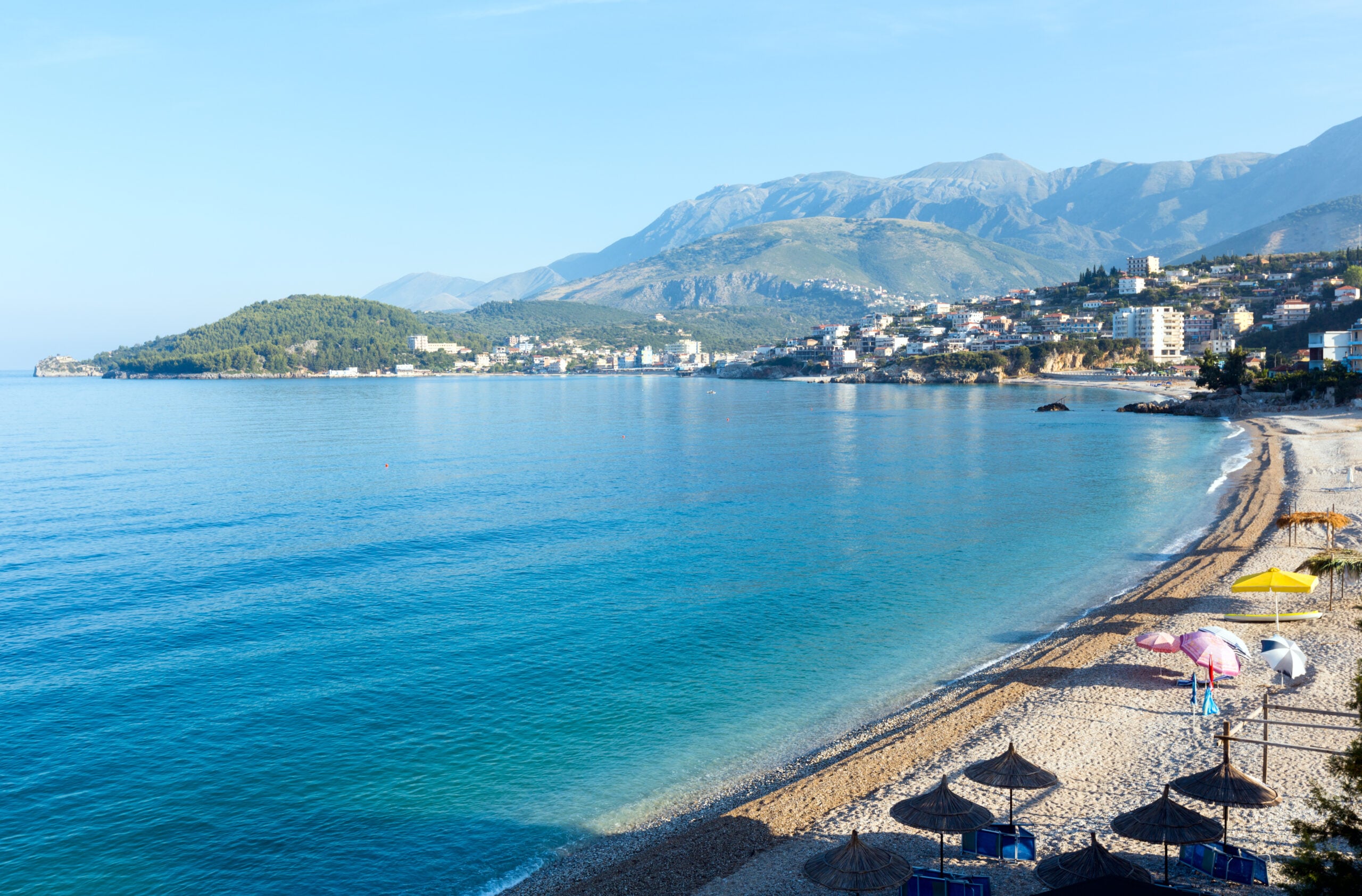
Very safe for tourists. The economy is heavily tourism-dependent and visitors are welcomed. The main risks are sun exposure and rough sea swimming in some unpatrolled beaches.Northern Albanian Alps (Theth, Valbonë)
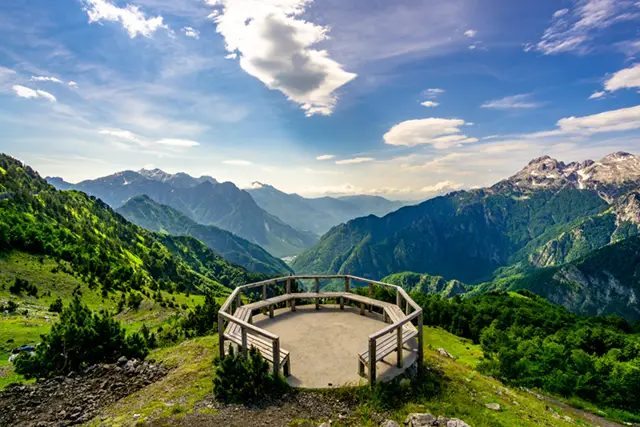
Beautiful and increasingly popular for hiking. Generally safe, but the terrain is real, hike with proper preparation, ideally with a local guide, and don’t underestimate the mountains.Border Areas with Kosovo, North Macedonia, Montenegro
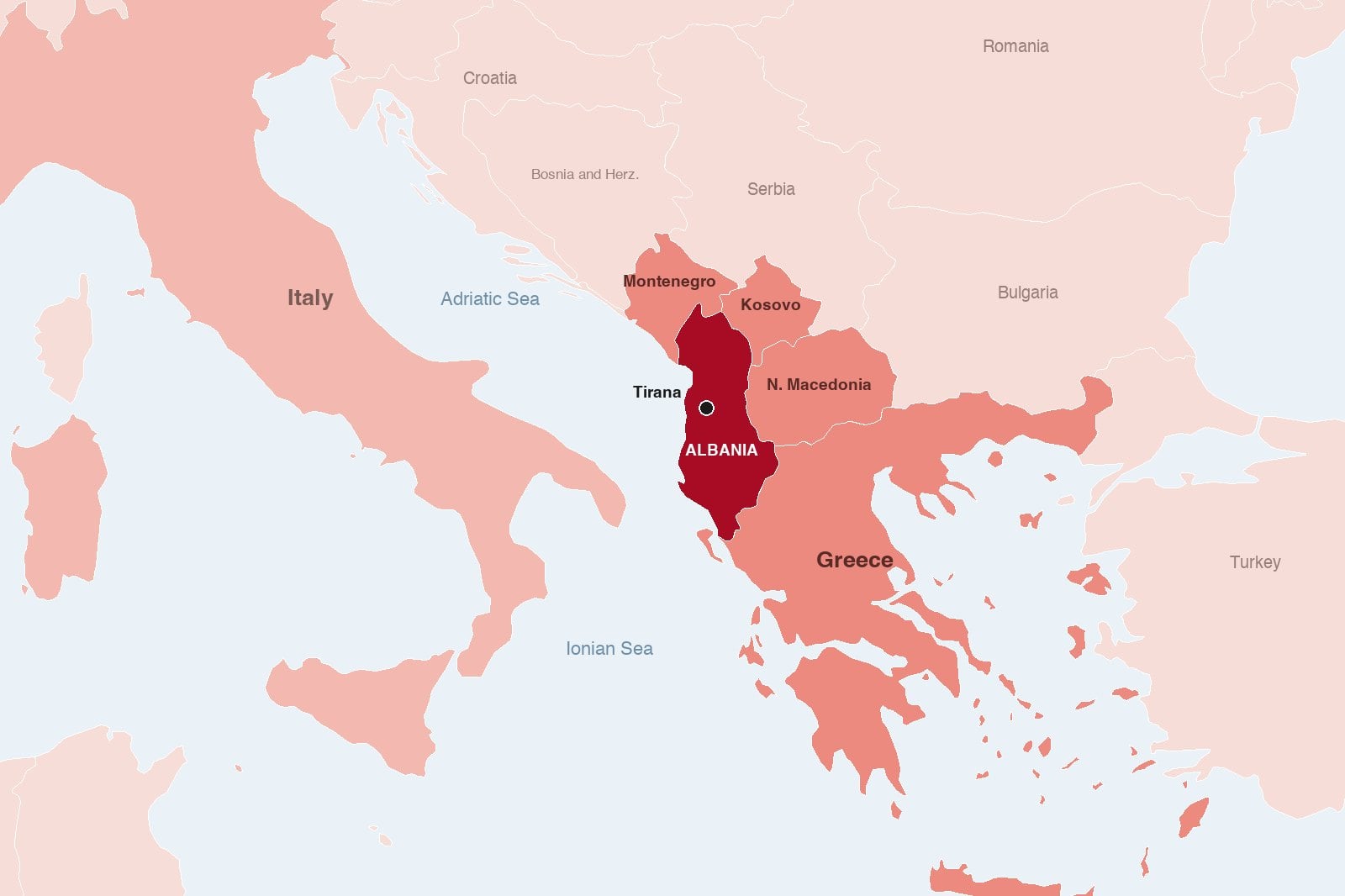
All open and safe for crossings. Standard precautions apply.Border Area with Greece
Active border crossing at Kakavië, used heavily by Greek-Albanian migrants. Safe but can be slow during summer peak.Albania vs Other Mediterranean Tourist Destinations
By international crime statistics, Albania compares favorably to most of the Mediterranean tourist circuit. The U.S. Numbeo Crime Index typically rates Tirana lower (safer) than Athens, Naples, Marseille, Rome, or Barcelona for tourist-relevant crime. Violent crime against foreigners is rare across the country.What About the Albanian Mafia?
The international media narrative around “Albanian organized crime” is one of the most disproportionate stereotypes in modern European travel. Organized crime exists in Albania (and in every European country). It operates primarily in commercial smuggling, drug trafficking, and human trafficking, areas that have no overlap with the tourist economy. Casual tourists do not encounter Albanian organized crime under normal circumstances. The risk to visitors is essentially zero.Practical Safety Tips for Albania
- Carry photocopies of your passport rather than the original where possible.
- Use the Speed Taxi app in Tirana, fixed prices, no meter haggling.
- Drink bottled water in most areas, especially rural. Tirana tap water is generally safe but tastes heavily chlorinated.
- Buy a local SIM card on arrival, cheap, easy, makes you reachable in emergencies.
- Have euros or US dollars in addition to Albanian lekë, widely accepted in tourist areas.
- Get travel insurance that covers medical evacuation, Albanian medical facilities are improving but specialized care may require travel to Italy or Greece.
- Don’t drive at night in rural areas unless necessary.
- Learn a few Albanian phrases. See our common Albanian phrases guide.
- Trust Albanian hospitality. The cultural tradition of besa (honor) extends to guests. Most Albanians will go out of their way to help a visitor in difficulty.
Sources and Further Reading
The facts and figures in this article draw on authoritative sources:
Planning your trip? See our guides on things to do in Tirana.
- U.S. Department of State: Albania Travel Advisory
- 1997 Albanian civil unrest (Wikipedia)
- Albania-NATO relations (Wikipedia)
- Albania EU accession (Wikipedia)
- Kosovo War (Wikipedia)
Many visitors combine Albania with Kosovo. The same questions about safety there are answered in Is Kosovo safe to visit?
Frequently Asked Questions
Is Albania safe to visit in 2026?
Yes. Albania is rated Level 1 (Exercise Normal Precautions) by the U.S. State Department, the same level as most Western European countries. Violent crime against tourists is very rare.
Is Albania safe for American tourists?
Yes. Americans generally have positive experiences in Albania. The country has historically been very pro-American (Bill Clinton has a statue in Pristina, Kosovo, and George W. Bush was famously welcomed enthusiastically in Albania in 2007).
Is Albania safe for solo female travelers?
Generally yes. Verbal harassment can happen in some areas, but violent crime against female travelers is rare. Solo female travelers report positive overall experiences.
What’s the biggest safety concern in Albania?
Driving and road safety. Albanian roads, especially in mountain areas, require attention. The driving culture can be aggressive. Many travelers prefer to hire local drivers rather than rent cars.
Is Albania safe after the Kosovo War?
The Kosovo War ended in 1999, over 25 years ago. Albania was not the war zone (Kosovo was). Albania today is a NATO member and an EU candidate. There is no ongoing conflict.
Should I worry about the Albanian mafia as a tourist?
No. The international “Albanian mafia” stereotype is wildly disproportionate and has essentially no relevance to tourists. Organized crime operates in commercial smuggling and does not target visitors.
Related Reading
- The Albanian Riviera: Complete Travel Guide
- Tirana Things to Do: Your Complete City Guide
- The Best Places to Visit in Albania
- The Albanian Mafia: Myth vs Reality
- Common Albanian Phrases for Travelers
- Albanian Food: The Complete Guide
- Best Places to Visit in Albania
- Things to Do in Tirana: Complete Visitor Guide
- The Albanian Riviera: Beaches, Towns & Travel Tips
- Saranda Beach: Albania’s Southern Coast Gateway
- Best Hotels in Albania 2026

Author: Dardanë Halimi
Dardanë Halimi is a writer and communications professional with an M.A. in Writing, Rhetoric, and Technical Communication from James Madison University. Her work focuses on storytelling, digital content, higher education, and strategic communication, with experience writing for academic, nonprofit, and marketing organizations in both the United States and Kosovo.