Yes, Kosovo is safe to visit for most travelers, with one regional exception. The U.S. State Department rates Kosovo Level 2: Exercise Increased Caution (advisory dated August 25, 2026) because of unrest and terrorism, the same level it gives France, Germany and Italy. It asks Americans to reconsider travel (Level 3) to the North Kosovo area: North Mitrovica, Leposavic, Zubin Potok and Zvecan. The Ministria e Jashtme e Mbretërisë së Bashkuar no longer advises against travel to any part of Kosovo. Pristina, Prizren, Peja and the Rugova Valley are the places most visitors go, and they are not in the higher-risk area.
Pyetja lind në çdo forum udhëtimesh në Ballkan dhe në pothuajse çdo bisedë kur përmendet Kosova: a është e sigurt? Është një pyetje e drejtë për një vend që doli nga një luftë shkatërruese më pak se tre dekada më parë, shpalli pavarësinë vetëm në vitin 2008 dhe ende përballet me tensione komplekse politike me fqinjin e saj verior, Serbinë. Por është gjithashtu një pyetje, përgjigjja e sinqertë e së cilës i habit shumicën e njerëzve që e bëjnë.
Is Kosovo Safe? The Short Answer
For the vast majority of tourists visiting Pristina, Prizren, Peja, and the Rugova Valley, Kosovo is safe. Violent crime against visitors is rare, the population is welcoming, and the tourism infrastructure works. The main caveat is the northern area near Serbia, which carries higher risk due to ongoing ethnic and political tensions. In September 2026, the UK, Canadian and Australian governments also reported large public gatherings in Pristina and other cities, which can disrupt traffic; avoid them.
TLDR
- US State Department: Level 2 (Exercise Increased Caution) overall, Level 3 (Reconsider Travel) for the North Kosovo area, advisory dated August 25, 2026
- UK FCDO: since June 10, 2026, no longer advises against travel to any part of Kosovo
- Main concerns: petty theft in city centers, demonstrations, general terrorism awareness, and northern tensions
- North Mitrovica, Leposavic, Zubin Potok, and Zvecan: the area the US, Canada and Australia single out
- Prishtina, Prizreni, Peja, Gjakova: përgjithësisht të sigurta dhe të vizituara mirë nga turistët ndërkombëtarë
- Emergency number: 112 for police, ambulance and fire
- Tap water is not safe to drink, according to the State Department
- Coming from Kosovo to Serbia: you need a Serbian entry stamp, or you will be refused entry
- Forca paqeruajtëse e KFOR-it e NATO-s mban një prani në Kosovë, veçanërisht në zonat e ndjeshme.
Çfarë thonë këshillat zyrtare të udhëtimit
The Departamenti Amerikan i Shtetit e vlerëson Kosovën në Nivelin 2: Tregoni Kujdes të Rritur, “due to unrest and terrorism.” This is the same level it currently assigns to France, Germany, Italy, Spain and the United Kingdom. On unrest, it says demonstrations related to the local political situation “may occur with little notice.” On terrorism, it refers to a risk of terrorist violence in the Balkans region, including Kosovo, not to a specific threat.
The North Kosovo area carries a Level 3: Reconsider Travel designation: North Mitrovica, Leposavic, Zubin Potok, and Zvecan. The State Department says that “due to ethnic tensions, these areas have a potential risk of violent civil unrest,” that the US government “has limited ability to provide emergency services” there, and that travel by US government employees to these four municipalities is restricted.
Canada’s travel advisory for Kosovo says to take normal security precautions in Kosovo overall, but to avoid non-essential travel to the northern part of Kosovo, particularly Leposavić, North Mitrovica, Zubin Potok and Zvečan. Australia rates Kosovo “exercise a high degree of caution” and says to reconsider travel to the same four municipalities. The UK Foreign Office is now the least restrictive: on June 10, 2026 it stopped advising against all but essential travel to the northern municipalities, while noting that northern Kosovo “remains politically sensitive and conditions can change quickly.”
| Government | Kosovo overall | Northern municipalities | Last updated |
|---|---|---|---|
| United States (State Department) | Level 2: Exercise Increased Caution (unrest, terrorism) | Level 3: Reconsider Travel (North Mitrovica, Leposavic, Zubin Potok, Zvecan) | August 25, 2026 |
| United Kingdom (FCDO) | No advice against travel | No advice against travel since June 10, 2026; stay vigilant | September 23, 2026 |
| Kanada | Take normal security precautions | Avoid non-essential travel | September 23, 2026 |
| Australia (Smartraveller) | Exercise a high degree of caution | Reconsider your need to travel | September 26, 2026 |
Krimi dhe Siguria Personale në Kosovë
Kosovo’s recorded homicide rate is low by international standards: 1.9 per 100,000 people in 2021, the latest year available from the World Bank (UNODC data), compared with 5.8 in the United States in 2023. It is similar to its neighbors (Albania 1.4, North Macedonia 1.5, Serbia 1.3 in 2023), though higher than Montenegro (0.8) or Croatia (0.7). The FCDO says isolated incidents of armed violence and vehicle explosions in major cities “are usually linked to organised crime and do not target visitors.” For everyday visitors, the primary risks are the same as in most European cities: pickpocketing in airports, crowded markets and on public transport, bag snatching in busy pedestrian areas, and the occasional opportunistic scam targeting tourists (inflated fares from unofficial taxis being the most common).
| Vendi | Intentional homicides per 100,000 people | Viti |
|---|---|---|
| Kosovë | 1.9 | 2021 |
| Shqipëri | 1.4 | 2023 |
| Serbia | 1.3 | 2023 |
| Maqedonia e Veriut | 1.5 | 2023 |
| Mali i Zi | 0.8 | 2023 |
| Shtetet e Bashkuara | 5.8 | 2023 |
Pristina city center, Prizren, and Peja are busy with people well into the evening. Women traveling solo report feeling comfortable in these cities, particularly in cafes and tourist areas. LGBTQ+ travelers should be aware that Kosovo is a socially conservative society; same-sex public displays of affection may attract unwanted attention in some contexts, though the legal framework does not criminalize same-sex relationships. The FCDO describes the LGBT+ scene as “more tolerated than accepted.”
The FCDO also warns about bank card fraud: use ATMs inside banks where possible and keep your card in sight when paying. Criminals may target people they think carry large amounts of cash, so avoid showing expensive jewelry or watches.
Is Pristina Safe? Safety by City
Pristina: Generally safe, including in the evening along Mother Teresa Boulevard and in the café districts. The State Department says petty street crime is the most common safety concern for US citizens in tourist areas, and Canada says thieves target foreigners particularly in Pristina’s crowded places. The main extra risk in 2026 is political demonstrations, which happen mostly around government and international buildings. See our guide on gjëra për të bërë në Prishtina.
Prizren: Kosovo’s most visited historic town is calm and pedestrian-friendly, and very busy during the DokuFest film festival in August. Watch your belongings in crowds. Our Udhëzues udhëtimi për në Prizren covers the city in detail.
Peja and the Rugova Valley: Safe for visitors. The risks in the mountains are terrain, weather and, off marked trails, old landmines (see below), not crime.
Mitrovica: The city is divided by the Ibar River. South Mitrovica is not in the higher-risk area; North Mitrovica is one of the four municipalities under the US Level 3 advisory.
Situata në veri të Kosovës
The north of Kosovo, particularly the area around North Mitrovica and the municipalities of Leposavic, Zubin Potok, and Zvecan, remains the most politically volatile part of the country. The North Kosovo crisis that began in 2022 involved roadblocks, protests, shooting incidents, and significant diplomatic tension between Kosovo and Serbia. NATO’s KFOR peacekeeping force increased its presence in these areas in response. The FCDO says the situation “has improved since 2024,” but localized protests and disruptions “can occur with little warning.”
Most tourist itineraries do not include northern Kosovo. If you do plan to travel north, monitor the situation closely, register with your embassy, and be prepared to alter plans quickly if conditions deteriorate. The situation can change rapidly with little warning.
Protests and Large Gatherings
Demonstrations are the reason all four governments mention unrest. In September 2026, the FCDO, Canada and Australia updated their advice to report large gatherings in Pristina and other urban centers, including in the evenings, causing traffic and public transport disruption. Canada notes that demonstrations often take place around government or international organizations’ buildings and that even peaceful ones can turn violent.
The advice is the same everywhere: stay away from demonstrations and large crowds, follow local news, allow extra travel time, and follow police instructions.
Rreziku i Terrorizmit
The terrorism risk cited in the US State Department advisory is framed as a regional Balkan concern. The FCDO says terrorist attacks in Kosovo “cannot be ruled out” and could target large public gatherings, cultural events and religious sites. Travelers should maintain the same general vigilance they would in any European capital: be aware of surroundings at crowded events, public transport, places of worship, and tourist sites. This should be kept in perspective: similar terrorism language appears in US and UK advisories for France, Spain, and other Western European countries.
Taxis and Common Scams
The State Department calls taxis in Kosovo “inexpensive, safe, and reliable” and advises using established taxi companies with meters switched on at departure. The FCDO adds that registered taxi firms are the safest option, fares are regulated, cars are usually ordered by phone (some firms now have local apps), and that international ride-hailing apps are not available. Taxis that approach you for a fare are often unofficial and can overcharge.
- Order a taxi from a registered company by phone or app, or ask your hotel to call one.
- Check the meter is running, or agree the fare before you set off.
- Use ATMs inside banks and check street ATMs for tampering.
- If you rent a car, read the contract for border and insurance rules (see below).
Is Kosovo Safe for Solo Female Travelers?
Generally yes. None of the four government advisories singles out risks for women in Kosovo beyond general advice. Solo female travelers generally report feeling safe in Pristina and Prizren, where cafés and streets stay busy into the evening. Unwanted attention is possible but rarely threatening. The FCDO’s general precautions apply: use pre-booked taxis, and avoid isolated areas at night or when walking alone.
Siguria Rrugore
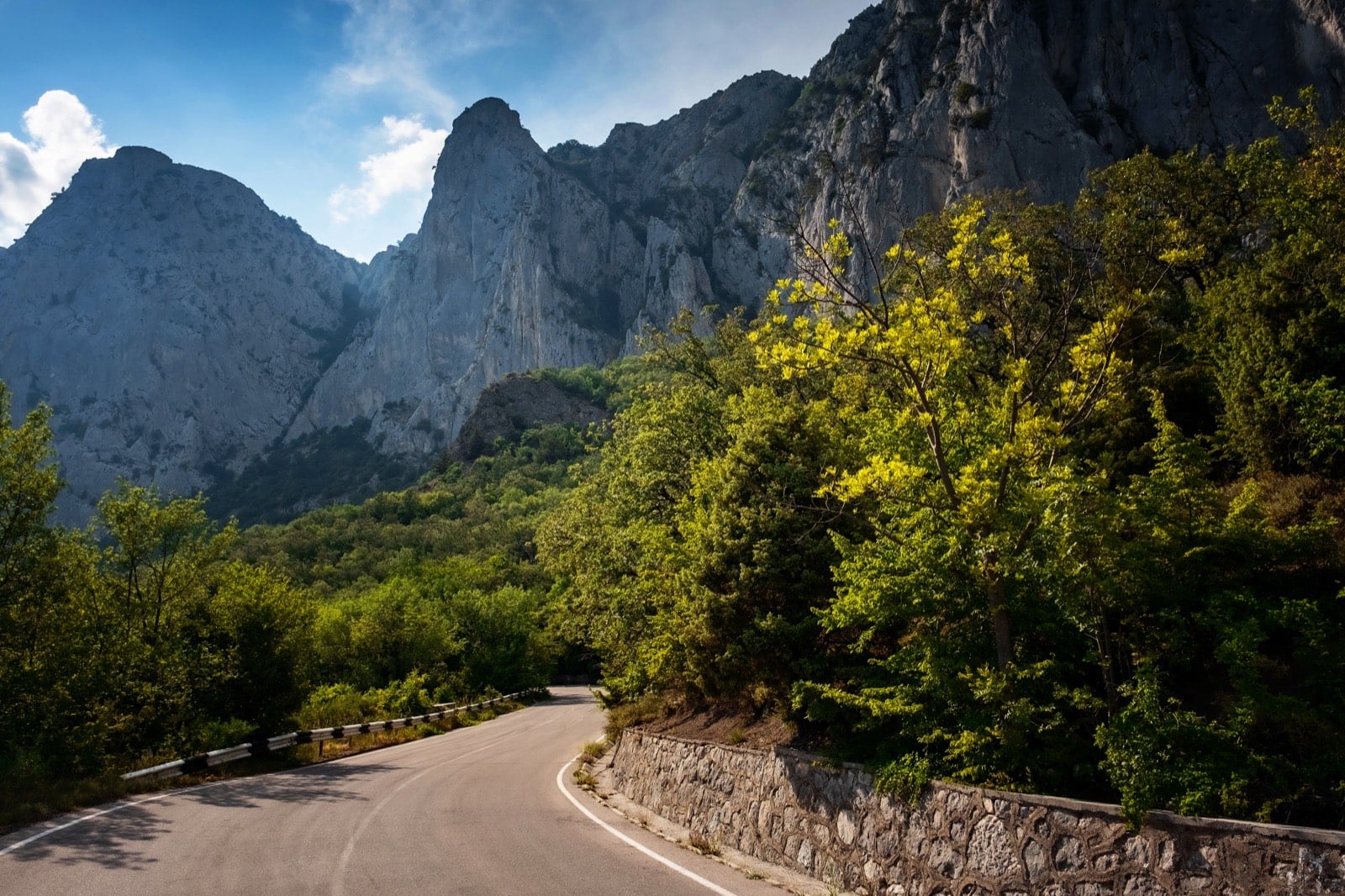
Road safety is a genuine concern in Kosovo that receives less attention than political security. Traffic rules are not consistently observed, roads in rural areas can be poorly maintained, and nighttime driving outside of highways carries real risks. The FCDO says road standards vary “from fair to poor,” warns of landslides and flooding after bad weather, and advises avoiding night travel where possible. If you rent a car, drive defensively, avoid mountain roads after dark, and be prepared for unexpected road conditions. The motorway connecting Pristina to the Albanian border at Vërmica (the R7, which continues in Albania as the A1 “Rruga e Kombit”) is modern. Secondary roads vary considerably in quality.
- Insurance: The FCDO says European green card insurance is not valid in Kosovo; buy local third-party insurance at the border, in cash euros.
- Car hire across borders: Many Serbian car hire firms do not allow their cars into Kosovo, and vice versa. The FCDO reports some incidents where Serbian-registered hire cars were targeted in isolated areas.
- Border queues: Delays are common at crossings with North Macedonia, Albania and Serbia in summer and around holidays. Carry food and water.
Hiking, Mountains and Landmines
Kosovo’s mountains, especially Rugova and the Accursed Mountains near Peja, are safe for prepared hikers. One specific risk remains from the 1999 war: the FCDO says residual landmines and unexploded weapons remain in some areas, mainly along the border with Albania, the Dulje Pass area in central Kosovo, and the mountains between Kosovo, Albania and Montenegro. Roads and tracks have been cleared. Stay on marked trails, hire a local guide for remote routes, and if you see something metallic or suspicious, do not touch it; report it to police or a KFOR patrol.
The FCDO also lists wildfires (April to October), altitude sickness, and ticks as seasonal risks. Crimean-Congo hemorrhagic fever, spread by ticks, is endemic in parts of rural Kosovo, mostly around Malisheva, so use repellent and check for ticks after walks in summer.
Stray Dogs and Rabies
Stray dogs are common in Kosovo’s towns. The CDC says “dogs infected with rabies are not commonly found in Kosovo,” but rabies is present in some wild animals, and rabies vaccines “may only be available in larger suburban/urban medical facilities.” Don’t feed or touch stray dogs. If you are bitten or scratched, wash the wound with soap and water for about 15 minutes and go to a hospital in a major city the same day. Ask your doctor about pre-travel rabies vaccination if you plan long rural hikes.
Konsideratat shëndetësore dhe mjekësore
The CDC rekomandon that travelers to Kosovo ensure routine vaccinations are up to date, including MMR, diphtheria-tetanus-pertussis, varicella, polio, and annual flu vaccine. No special vaccinations are required for Kosovo. The FCDO describes the public health system as poorly funded, with shortages of equipment and medicines, and says private clinics are of better quality and relatively affordable. A small cash payment is required for treatment in the public system. Serious medical emergencies may require evacuation, so travel insurance with medical coverage, including emergency evacuation, is strongly recommended.
Water and air: The State Department says tap water in Kosovo “is not potable or safe to drink”; drink sealed bottled water. Air pollution can be high in winter, especially in Pristina, because of coal and wood heating, according to the FCDO and Canada.
Emergency Numbers in Kosovo
| Service | From a mobile | From a landline |
|---|---|---|
| All emergencies (police, ambulance, fire) | 112 | 112 |
| Police | 192 | 92 |
| Fire | 193 | 93 |
| Ambulance | 194 | 94 |
| Victim Advocacy and Assistance Office | 0800 11 112 | |
Burimet: FCDO, Getting help; US State Department Kosovo travel guidance (112 and the victim assistance line). US citizens can also contact the US Embassy in Pristina.
Kosovo and Serbia Border Crossings: The Entry-Stamp Rule
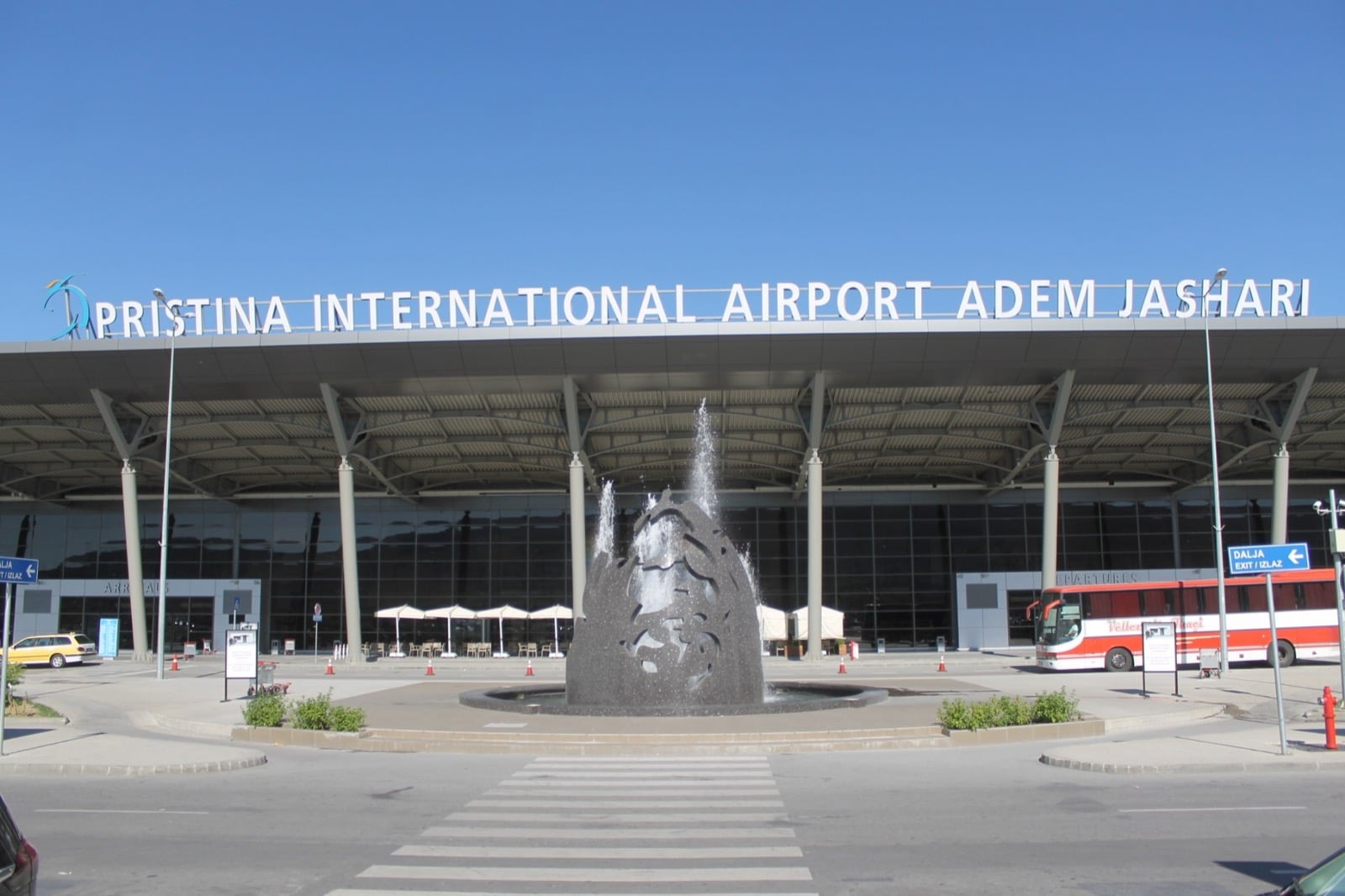
Serbia does not recognize Kosovo’s independence and does not treat its crossing points with Kosovo as international border crossings. The practical rule, as stated by the Departamenti i Shtetit i SHBA-së: to enter Serbia from Kosovo, you need a recent Serbian entry stamp. Serbia will bar US citizens from entering Serbia from Kosovo if they entered Kosovo from any country other than Serbia, and that includes arrivals at Pristina airport. The FCDO gives the same rule and adds that Serbian border guards have refused entry to some travelers with Kosovo stamps, and in isolated cases cancelled Kosovo stamps.
- Serbia first, then Kosovo, then back to Serbia: Works. You entered Serbia through an official Serbian border, so you can return from Kosovo.
- Fly into Pristina, or enter from Albania or North Macedonia, then go straight to Serbia: Does not work. Leave Kosovo through a third country (for example North Macedonia or Montenegro) and enter Serbia from there.
- Kosovo to Serbia via North Macedonia: The usual workaround.
Crossing points with Albania (Vërmica on the Kosovo side, Morina on the Albanian side) and North Macedonia (Hani i Elezit on the Kosovo side, Blace on the Macedonian side) are straightforward for most Western passport holders.
Këshilla sigurie për vizitorët e Kosovës
- Regjistrohuni në ambasadën e vendit tuaj ose përdorni Programi i Regjistrimit të Udhëtarëve të Mençur (STEP) nëse amerikan
- Shmangni komunat veriore përveç nëse keni një arsye specifike për të shkuar dhe keni studiuar kushtet aktuale.
- Use registered taxi companies with meters in Pristina to avoid overcharging; international ride-hailing apps are not available
- Carry your passport for identification and keep a copy separately in a safe place
- Ensure you are registered with local police within three days of arrival; hotels do this for you, private hosts may not (the Ministry of Internal Affairs began full enforcement on March 15, 2026)
- Stay away from demonstrations and large gatherings, and monitor news and embassy websites if you are in-country for more than a few days
- Pini ujë në shishe
- Bleni sigurim gjithëpërfshirës udhëtimi duke përfshirë mbulimin e evakuimit mjekësor
- Keep emergency numbers saved: 112 for all emergencies; from a mobile, Police 192, Ambulance 194, Fire 193
Çfarë thonë në të vërtetë udhëtarët?
Konsensusi mbizotërues midis udhëtarëve që kanë vizituar Kosovën është se përvoja e përditshme e të qenit turist ndihet shumë e sigurt. Vizitorët shpesh komentojnë se sa ngrohtësisht priten, sa rrallë ndihen të vëzhguar ose të kërcënuar dhe se si kultura rinore dhe skena e kafeneve në vend krijojnë një atmosferë të relaksuar dhe të hapur. Hendeku midis gjuhës zyrtare këshilluese (e kujdesshme nga nevoja) dhe përvojës në terren (përgjithësisht e sigurt dhe e këndshme) është më i madh në Kosovë sesa në shumë destinacione të tjera.
Planning the rest of your trip? Our Udhëzues udhëtimi për në Kosovë covers entry rules, getting there and a sample itinerary. Many visitors also combine Kosovo with Albania; see Is Albania safe to visit?
Për më shumë informacion mbi peizazhin politik të Kosovës, lexoni udhëzuesit tanë mbi Historia e pavarësisë së Kosovës dhe Cilat vende e njohin Kosovën.
Lidhur me: Myth and reality of the Albanian mafia.
Pyetje të shpeshta
Cili është niveli aktual i këshillimit për udhëtime i Departamentit të Shtetit të SHBA-së për Kosovën?
Kosovo carries a Level 2: Exercise Increased Caution advisory from the Departamenti i Shtetit i SHBA-së, dated August 25, 2026, due to unrest and terrorism. The North Kosovo area (North Mitrovica, Leposavic, Zubin Potok, Zvecan) carries a Level 3: Reconsider Travel designation due to ethnic tensions and potential civil unrest.
Is Kosovo safe for Americans?
Yes. Americans are generally warmly received in Kosovo, and US citizens can visit without a visa for up to 90 days in a six-month period. Follow the State Department’s Level 2 advice: avoid demonstrations, stay alert to petty crime, and reconsider travel to the four northern municipalities. Enroll in STEP to receive embassy alerts.
A është Prishtina e sigurt për t’u vizituar?
Pristina is generally considered safe for tourists. Violent crime against visitors is rare. The main risks are petty theft in crowded areas, unofficial taxis, and political demonstrations, which have been frequent in 2026. The city center is active into the late evening, and travelers report feeling comfortable walking around at night. Basic situational awareness and keeping valuables secure reduces your risk significantly. For more on what to see in the capital, read our guide on gjëra për të bërë në Prishtina.
Is Prizren safe?
Yes. Prizren is in southern Kosovo, far from the northern municipalities named in travel advisories, and is the country’s main historic tourist town. Normal precautions against pickpockets apply, especially during the August DokuFest festival crowds.
A ka zona që turistët e Kosovës duhet t'i shmangin?
The US and Australia say to reconsider travel, and Canada to avoid non-essential travel, to the northern municipalities of North Mitrovica, Leposavic, Zubin Potok, and Zvecan because of ethnic tensions and periodic unrest. The UK no longer advises against travel there but asks visitors to stay vigilant. Most tourist itineraries naturally avoid these areas. All other major tourist destinations in Kosovo, including Pristina, Prizren, Peja, Gjakova, and the Rugova Valley, are considered safe for visitors.
A është Kosova e sigurt për udhëtaret femra solo?
Solo female travelers generally report feeling safe in Kosovo’s main cities, particularly Pristina and Prizren. The cafe culture means streets and public spaces are busy and social well into the evening. Unwanted attention is possible but rarely threatening. Dressing modestly in traditional or rural areas is advisable. Use registered taxis at night and avoid isolated areas when walking alone.
What is the emergency number in Kosovo?
Dial 112 for police, ambulance or fire. From a mobile you can also dial 192 for police, 193 for fire and 194 for an ambulance (92, 93 and 94 from a landline).
Can you drink tap water in Kosovo?
No. The US State Department says tap water in Kosovo is not potable or safe to drink. Use sealed bottled water from major brands.
A ka Kosova një prani paqeruajtëse të NATO-s?
Yes. KFOR, the NATO-led Kosovo Force, has maintained a peacekeeping presence in Kosovo since the end of the 1998 to 1999 war. NATO’s February 2026 figures show about 4,600 troops from 33 contributing countries. In June 2026, NATO announced a gradual reduction because security had improved. KFOR’s presence is strongest in northern Kosovo, where tensions remain elevated.
A mund të kaloj nga Kosova në Serbi?
Only if you entered Kosovo from Serbia and have a recent Serbian entry stamp. Serbia does not recognize Kosovo’s independence, and the US State Department says Serbia will bar US citizens who entered Kosovo from any other country, including by air into Pristina, from crossing directly into Serbia. If you entered Kosovo another way, travel to Serbia through a third country such as North Macedonia or Montenegro.
A është e sigurt të ngasësh makinën në Kosovë?
Driving in Kosovo requires caution. The main motorway connecting Pristina to the Albanian border is modern. However, driving standards on secondary roads and in cities are inconsistent, with frequent violations of traffic rules. Rural roads can be poorly maintained, particularly in mountainous areas. Night driving on mountain roads is not recommended. You need local third-party insurance (the green card is not valid), and many Serbian rental companies do not allow their cars into Kosovo. Renting a car is useful for reaching places like Rugova Valley, but drive defensively and stick to major routes after dark.
Çfarë sigurimi udhëtimi më nevojitet për në Kosovë?
Comprehensive travel insurance that includes medical coverage and emergency evacuation is strongly recommended for Kosovo. The public health system is poorly funded, private clinics are better, and serious cases may require evacuation. Ensure your policy covers activities you plan to do, including hiking in the Rugova Valley, and read the policy terms on travel to places under government travel advisories.
Burimet
- Departamenti Amerikan i Shtetit: Këshilla për Udhëtimet në Kosovë: Official current advisory level, regional breakdown and travel guidance
- UK FCDO: Kosovo travel advice: Regional risks, entry rules, emergency numbers
- Australian Government Smartraveller: Kosovo: Advice levels by region
- Ambasada Amerikane në Kosovë: Informacion për udhëtiminKontaktet lokale të emergjencës dhe shërbimet për qytetarët
- Qeveria e Kanadasë: Këshilla për udhëtime në KosovëKëshilla kanadeze për udhëtime në Kosovë
- Qendrat e Kontrollit dhe Parandalimit të Sëmundjeve (CDC) për Shëndetin e Udhëtarëve: KosovaRekomandime shëndetësore dhe vaksinime
- World Bank / UNODC: Intentional homicides per 100,000 people: Official crime comparison
- NATO: KFOR key facts and figures: Troop numbers and contributing nations
- Koha: Ministry of Internal Affairs guidance for foreigners entering Kosovo: Three-day address registration, enforced from March 15, 2026
- Programi i Regjistrimit të Udhëtarëve të Mençur (STEP)Qytetarët amerikanë duhet të regjistrohen për njoftime
- OSAC: Raporti i Sigurisë në KosovëSiguria e biznesit dhe analiza e riskut
- Libri i Fakte Botërore i CIA-s: KosovaPërmbledhje e vendit dhe fakte
- Udhëtarët në të Gjithë Botën: A është Kosova e Sigurt?Vlerësim i pavarur i sigurisë për udhëtarët
Eksploro Drejtoria e Lidhjes ALB për të gjetur shërbime udhëtimi, guida dhe akomodim të verifikuara në pronësi të shqiptarëve në Kosovë. Dorëzo biznesin tënd për t'u shfaqur në komunitet.

Autor: Dardanë Halimi
Dardanë Halimi është një shkrimtare dhe profesioniste e komunikimit me titull magjistër në Shkrim, Retorikë dhe Komunikim Teknik nga Universiteti James Madison. Puna e saj përqendrohet në tregimin e historive, përmbajtjen digjitale, arsimin e lartë dhe komunikimin strategjik, me përvojë në shkrimin për organizata akademike, jofitimprurëse dhe marketingu si në Shtetet e Bashkuara ashtu edhe në Kosovë.