
It Started With Watching
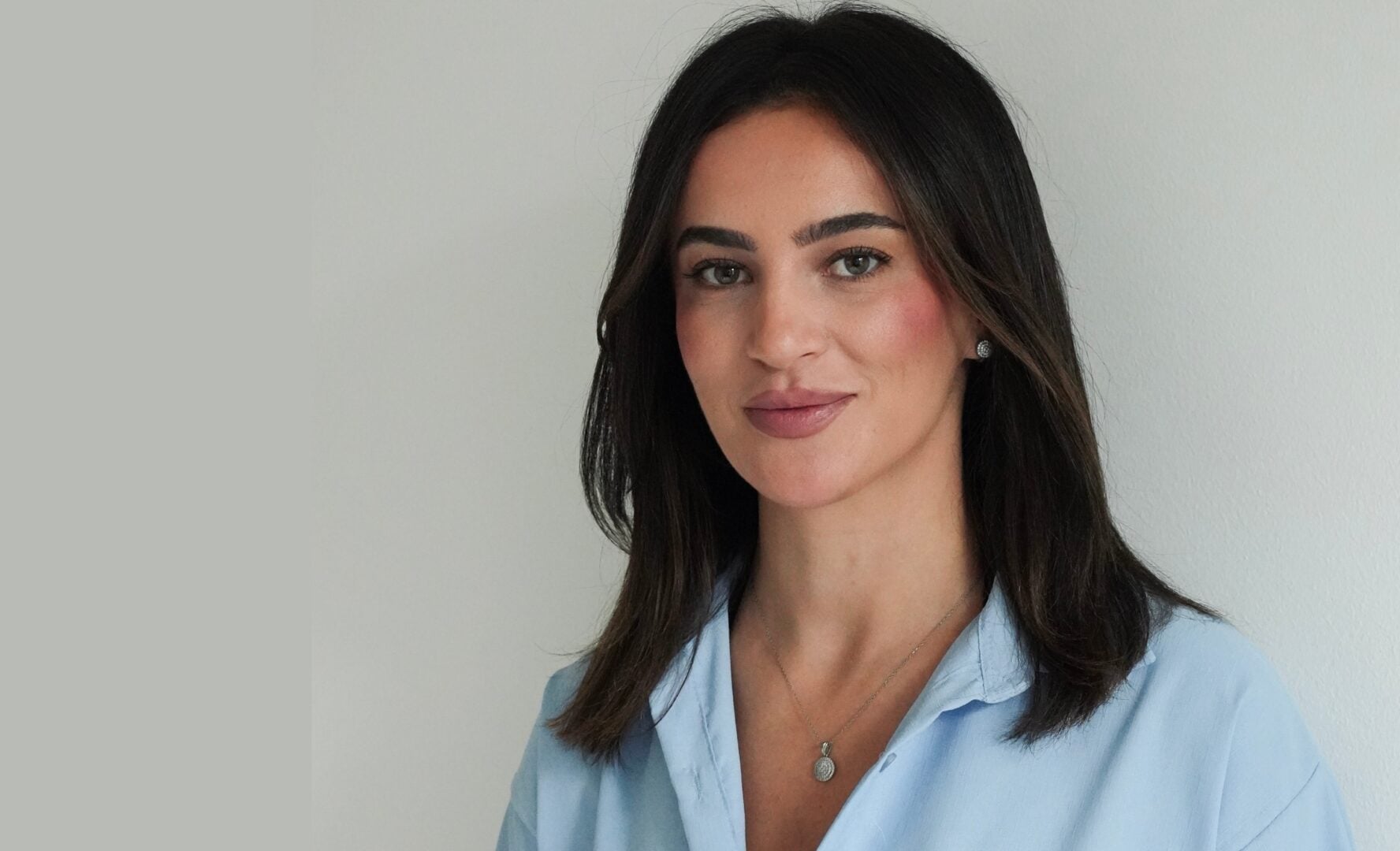
Growing up in Albania, Sonila did not need textbooks to understand emotional pain. She saw it everywhere, in her neighbors, in her community, in the people her family quietly cared for. She was the kind of kid who noticed things other children did not. The tension in a room. The sadness behind someone’s eyes. The way people carried invisible weight and never put it down. That sensitivity did not fade with age. It sharpened. And eventually, it became her life’s work. She moved to the United States, earned her degrees (CADC, LCSW, PsyD), and began working in nonprofit settings in Detroit and inner-city Chicago, places where need was high and resources were low. For years, she showed up for communities that most people overlooked.Building Something Different
After more than two decades in the field, Sonila launched Chicago Psychology Center, not as just another private practice, but as a space designed for people who do not fit neatly into clinical categories. Her clients are not always in crisis. Many of them are navigating the messy, exhausting middle ground of life: relationship struggles, parenting stress, career burnout, grief that does not have a clear starting point. They are the people who seem to have it all together until they do not. “There is a huge need for compassionate support for people who struggle in silence,” Sonila says. “They are not going to ask for help. You have to create a space where they feel safe enough to walk through the door.” Her approach is different from what you might expect. While she values her Western clinical training, she does not stop there. She weaves in Eastern healing practices and Albanian medicinal traditions, treating the whole person and not just the diagnosis. The center also offers services for infants and young children, because Sonila believes deeply that early intervention can change the trajectory of an entire life. She mentors the next generation of clinicians, too, because this work cannot scale if it stays with one person.The Hardest Conversation in the Albanian Community
Here’s a truth that does not get talked about enough: in many Albanian families, mental health is still a taboo subject. There is a deep-rooted mistrust thatis born from historical trauma, war, and generations of learned silence, that keeps people from seeking help. Admitting you are struggling can feel like betraying your family, your culture, your identity. Sonila knows this intimately. And she has spent nearly eight years working to change it. Through her nonprofit, Care for Albania, she has been chipping away at the stigma through community events, educational outreach, and honest conversations. Not with lectures or pamphlets, but by showing up, being vulnerable, and making it okay to talk. And it is working. More Albanian men are seeking support for relationship problems, unresolved grief, and trauma tied to the wars in Kosovo and Albania. Parents are opening up about the pressures they face. People who never would have considered therapy five years ago are now walking through the door. That shift did not happen by accident. It happened because someone was willing to go first.The Struggles Nobody Posts About
Sonila sees the same patterns again and again in her practice and they are not unique to any one culture. Work stress that bleeds into every relationship. The loneliness of being surrounded by people but feeling unseen. The quiet devastation of trying to break cycles your parents and grandparents never even recognized. That last one, generational trauma is something Sonila cares about deeply. She sees clients who are doing the hard, lonely work of being the first person in their family to say, “This pattern stops with me.” It’s courageous. It’s also isolating, because the people around you don’t always understand why you’re changing. Technology plays a role too. Social media, constant connectivity, the pressure to perform a version of your life that does not actually exist; these are not just modern annoyances. For many people, they are genuine sources of emotional harm.How She Builds Trust
If you have ever been hesitant about therapy, if you have ever thought, “That’s not for people like me”, Sonila gets it. She’s not the kind of therapist who sits behind a desk and takes notes while you talk. Her approach is rooted in warmth, consistency, and a willingness to be human first. She treats her clients like family and not in a clinical, detached way, but with the kind of genuine care that makes people feel seen. Confidentiality is not just a policy for her; it’s a promise. And she knows that trust isn’t built in the first session. It’s built over time, through showing up and being real.What You Can Do Today
You don’t have to be in therapy to take care of your mental health. Sonila encourages everyone to build small, intentional habits into their daily routine: Rest when you need to and not when you collapse. Reflect on what you’re feeling, even when it’s uncomfortable. Surround yourself with people who make you feel safe, not just busy. Practice mindfulness, even if it’s just five minutes of quiet before the day starts. These aren’t revolutionary ideas. But doing them consistently? That’s where the real change happens.What’s Next
Sonila isn’t slowing down. She’s expanding into public speaking, workshops, and retreats, taking her message beyond the therapy room and into communities that need to hear it. Her goal isn’t just to help more people. It’s to leave something behind, a ripple effect of healing, awareness, and empowerment that outlasts any single conversation or session. “At this stage in my life,” she says, “I’m deeply committed to leaving a lasting impact by encouraging others to find their own paths to healing.” Sonila Sejdaras, PsyD, LCSW, CADC Director & Clinical Psychologist Chicago Psychology Center Chicago, Illinois www.chicagopsych.org Discover more inspiring Albanian-owned businesses in the ALB Connection directory, and submit your own story to be featured next.Frequently Asked Questions
Who is Sonila Sejdaras?
Sonila Sejdaras is an Albanian-born clinical psychologist based in Chicago with over 20 years of experience. She specializes in mental health, trauma, and addiction counseling while actively working to break stigma in the Albanian community.
What is Chicago Psychology Center?
Chicago Psychology Center is a therapy practice founded by Sonila Sejdaras, offering holistic mental health services that combine Western psychology with Eastern and cultural healing approaches. Why is mental health taboo in Albanian culture? Mental health stigma in Albanian communities often stems from historical trauma, war experiences, and cultural norms that discourage open discussions about emotional struggles. What is Care for Albania? Care for Albania is a nonprofit organization founded by Sonila to promote mental health awareness and reduce stigma through community outreach and education. What types of clients does she work with? She works with individuals facing stress, burnout, relationship issues, trauma, grief, and generational challenges, often people who appear “fine” externally. How does she approach therapy differently? Her approach integrates clinical psychology with mindfulness, Eastern practices, and Albanian traditions, focusing on the whole person rather than just symptoms. What is generational trauma? Generational trauma refers to emotional patterns and unresolved pain passed down through families, often without conscious awareness.
How can someone start improving their mental health today?
Small steps like resting intentionally, reflecting on emotions, practicing mindfulness, and building supportive relationships can make a significant difference over time.

Author: Val Demiri
Valbona is an editor and writer at ALB Connection, where she covers the people, businesses, and culture shaping the Albanian diaspora. A journalism graduate of the University of Iowa, her work spans community profiles, success stories, and features on Albanian life across the US, Europe, and beyond. She is drawn to stories that celebrate Albanian achievement and keep the community connected across borders.