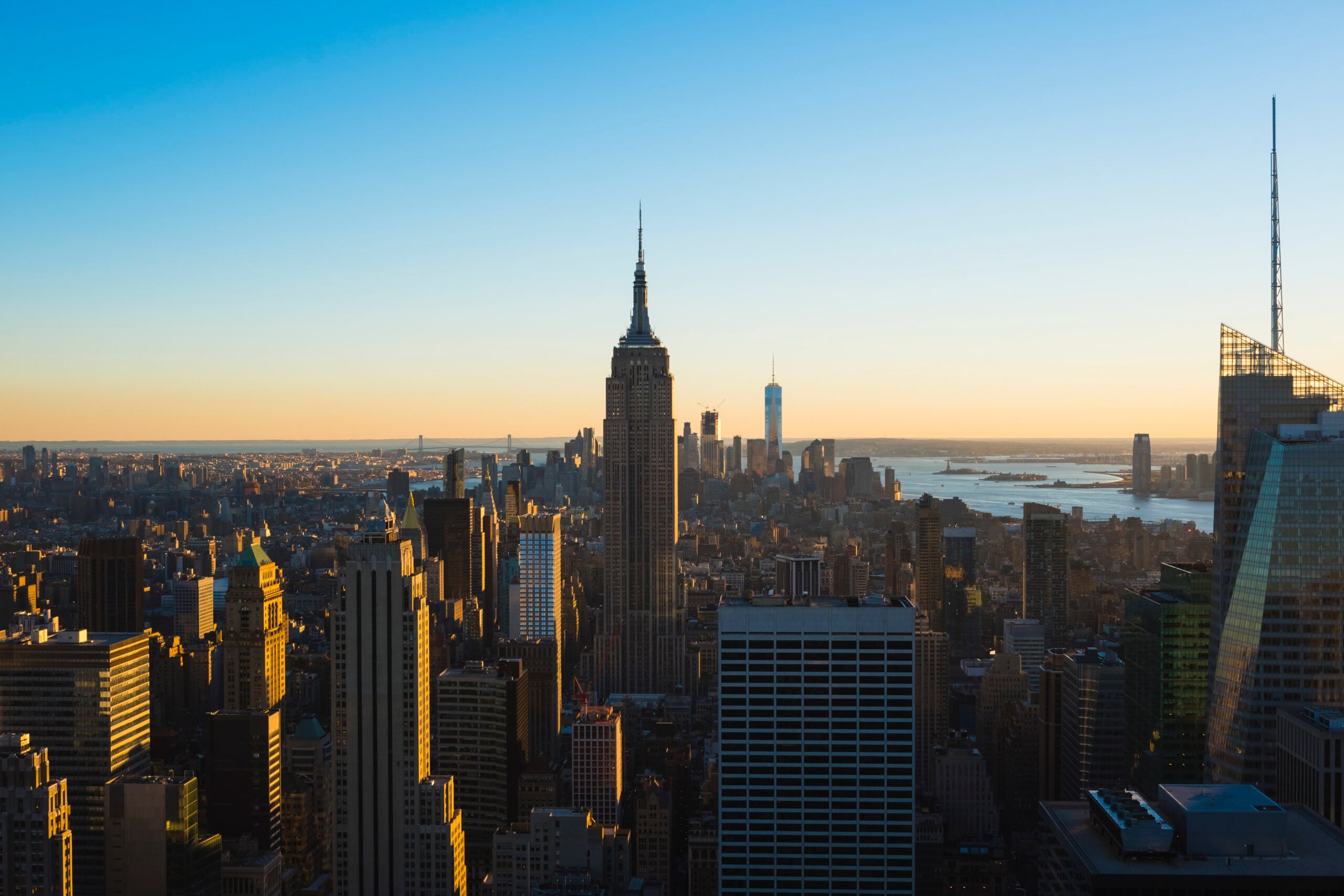
- The New York City metro area (especially the Bronx and Brooklyn) has the largest Albanian American population in the country
- Macomb County in Michigan, led by the city of Sterling Heights, has the largest Albanian ancestry count of any U.S. county, and Metro Detroit is the second-largest metro community
- Massachusetts (Boston area) and parts of Florida also host notable populations
- Albanian Americans are one of the oldest Albanian diaspora communities in the world, with roots going back to the early 1900s
- The community is growing, driven by post-1990 immigration waves after Albania’s communist era ended
- New York (especially the Bronx, Brooklyn, and Staten Island)
- Michigan (Metro Detroit, led by Macomb County and Sterling Heights)
- Massachusetts (Boston metro)
- New Jersey, Connecticut, and Illinois
- Florida (a fast-growing community in Jacksonville, Tampa Bay, and South Florida)
A Brief History of Albanian Immigration to the U.S.
Albanians began arriving in the United States in significant numbers in the late 19th and early 20th centuries, settling in Massachusetts (Boston and Worcester), New York, and parts of the Midwest. Many came seeking economic opportunity, fleeing instability, or escaping Ottoman rule. The community grew again dramatically after 1991, when Albania’s communist government collapsed. A new wave of Albanians, as well as Kosovar Albanians displaced by the 1998 to 1999 Kosovo War, resettled across the U.S. This second wave is largely responsible for the robust Albanian American communities visible today. According to the U.S. Census Bureau American Community Survey, Albanian ancestry is reported by 228,504 Americans in the official count (5-year estimates, 2020 to 2024, Table B04006), up from 172,149 in the 2006 to 2010 estimates. Community organizations and researchers frequently estimate the true number, including those who do not self-report Albanian ancestry, is higher than the Census ancestry count, because it excludes ethnic Albanians who report their origin as Kosovo, North Macedonia, or Montenegro, along with many second- and third-generation Albanian Americans who no longer report ancestry.The Top Albanian American Communities by Region
New York: The Heart of the Albanian Diaspora
New York is home to the largest and most established Albanian American community in the country. The Bronx, particularly the Arthur Avenue area and surrounding neighborhoods, has long been associated with Albanian life, as has Bay Ridge in Brooklyn and Staten Island. The New York metro area offers Albanian-language media, cultural organizations, mosques, Orthodox churches serving Albanian congregations, and a growing network of Albanian-owned businesses. The Albanian American National Organization (AANO) and other advocacy groups are active in the region. ALB Connection Community Spotlight: Hundreds of Albanian-owned businesses in the New York metro area are listed in our ALB Connection Directory, from restaurants and law firms to real estate agencies and healthcare providers. Browse them to find trusted community businesses in your area.Michigan: A Quiet but Deep-Rooted Presence
Michigan, especially the Metro Detroit region, is home to one of the most concentrated Albanian communities outside New York. Sterling Heights, Shelby Township, Macomb Township, and Troy have the largest Albanian American populations, with community centers, cultural associations, and places of worship anchoring the community. Michigan’s Albanian community has roots going back decades and includes both Albanian- and Kosovar Albanian-origin families.Massachusetts: Boston and Beyond
Massachusetts was actually one of the earliest states to host Albanian immigrants. Boston, Worcester, and surrounding towns have Albanian American populations with deep roots, including some of the oldest Albanian Orthodox churches in the country. The Albanian Orthodox Diocese of America, headquartered in Boston, serves as a major religious and cultural institution for Albanian Christians across the U.S. (Albanian Orthodox Diocese of America).New Jersey and Connecticut
Both states benefit from proximity to New York City and have sizable Albanian communities, particularly in northern New Jersey (Bergen and Passaic counties) and in Connecticut around Waterbury and Hartford. Many Albanian Americans commute into New York while living in these states.Florida
Florida has emerged as a growing destination for Albanian Americans, particularly retirees and second-generation families relocating from the Northeast. Jacksonville and the Tampa Bay area are the largest centers, each with a little over 5,000 residents of Albanian ancestry in the Census Bureau count, and South Florida has also grown in recent years.Local Angle: Why These Cities?
Albanian Americans have historically clustered in cities with:- Manufacturing and trade economies (Detroit, Worcester, New York)
- Large immigrant-friendly urban infrastructure (New York, Boston, Chicago)
- Pre-existing community networks, chain migration means families follow families
Albanian Americans by the Numbers
While comprehensive, ethnicity-specific census data on Albanians can be limited because the U.S. Census tracks national origin but Albanian ancestry reporting varies, here is what credible sources indicate:- The U.S. Census Bureau ACS data shows Albanian ancestry reported by 228,504 individuals (5-year estimates, 2020 to 2024, Table B04006; margin of error plus or minus 8,279)
- The count is a floor: ancestry is self-reported and optional, only two ancestries per person are tabulated, and many ethnic Albanians are recorded under Kosovo, North Macedonia, or Montenegro. A 2015 Harvard Growth Lab study cites an unofficial estimate by Nazi (2000) of 250,000 to 500,000 Albanian Americans
- New York State consistently has the highest number of Albanian ancestry respondents in Census data
- Michigan (26,598) and Massachusetts (21,625) follow New York (56,959), then New Jersey (18,304), Florida (17,470), Illinois (15,370), Connecticut (10,825), and Pennsylvania (10,430)
ALB Connection Community Spotlight
Looking to connect with Albanian American professionals, businesses, or community organizations in your city? ALB Connection is building the most comprehensive directory of Albanian-owned businesses and professionals across the United States. Browse Albanian American professionals and businesses near you or submit your own business to get featured.Conclusion
The Albanian community in the United States is vibrant, geographically spread, and deeply rooted in cities from New York to Michigan to Massachusetts. Whether your family has been here for generations or you arrived more recently, the Albanian American diaspora has built something enduring in this country. Want to find Albanian-owned businesses, professionals, or community resources near you? Browse the ALB Connection Directory to discover your local Albanian American community. Stay connected with Albanian American news, culture, and business by subscribing to the ALB Connection newsletter. And if you own a business or work in a profession you are proud of, submit your listing to be featured and found by thousands of community members across the U.S. This article draws on publicly available U.S. Census Bureau data, Migration Policy Institute research, and information from established Albanian American community organizations. Population estimates beyond Census self-reported figures represent community organization estimates and should be understood as approximations.Frequently Asked Questions
Where do most Albanians live in the United States?
The largest concentration of Albanian Americans is in the New York City metropolitan area, particularly in the Bronx, Brooklyn, and Staten Island. Michigan (Metro Detroit) and Massachusetts (Boston area) also have significant communities. These three metro areas account for just under half of the Albanian American population in the Census Bureau count (about 107,500 of 228,504).
How many Albanians live in the United States?
U.S. Census Bureau data records 228,504 people reporting Albanian ancestry (American Community Survey 5-year estimates, 2020 to 2024, Table B04006). However, community organizations and researchers believe the true total is higher than the Census ancestry count, since it excludes Kosovar Albanians and those who do not report Albanian ancestry, though no official source gives a count above the Census figures.
When did Albanians start immigrating to the United States?
Albanian immigration to the U.S. began in the late 1800s and accelerated in the early 1900s. A second major wave occurred after 1991 when Albania’s communist government collapsed, and again during the 1998-1999 Kosovo War when many Kosovar Albanians sought refuge in the U.S.
Is there an Albanian neighborhood in New York City?
Yes. The Arthur Avenue area of the Bronx has a long-standing Albanian presence, and neighborhoods in Brooklyn and Staten Island also have notable Albanian American communities. You will find Albanian restaurants, businesses, and cultural institutions in these areas.
Are there Albanian community organizations in the U.S.?
Yes. Notable organizations include the Albanian American National Organization (AANO), the Albanian Orthodox Diocese of America (headquartered in Boston), and numerous regional cultural associations. These groups support cultural preservation, political advocacy, and community services.
What language do Albanian Americans speak at home?
Many Albanian Americans, particularly first-generation immigrants, speak Albanian (either Gheg or Tosk dialects) at home. English is widely spoken across generations, and second- and third-generation Albanian Americans are often bilingual or primarily English-speaking.
Do Albanians from Kosovo and Albania live in the same communities?
Often, yes. Kosovar Albanians and Albanian Albanians frequently share the same diaspora neighborhoods, cultural events, and community organizations in the U.S., though distinctions in dialect and national origin are recognized within the community.

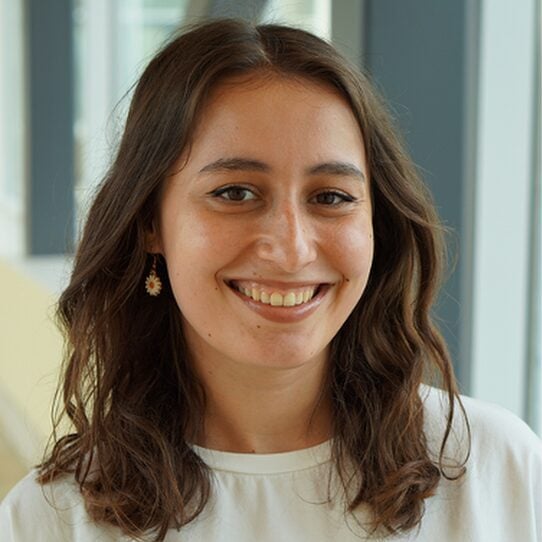
Author: Dardanë Halimi
Dardanë Halimi is a writer and communications professional with an M.A. in Writing, Rhetoric, and Technical Communication from James Madison University. Her work focuses on storytelling, digital content, higher education, and strategic communication, with experience writing for academic, nonprofit, and marketing organizations in both the United States and Kosovo.