

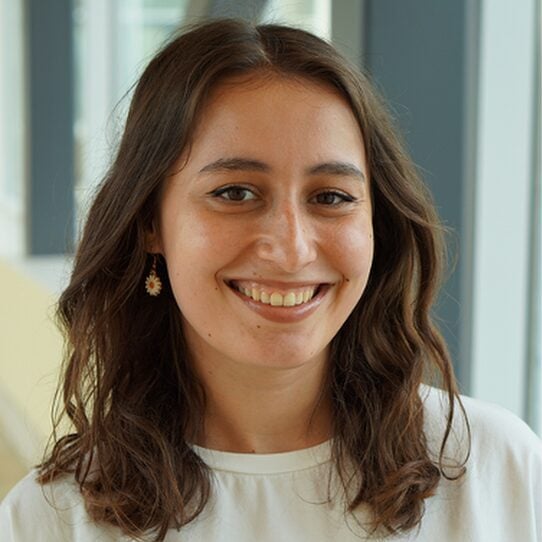
- Rifat Latifi is a trauma and critical care surgeon.
- Born in 1955 in Kllodernica, in the Skenderaj municipality of Kosovo (per Wikipedia).
- Studied medicine at the University of Prishtina before continuing training in the United States.
- Has held senior surgical positions at US academic medical centers, including the University of Arizona and Westchester Medical Center.
- Leads the International Virtual e-Hospital (IVeH) and helped create national telemedicine programs in Kosovo (2002), Albania (2007), and Cabo Verde (2012).
- Served as Kosovo’s Minister of Health from November 2021 to October 2022.
- Author or co-author of more than 300 peer-reviewed articles, more than 140 book chapters, and 20 books, according to his conference biography.
Origins in Kosovo
According to Wikipedia, Rifat Latifi was born in 1955 in the village of Kllodernica, in the Skenderaj municipality of the Drenica area in central Kosovo, and completed his secondary education in Prishtina. He grew up in Yugoslav-era Kosovo, when ethnic Albanians faced significant restrictions in public and educational life. Despite these constraints, Latifi pursued medical training at the University of Prishtina, then the main medical school for Kosovar Albanians, and earned his MD there in 1982.Coming to the United States
Latifi emigrated to the United States in 1985. He first worked as a researcher in Houston, Texas, and at Pennsylvania Hospital in Philadelphia, then completed his surgical residency at the Cleveland Clinic and Yale University, followed by a fellowship in trauma and surgical critical care at Lincoln Hospital in the Bronx, affiliated with New York Medical College. His US trajectory carried him through several leading medical centers. At the University of Arizona in Tucson he became a professor of surgery and, in 2004, set up the Southern Arizona Telemedicine and Telepresence (SATT) program, Arizona’s first teletrauma and telepresence program. From 2011 to 2014 he was medical director of the Hamad Trauma Center at Hamad General Hospital in Doha, Qatar. In 2016 he joined Westchester Medical Center in Valhalla, New York, as director of the Department of Surgery, and he served as chairman and professor of surgery at New York Medical College. He held the Westchester post until 2021. His clinical focus, trauma surgery and surgical critical care, is one of the most demanding fields in medicine, requiring rapid decision-making and multi-organ management under emergency conditions. He is a Fellow of the American College of Surgeons and served as president of its Arizona Chapter.The Telemedicine Innovation
Latifi’s most distinctive contribution to global medicine has been in telemedicine. Kosovo’s small size, limited number of specialists, and rural geography meant that patients outside the capital often could not access expert medical care, and physicians in regional hospitals faced complex cases without ready specialist consultation. According to his conference biography at Hamad Medical Corporation, Latifi created national telemedicine programs in Kosovo in 2002, in Albania in 2007, and in Cabo Verde in 2012, and was a principal of a telemedicine effort in Vietnam in 2014. He is president and CEO of the International Virtual e-Hospital (IVeH), the organization behind this work. The programs offered a model for how diaspora medical expertise could be systematically applied to strengthen the home country’s health system. These programs link hospitals in the participating countries with specialists at home and abroad, so that physicians in smaller cities can consult experts on complex cases.Health Minister of Kosovo
On 16 November 2021, Latifi was appointed Kosovo’s Minister of Health, a position few US-based physicians would consider. He resigned on 6 October 2022, after less than a year in office. His tenure represented a serious effort to bring diaspora expertise into direct policy-making. According to his conference biography, as minister he set out seven pillars for transforming the health system and initiated 15 clinical centers and programs of excellence and 22 clinical fellowships. After leaving office he returned to surgical practice in Arizona: a 2023 biography lists him as a trauma and general surgeon at Abrazo Health’s West campus in Phoenix and an adjunct professor of surgery at the University of Arizona.Academic and Research Contributions
Latifi has published more than 300 peer-reviewed articles, more than 140 book chapters, and 20 books, according to his conference biography, covering:- Trauma surgery and critical care
- Abdominal wall reconstruction
- Telemedicine implementation and outcomes
- Medical education and international training
- Global surgery and health systems in resource-limited settings
Community Impact
Beyond his clinical and academic work, Latifi has been active in building surgical institutions in Kosovo: in 2018 he became the founding president of the Kosova College of Surgeons, and he has used his position to raise awareness of Kosovar health challenges in the broader medical world. For younger Kosovar Albanians pursuing medical careers, both in the diaspora and back home, he represents a model that many find inspirational: a physician who reached the top of American academic medicine and then used that position to strengthen his country of origin. This is a distinct diaspora success template, different from the “assimilation and rise” narrative common in earlier generations. Latifi’s story is one of bringing capacity back rather than leaving it behind.Recognition
Latifi is a Fellow of the American College of Surgeons (FACS) and of the International College of Surgeons (FICS), and a Fellow and founding president of the Kosova College of Surgeons. He received the 2015 American College of Surgeons/Pfizer International Surgical Volunteerism Award. His work has been profiled in Kosovar, Albanian, and international media. Sources: Hamad Medical Corporation speaker biography (2023); Wikipedia: Rifat Latifi.Frequently Asked Questions
Who is Rifat Latifi?
Rifat Latifi is a trauma and critical care surgeon, medical educator, and telemedicine pioneer. He has held senior surgical positions at US academic medical centers, including the University of Arizona and Westchester Medical Center, and leads the International Virtual e-Hospital (IVeH), which helped create national telemedicine programs in Kosovo, Albania, and Cabo Verde.
Where was Rifat Latifi born?
According to Wikipedia, he was born in 1955 in Kllodernica, a village in the Skenderaj municipality of Kosovo. He earned his medical degree at the University of Prishtina in 1982 before continuing surgical training in the United States.
What is the International Virtual e-Hospital?
The IVeH is a telemedicine organization led by Latifi. It is behind national telemedicine programs in Kosovo (2002), Albania (2007), and Cabo Verde (2012), which allow physicians in smaller cities to consult with specialists on complex cases.
Was Rifat Latifi Kosovo’s Minister of Health?
Yes. He was appointed Kosovo’s Minister of Health on 16 November 2021 and resigned on 6 October 2022. His tenure was short, but it represented a serious effort to bring diaspora medical expertise directly into Kosovar health policy.
What is Rifat Latifi’s medical specialty?
Trauma surgery and surgical critical care. He completed a fellowship in trauma and surgical critical care and has published widely on these fields, as well as on complex abdominal wall defects and telemedicine.
Where does Rifat Latifi work?
He has held clinical and academic positions at several US and international medical centers, including the University of Arizona, Hamad General Hospital in Qatar, and Westchester Medical Center in Valhalla, New York, where he directed the Department of Surgery from 2016 to 2021 while chairing surgery at New York Medical College. A 2023 biography lists him as a trauma and general surgeon at Abrazo Health’s West campus in Phoenix and an adjunct professor of surgery at the University of Arizona.
Why is Rifat Latifi important to the Albanian-American community?
He is one of the most internationally recognized Albanian-American physicians of his generation. His combination of top-tier clinical work in the United States and sustained engagement with Kosovar health development through telemedicine and ministerial service offers a distinctive model of diaspora contribution, one that keeps professional ties active to the home country.
How has telemedicine changed care in Kosovo?
Telemedicine has expanded access to specialist consultations in smaller Kosovar cities that previously had to rely on referrals to Prishtina or abroad. Latifi’s national telemedicine program in Kosovo, started in 2002, is one of the earliest examples of this model in the region.
Related Reading
- Adem Jashari: The Symbol of Kosovo’s Fight for Freedom
- Ekrem Bardha: Detroit’s Albanian Community Builder
- Ferid Murad: Albania’s Nobel Prize Laureate
- Kosovo Independence Day: February 17, 2008 Explained
- Pristina Things to Do: 15 Best Sights & Experiences
- How Many Albanians Live in the US?

Author: Dardanë Halimi
Dardanë Halimi is a writer and communications professional with an M.A. in Writing, Rhetoric, and Technical Communication from James Madison University. Her work focuses on storytelling, digital content, higher education, and strategic communication, with experience writing for academic, nonprofit, and marketing organizations in both the United States and Kosovo.



