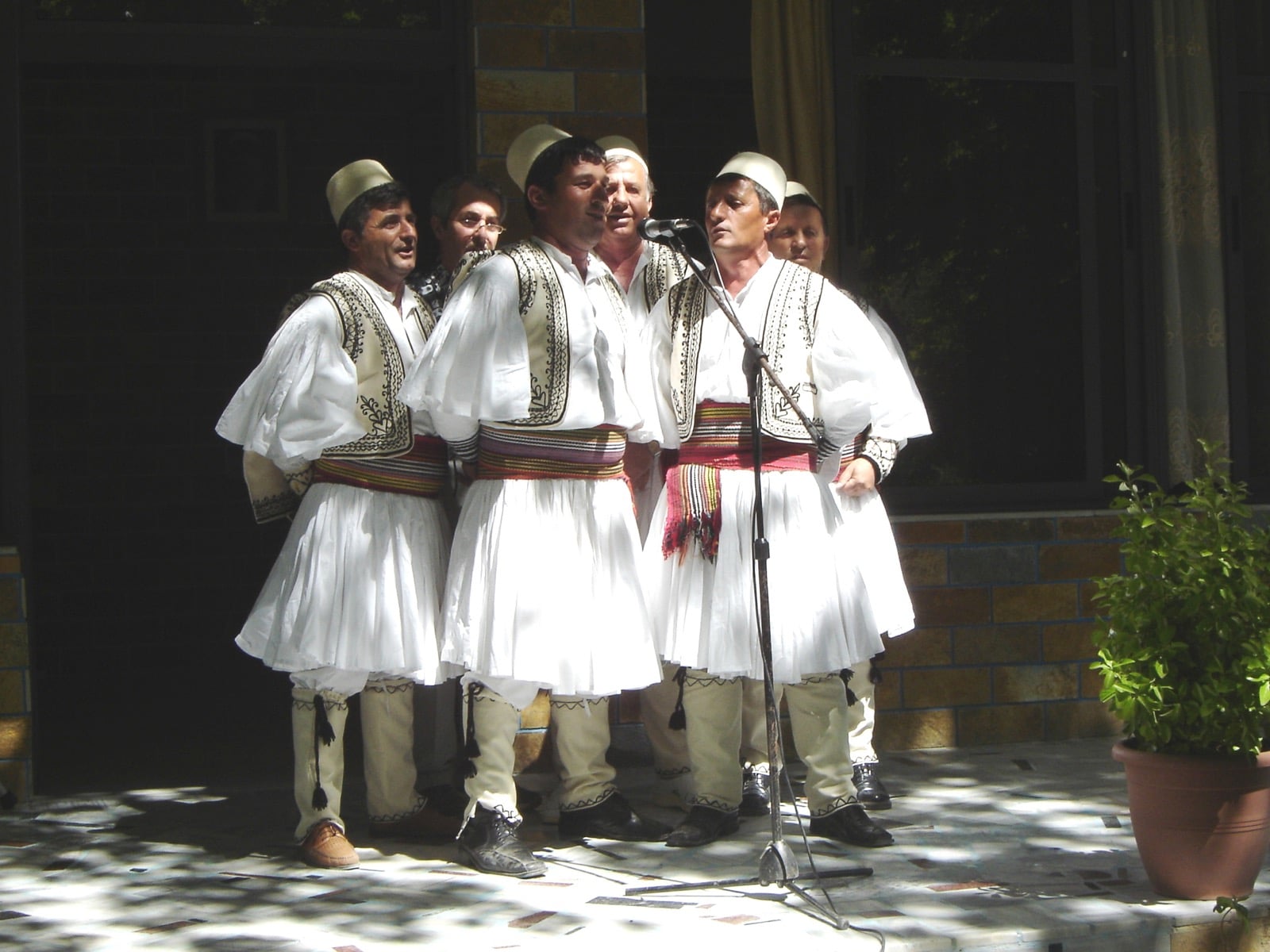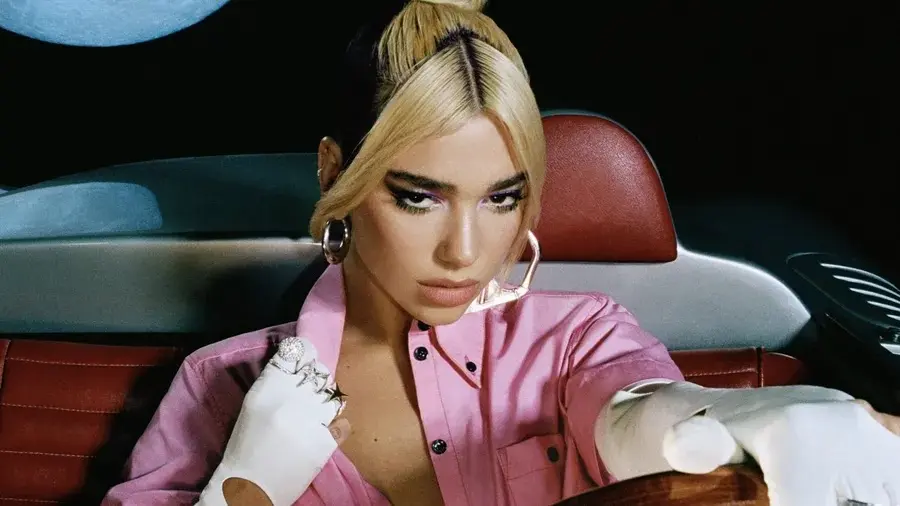
- Albanian weddings feature a mix of traditional valle songs and modern Balkan hits
- Common picks include the Tropoja valle, Shota, Çaje Shukarije, and modern hits by artists such as Elvana Gjata and Era Istrefi
- The valle (circle dance) is the centerpiece of most dasma celebrations
- Many weddings combine a live band for the valle with a DJ for the rest of the night
- Wedding playlists should include songs from Albania, Kosovo, and diaspora artists
What Songs Play at Every Albanian Wedding?
Many Albanian weddings feature the Tropoja valle (Vallja e Tropojës), Shota, the Romani classic Çaje Shukarije, and traditional songs for the bride (këngë për nusen) when the bride is brought in. These songs cross regional lines and are heard among Albanians from Albania, Kosovo, North Macedonia, and the diaspora. Most weddings mix a long block of traditional valle music with contemporary Albanian pop hits by artists like Elvana Gjata, Dhurata Dora, and Era Istrefi.The Essential Albanian Wedding Songs
Traditional Valle Songs You’ll Hear at Every Dasma
1. Valle Tropojane (Vallja e Tropojës) Dance tunes from Tropojë in the northern highlands are a fixture at many weddings, and when one starts, most guests head for the floor. The region’s k’cimi dancing was added to UNESCO’s Representative List of the Intangible Cultural Heritage of Humanity in 2024; see our guide to Albanian dances. 2. Çaje Shukarije Not an Albanian song at all: “Čhaje Šukarije” (Beautiful Girl) is a Romani song made famous by Esma Redžepova of North Macedonia, who recorded it in the early 1960s. It has been adopted as a popular Albanian wedding number, especially among families from Kosovo and North Macedonia. The infectious rhythm makes it easy for non-Albanian guests to join in. 3. Shota This high-energy dance from Kosovo and northern Albania is often danced in pairs, with fast steps and strong drumming. Shota has a long stage history too: a professional ensemble named after it was founded in Prishtina in 1950, and singers such as Adelina Ismaili have recorded songs titled “Shota.” 4. Valle Prizreni / Valle Gjakove These Kosovar valle songs bring a slightly different rhythm from Albania-proper traditions. If your family has Kosovar roots, expect these to play during key moments. The instrumentation typically includes accordion alongside clarinet. 5. Lab Songs Southern Albanian (Lab) wedding music has a slower, more melodic quality compared to northern Gheg songs. Popular Lab songs include traditional pieces from the Labëria region, often featuring polyphonic singing.Modern Albanian Wedding Hits
6. Adelina Ismaili Kosovo singer Adelina Ismaili is a long-time wedding favorite, with folk-pop songs such as “Amaneti” and her own “Shota.” For many families her songs bridge traditional and modern dasma music. 7. “Fustani” by Elvana Gjata Released in June 2019 with Kosovo rapper Capital T, this song (“The Dress”) reached number one on Albania’s Top List chart and quickly entered wedding rotation. Its title makes it a natural fit for bridal party moments. 8. “Zemër” by Dhurata Dora Released in 2019 with Algerian rapper Soolking, this international hit mixes Albanian lyrics with contemporary production and often plays later in the evening. 9. “Bonbon” by Era Istrefi Though Era Istrefi is Kosovar-Albanian, her international hit “Bonbon” plays at weddings worldwide. Many Albanian DJs use this as a crossover song that appeals to non-Albanian guests. 10. Festivali i Këngës songs Hits from Albania’s national song festival, run by the broadcaster RTSH since 1962, often find their way onto wedding playlists, especially for slower moments.When Each Song Plays During the Dasma
Understanding the wedding timeline helps you appreciate why certain songs play at specific moments:- Cocktail Hour (Pre-Reception)
- Modern Albanian pop
- Instrumental versions of folk songs
- Slower romantic ballads
- Grand Entrance
- Traditional songs for the bride (këngë për nusen)
- High-energy valle to announce the couple
- Regional-specific entrance songs
- Contemporary Albanian love songs with slower tempos
- Dinner Service
- Background music, often instrumental
- Slower traditional songs
- Romantic ballads by Albanian artists like Aurela Gaçe or Juliana Pasha
- Valle Time (The Main Event) This is when traditional wedding songs dominate:
- Valle Tropojane
- Shota
- Çaje Shukarije
- Regional valle songs based on family origin
- Guest requests for specific traditional pieces
- Late Night (Post-Meal Dancing)
- Mix of modern and traditional
- International dance hits remixed with Balkan beats
- Songs by diaspora artists who blend Albanian and Western styles
Regional Differences in Albanian Wedding Music
Northern Albania (Gheg) vs. Southern Albania (Tosk)
Gheg (Northern) Music Characteristics:- Faster tempo
- Çifteli, sharki and def in village music; clarinet and keyboards in many modern wedding bands
- Aggressive drumming patterns
- Songs like Shota, Valle Tropojane
- Popular in weddings with families from Shkodër, Kukës, Lezhë
- Tosk (Southern) Music Characteristics:
- Slower, more melodic
- Often features polyphonic singing (inscribed by UNESCO in 2008)
- The saze ensemble of clarinet, violin, llautë, def and accordion
- Lab songs and southern valle traditions
- Common in weddings with roots in Gjirokastër, Vlorë, Sarandë
Kosovo vs. Albania Wedding Songs
Kosovo-Albanian weddings tend to feature:- Ottoman-era urban song styles, for example in Prizren and Gjakova
- Valle Gjakove and Prizren-specific dances
- Artists like Adelina Ismaili, Dhurata Dora, and Adelina Berisha
- Slightly different instrumentation, often with more synthesizers in modern songs
- Albania-proper weddings emphasize:
- Regional folk preservation
- Artists from Tirana, Durrës, and regional centers
- Stronger distinction between Gheg and Tosk traditions
- Radio Televizioni Shqiptar (RTSH) festival songs, which often become wedding favorites
Diaspora Additions
Albanian-American and Albanian-European weddings often include:- English-language dance hits between Albanian sets
- Remixed versions of traditional songs with modern production
- Songs by diaspora artists who blend cultural styles
- Spotify and YouTube playlists that mix eras and regions
How to Build Your Albanian Wedding Playlist
Working with Albanian Wedding Bands
Most Albanian weddings feature live music for at least part of the celebration. When booking a band: Questions to Ask:- Do they know your regional songs? (Specify if you want Gheg, Tosk, or Kosovar music)
- What instruments do they use? (Clarinet, accordion, def/tupan drums are essential)
- Can they handle requests on the spot?
- Do they have experience with diaspora weddings where guests may not know all traditions?
- Number of musicians (minimum 3-4 for authentic sound)
- Location (higher in major cities like New York, Chicago, Detroit)
- Band reputation and demand
- Travel requirements
Creating Your DJ Playlist
For portions without live music, work with your DJ to create clear sections: Section 1: Traditional Must-Plays (20-25 songs)- Valle Tropojane
- Shota
- Çaje Shukarije
- Regional-specific songs
- Family requests
- Recent releases from the past 5 years
- Popular artists: Elvana Gjata, Dhurata Dora, Era Istrefi, Tayna
- Crossover hits that became Albanian wedding staples
- For non-Albanian guests
- Balkan hits from neighboring countries (Serbian, Greek, Macedonian songs are often included)
- Universal dance floor fillers
- For any couple dances
- Background during dinner
- Songs by Aurela Gaçe, Elhaida Dani, Rona Nishliu
Digital Resources for Albanian Wedding Music
Spotify Playlists: Search for “Albanian Wedding Songs” or “Dasma” to find pre-made playlists with hundreds of options. Many Albanian DJs and event planners maintain public playlists that receive regular updates. YouTube Channels:- Albanian wedding music compilations often include live performances
- Videos help you visualize how songs fit into the celebration
- Comment sections often have song identification help from other users
- Top Albania Radio features current hits that may become wedding staples
- Regional radio stations from Albania and Kosovo
The Cultural Significance of Valle (Circle Dance)
The valle isn’t just a dance; it’s a physical manifestation of Albanian community and continuity. Understanding its importance helps explain why certain songs trigger immediate participation:Valle Mechanics and Etiquette
How to Join:- Grab the hand of the person at either end of the line
- Follow the footwork of the leader; steps vary by region and by song
- Stay connected to your neighbors throughout the dance
- More experienced dancers typically lead, but everyone is welcome
- When elders join, younger people often step back to give them space
- Men and women traditionally form separate valle lines at some point
- Guests often shower dancers or musicians with cash during peak moments
- The bride and groom typically lead a valle later in the evening
ALB Connection Community Spotlight: Albanian Wedding Musicians in the Diaspora
The Albanian diaspora has produced talented musicians who keep wedding traditions alive while adapting to new contexts. Many Albanian American bands and DJs play weddings across the Northeast, the Midwest and beyond, often blending traditional valle with modern remixes so that every generation stays on the dance floor. Find more Albanian wedding vendors and musicians in the ALB Connection directory.Modern Trends in Albanian Wedding Music
Albanian wedding music continues evolving as new artists emerge and traditions adapt:Current Trends:
1. Hybrid Live/DJ Sets More couples are booking bands for 2-3 hours of prime time (dinner through valle), then transitioning to a DJ for late-night dancing. This balances tradition with budget considerations. 2. Personalized Song Choices Instead of only traditional songs, couples are selecting pieces that reflect their personal story. Songs from first dates, favorite artists, or meaningful lyrics are being incorporated alongside classics. 3. Surprise Performances Some couples arrange for friends or family members to perform, adding personal touches to the musical lineup. Amateur performances of traditional songs have become Instagram-worthy moments. 4. Extended Cocktail Hour Music More attention is being paid to pre-reception music, with acoustic sets or instrumental versions of Albanian songs creating ambiance. 5. Regional Pride Second and third-generation Albanian Americans are actively seeking out songs from their ancestral regions, using resources like Harvard’s Milman Parry Collection of Oral Literature and Albanian heritage organizations to discover traditional music. 6. Social Media Influence TikTok and Instagram Reels have made certain songs go viral within the Albanian community. Songs that create good video content become wedding favorites faster than in previous decades.Songs to Avoid (or Use Carefully)
While most Albanian songs are wedding-appropriate, some considerations: Political or Nationalist Songs: Some traditional songs carry political meanings or regional sensitivities. If your guest list includes Albanians from different backgrounds (Albania, Kosovo, North Macedonia, Montenegro, Greece), consult with family about potentially divisive choices. Overly Sad or Melancholic Songs: Traditional Albanian folk music includes tearful ballads about separation and hardship. Save these for other contexts unless they have specific family significance. Songs About Breakups or Heartache: Modern Albanian pop includes plenty of breakup songs. Screen lyrics before adding to your playlist. Overplayed Songs: Even beloved songs can wear out their welcome. Limit songs like Çaje Shukarije to one play unless specifically requested multiple times.Creating the Perfect Wedding Music Timeline
Sample 6-Hour Reception Schedule:
5:00-5:30 PM: Cocktail Hour- Modern Albanian instrumentals
- Soft background music
- 4-5 songs total
- High-energy entrance song
- A traditional or regional song for the bride
- Welcome announcement music
- Slower romantic songs
- Instrumental versions
- Background volume
- 15-18 songs
- Valle Tropojane
- Shota
- Çaje Shukarije
- Regional-specific songs
- Guest requests
- Live band performs majority
- 20-25 songs
- Modern Albanian hits
- International crossover songs
- DJ takes over
- 12-15 songs
- High-energy mix
- Combination of Albanian and international
- Requests honored
- 15-20 songs
Resources for Finding Albanian Wedding Music
Official Music Platforms: Spotify: Search “Albanian Wedding” or “Dasma” for curated playlists Apple Music: Albanian music category with wedding-specific collections YouTube Music: Extensive Albanian wedding music compilations Cultural & Educational Resources: Milman Parry Collection, Harvard University: Albanian epic songs collected in 1937 UNESCO Intangible Cultural Heritage: Albanian folk iso-polyphony Albanian Media: Top Albania Radio: Current Albanian music hits Radio Televizioni Shqiptar (RTSH): National broadcaster with music archives Regional radio stations from Albania and Kosovo for authentic traditional music Community Resources: Albanian American National Organization (AANO): Cultural events and traditions ALB Connection Directory: Albanian wedding vendors and musicians Albanian cultural centers and churches in your area Wedding Planning Tools: The Knot: Wedding timeline planning WeddingWire: Vendor reviews and music planning Albanian wedding planning Facebook groups for community recommendationsNext Steps: Planning Your Dasma Music
Creating the perfect soundtrack for your Albanian wedding requires balancing tradition, family expectations, and personal taste. Here’s how to move forward: 1. Determine Your Musical Budget Decide how much you’ll allocate to live bands versus DJ services. A full live band generally costs considerably more than a DJ; prices depend on location, date, band size and experience, so collect several written quotes. 2. Consult with Family Ask your parents and grandparents about must-play songs from your family’s region. These conversations often reveal meaningful traditions you’ll want to honor. 3. Research Albanian Wedding Vendors Browse the ALB Connection directory to find musicians, DJs, and event planners who specialize in Albanian weddings in your area. 4. Create a Master Playlist Start building your song list using the categories outlined in this guide. Share it with your band or DJ well in advance so they can prepare appropriate versions. 5. Attend Other Albanian Weddings If possible, attend a few dasma celebrations before yours to observe how music flows throughout the evening and note which songs get the best crowd response.Conclusion: Music That Moves Generations
The songs played at Albanian weddings do more than fill silence between dinner courses. They connect generations, preserve cultural identity, and create moments when everyone from your grandmother to your youngest cousin shares the same dance floor. Whether you’re planning a traditional dasma with hours of live valle or a modern fusion celebration, the music you choose will become part of your family’s story. From the first notes of the valle to the last dance of the evening, these songs transform your wedding from an event into an unforgettable cultural celebration. Ready to plan your Albanian wedding? Browse Albanian wedding vendors in your area Subscribe to the ALB Connection newsletter for more cultural guides and community stories Submit your business to be featured in our growing directory of Albanian servicesFrequently Asked Questions
What is the most popular Albanian wedding song of all time?
There is no official ranking, but valle tunes such as the Tropoja valle and Shota are among the most widely played. They are heard at weddings well beyond their home regions, and the energetic rhythm makes them a reliable way to fill the dance floor.
Do I need a live band or is a DJ sufficient for an Albanian wedding?
While a DJ can certainly handle an Albanian wedding, most traditional families expect at least some live music, particularly for the valle portions of the celebration. A popular compromise is booking a live band for 2-3 hours during peak dancing time, then transitioning to a DJ for the remainder. Live musicians can respond to the energy in the room and take guest requests more flexibly than recorded music.
How many songs should be on my Albanian wedding playlist?
Plan for approximately 80-100 songs for a 6-hour reception, though you likely won’t play them all. This includes 20-25 traditional valle songs, 15-20 modern Albanian hits, 10-15 international crossover songs, and 5-8 slow romantic songs. Having extra ensures your DJ or band can adapt to the crowd’s energy and handle requests without running out of appropriate music.
What’s the difference between Albanian wedding music from different regions?
Northern Albanian (Gheg) wedding music typically features faster tempos and strong drumming, with dances like Shota and the Tropoja valle. Southern Albanian (Tosk) music tends toward slower, more melodic pieces, often with polyphonic singing and a saze band of clarinet, violin, llautë and accordion. Kosovar Albanian weddings include Ottoman-era urban song styles and region-specific valle songs from cities like Gjakovë and Prizren. Understanding your family’s origins helps you select the most meaningful music.
Can non-Albanians enjoy Albanian wedding music?
Absolutely. Many non-Albanian guests report that the infectious energy of songs like Çaje Shukarije and the community feeling of the valle make Albanian weddings incredibly fun, even without understanding the lyrics. Consider including some crossover hits by Albanian artists like Era Istrefi’s “BonBon” that have international appeal, and encourage your DJ or band to welcome everyone into the valle, regardless of their background or dancing ability.
Should I include songs in English at my Albanian wedding?
This depends on your guest makeup and personal preference. If you have many non-Albanian guests, including some English-language dance hits (10-15% of your playlist) ensures everyone feels welcome on the dance floor. However, traditional families may prefer keeping the music exclusively Albanian. Many couples compromise by playing international songs later in the evening after the main traditional portions are complete.
How do I find authentic Albanian wedding musicians in my area?
Start by asking family and friends for recommendations from weddings they’ve attended. The ALB Connection directory lists Albanian wedding vendors by location. You can also search for “Albanian wedding band” plus your city name on social media platforms, where many musicians post performance videos. Albanian community centers, churches, and cultural organizations often maintain lists of recommended vendors.
What song plays when the Albanian bride enters?
There is no single bridal entrance song. Albanian folk tradition is rich in songs for the bride (këngë për nusen), and many families have specific songs from their ancestral area that traditionally accompany her. Modern couples sometimes choose contemporary romantic Albanian songs instead. Discuss with your family about any traditional expectations, as the bridal entrance is often one of the most emotionally significant musical moments of the reception.
Disclaimer This article provides cultural and musical information about Albanian wedding traditions. Music selection is a personal choice that should reflect your family’s preferences and regional background. Pricing information for musicians and bands represents general ranges and varies significantly by location, date, and vendor experience. Always obtain detailed quotes from multiple vendors before making booking decisions. While we’ve made every effort to include accurate cultural information, Albanian traditions vary by region and family. Consult with your family members about specific customs meaningful to your heritage.
Author: Dardanë Halimi
Dardanë Halimi is a writer and communications professional with an M.A. in Writing, Rhetoric, and Technical Communication from James Madison University. Her work focuses on storytelling, digital content, higher education, and strategic communication, with experience writing for academic, nonprofit, and marketing organizations in both the United States and Kosovo.