Traveling to Kosovo is straightforward for Americans. US citizens need only a valid passport and no visa for stays of up to 90 days in a six-month period, according to the US State Department. Most visitors fly into Prishtina International Airport “Adem Jashari” (PRN) through a European hub, or take one of the daily buses from Tirana in Albania. Kosovo uses the euro. The top places to visit are Pristina, Prizren, Peja and the Rugova Valley, and the best weather is in May to June and September to October.
Kosovo is one of Europe’s most underrated travel destinations, a young, vibrant country where centuries of Ottoman heritage, natural mountain scenery, and a warmly proud Albanian culture meet modern cafes and a famously generous hospitality. Whether you are planning a week-long Balkan road trip or a quick city break, this Kosovo travel guide for 2026 covers everything you need: entry rules, getting there, getting around, top sights, a sample itinerary, budget tips, and the regions you should not miss.
Is Kosovo Worth Visiting? The Short Answer
Kosovo is a safe, affordable, and rewarding destination for 2026. US and EU citizens do not need a visa for stays under 90 days. The country uses the euro, making budgeting simple, and top highlights include Pristina, Prizren, the Rugova Valley, and the Accursed Mountains.
TLDR
- No visa required for US, UK, EU, and most Western passport holders (up to 90 days)
- Currency is the euro, and Kosovo is one of the cheaper euro-using destinations in Europe
- Pristina and Prizren are the must-visit cities; Rugova Valley is the top nature destination
- The US State Department rates Kosovo at Level 2 (Exercise Increased Caution); four northern municipalities are Level 3
- Getting around is easy by bus; Pristina to Prizren takes about 1 hour 45 minutes and costs around 5 euros
- From Tirana, about 25 buses a day run to Pristina, taking around 4 hours
- Kosovo is not part of Schengen, so time spent here does not count toward your 90-day Schengen allowance
- Tap water is not considered safe to drink; buy bottled water
Kosovo at a Glance
Kosovo declared independence from Serbia on February 17, 2008, making it one of the world’s youngest nations. Despite its small size (roughly 10,900 square kilometers, a little larger than Delaware), it packs an extraordinary amount of history, culture, and natural beauty. The population is predominantly Albanian, with Serbian, Bosniak, Turkish, Roma, Ashkali and Egyptian communities. Albanian and Serbian are both official languages, and English is widely spoken among younger Kosovars, especially in cities. For more context on Kosovo’s recognition status globally, read our guide on which countries recognize Kosovo.
| Kosovo travel basics | Details |
|---|---|
| Capital | Pristina (Prishtina in Albanian) |
| Visa for US citizens | Not required for up to 90 days in a 6-month period |
| Passport | Must be valid for your whole stay |
| Currency | Euro (EUR) |
| Main airport | Prishtina International Airport “Adem Jashari” (PRN) |
| Languages | Albanian and Serbian (official); English common among younger people |
| Time zone | Central European Time, 6 hours ahead of Washington, DC |
| Emergency number | 112 |
| Power | 230V/50Hz, Type C and F plugs |
| US travel advisory | Level 2 overall; Level 3 for the North Kosovo area (August 25, 2026) |
Visa and Entry Requirements
According to the US State Department, American citizens can enter Kosovo without a visa for stays up to 90 days within a 6-month period. You need a valid passport; the State Department says it must be valid at the time of entry, and the UK government says it must be valid for the length of your stay, with no extra validity required. Border officers may ask for documents showing the reason for your visit. Cash of 10,000 euros or more must be declared on entry and exit. EU citizens can enter using a valid biometric national ID card or passport for the same 90-day period. Kosovo is not part of the Schengen Area, so your time in Kosovo does not count against your Schengen 90-day allowance.
Since March 15, 2026, Kosovo authorities have enforced a registration requirement: all foreign visitors must report their address at the border or the nearest police station within three days of entry or any change of address. The State Department notes that hotels must register guests on their behalf, but if you stay in a private home or Airbnb, confirm that your host registers you.
Traveling on to Serbia? If you enter Kosovo from anywhere other than Serbia (including by air into Pristina), Serbia will not let you cross directly from Kosovo into Serbia. Go through a third country such as North Macedonia. Our Kosovo safety guide explains the entry-stamp rule in detail.
Getting to Kosovo
By air
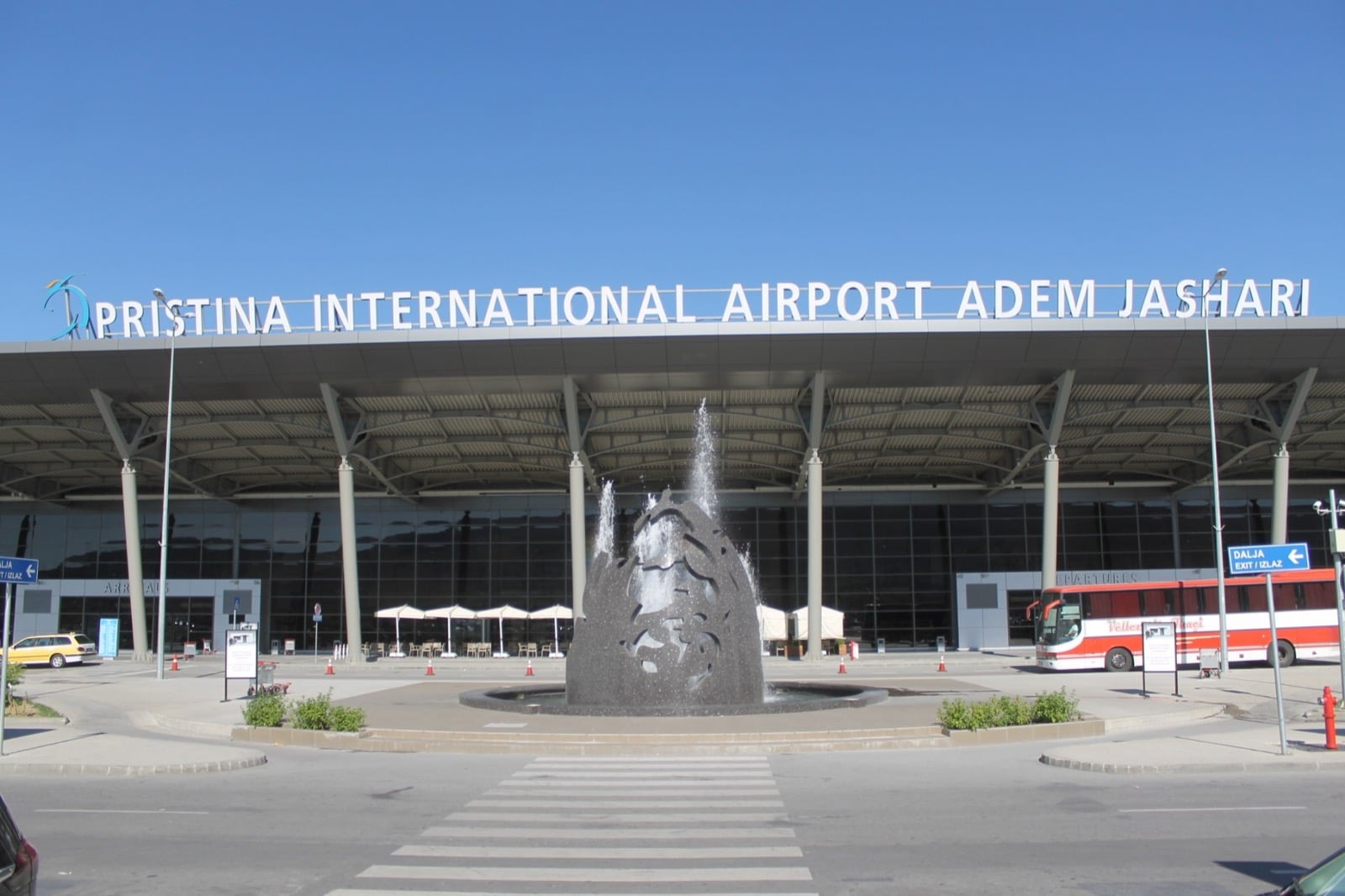
Prishtina International Airport Adem Jashari (PRN) is the main gateway. It handled 4.6 million passengers in 2025, a 13% increase on 2024, according to Kosovo’s Civil Aviation Authority. Its busiest routes were to Basel, Zurich and Düsseldorf, reflecting the large Kosovo diaspora in Switzerland and Germany. The leading carriers in 2025 included GP Aviation, easyJet, Chair Airlines, Pegasus Airlines, Eurowings and Edelweiss. There are no nonstop flights from the United States; travelers from the US connect through a European or Turkish hub. The same report lists New York (JFK), Newark and Chicago among the top long-haul onward destinations for passengers connecting from Prishtina.
By bus from Tirana
Flying into Tirana and taking the bus is a popular and often cheaper option. Booking site Gjirafa Travel lists about 25 daily buses between Pristina and Tirana, from 00:05 to 23:30, taking about 4 hours (257 km) for around 20 euros. In Tirana, Kosovo buses use the East Terminal (Terminali Lindor). There are also direct buses between Pristina and Tirana International Airport: about 23 departures a day, taking around 3 hours 40 minutes, also around 20 euros. The route uses the motorway through the Vërmica/Morina border crossing; allow extra time in summer, when the FCDO reports delays at the border.
Overland from other neighbors
You can also enter overland from North Macedonia (Hani i Elezit/Blace crossing, the usual route from Skopje), Montenegro, or Serbia (Merdare). Bus connections from Skopje and Belgrade are regular and affordable. Remember the Serbia rule above if you plan to continue to Serbia afterward.
Getting Around Kosovo
Kosovo has a reliable and very affordable bus network connecting all major towns. Pristina’s central bus station runs frequent departures to Prizren (about 43 a day, roughly every 20 minutes, about 1 hour 45 minutes, around 5 euros), Peja (about 33 a day, roughly 1 hour 25 minutes), Ferizaj, and Gjakova. Rail service is very limited: the State Department notes only one line operating, between Peja and Pristina. Taxis are cheap by European standards; use registered taxi companies with meters, or agree on a price before getting in. The UK government notes that international ride-hailing apps are not available in Kosovo, though some local taxi firms have their own apps. Car rentals are available at the airport and are recommended for reaching places like the Rugova Valley or remote monasteries, where public transport is limited. You need local third-party insurance; the European green card is not valid in Kosovo.
Currency, Cards and Costs
Kosovo uses the euro as its currency even though it is not a member of the EU or the eurozone. US dollars are not used in daily life, so withdraw euros from ATMs, which are widely available in cities. The UK government advises using ATMs inside banks where possible. Carry cash for buses, small cafés, markets and mountain areas.
Top Destinations in Kosovo
Pristina
Kosovo’s lively capital is a city of contrasts: communist-era concrete blocks standing next to boutique cafes and glass office towers. The iconic NEWBORN monument, unveiled on independence day in 2008, gets a new design every February 17. Mother Teresa Cathedral (completed 2017), the National Library, and the vibrant pedestrian street of Mother Teresa Boulevard are all central to any city visit. Read our in-depth guide on things to do in Pristina for a full breakdown of sights, restaurants, and nightlife.
Prizren
Prizren, set along the Bistrica River in southern Kosovo, is widely considered the most beautiful city in the country. A medieval fortress overlooks a skyline dotted with minarets and bell towers, cobbled lanes lead past Ottoman-era hammams, and the city comes alive every August during DokuFest, one of the Balkans’ most acclaimed documentary film festivals. Prizren is also where the League of Prizren met in 1878. Get the full story in our Prizren Kosovo travel guide.
Rugova Valley and the Accursed Mountains
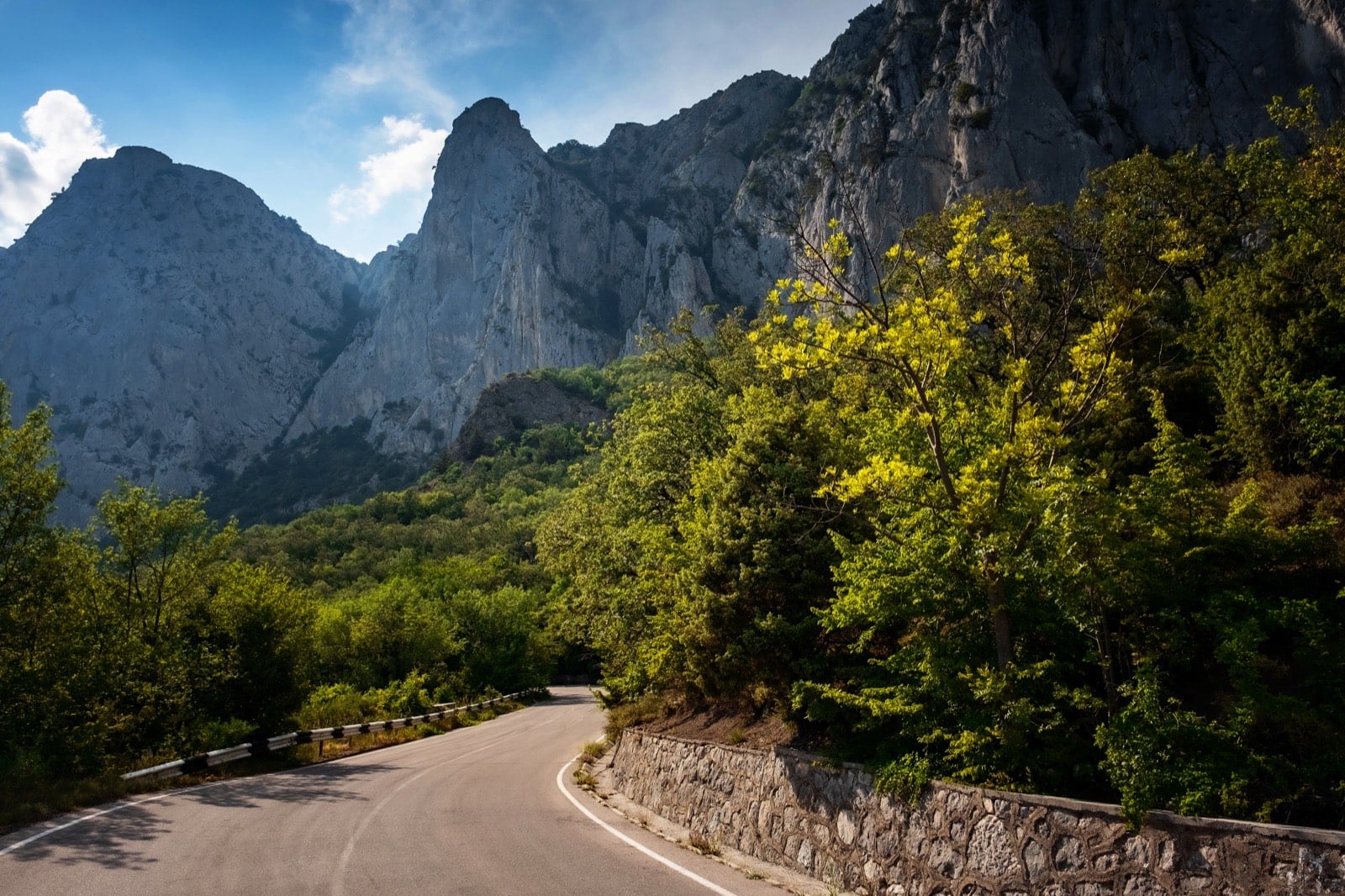
West of Peja/Pec, the Rugova Canyon cuts through dramatic limestone cliffs before opening into the Rugova Valley and the wider Bjeshkët e Nemuna (Accursed Mountains) National Park. This is Kosovo’s premier outdoor playground: hiking to alpine lakes, via ferrata routes, and waterfalls. You can reach the area by taxi from Peja, as public transport to the deeper valley is limited. Hire a local guide for remote routes: the UK government says old landmines remain in parts of the mountainous border region between Kosovo, Albania and Montenegro, so stay on marked trails.
Peja (Pec)
Peja is one of Kosovo’s largest cities and the gateway to the Rugova region. Its old bazaar (çarshia) is one of the most authentic in the Balkans, and the nearby Patriarchate of Peć, a Serbian Orthodox monastery complex, is one of the most significant religious monuments in the region. It is part of the UNESCO World Heritage site “Medieval Monuments in Kosovo”, together with Dečani Monastery, Gračanica Monastery near Pristina and the Church of the Holy Virgin of Ljeviš in Prizren; UNESCO has listed the site as World Heritage in Danger since 2006. Check opening hours and entry requirements before visiting.
Gjakova
Gjakova (Djakovica) has one of Kosovo’s most picturesque old bazaars and an emerging arts and craft scene. The city suffered heavily during the 1998 to 1999 war but has been rebuilt with remarkable community pride. It is a rewarding half-day stop between Prizren and Peja.
Brezovica and the Sharr Mountains
Kosovo’s main ski area, Brezovica, is in the Sharr Mountains in the south of the country, near the border with North Macedonia. It is a winter option rather than part of the Rugova area.
Sample Kosovo Itinerary (5 Days)
Kosovo is small, so five days covers the highlights by bus or rental car. Driving times are short; the longest leg (Pristina to Peja) is under 1.5 hours by bus.
| Day | Base | Plan |
|---|---|---|
| 1 | Pristina | Arrive at PRN or by bus from Tirana. Evening on Mother Teresa Boulevard, NEWBORN monument, National Library. |
| 2 | Pristina | Museums and the old bazaar area; optional half-day trip to Gračanica Monastery, part of the UNESCO site, just outside the city. |
| 3 | Prizren | Bus to Prizren (about 1 hour 45 minutes). Old town, Shadërvan square, Stone Bridge, fortress at sunset. |
| 4 | Peja | Stop in Gjakova’s old bazaar on the way. Evening in Peja’s çarshia. |
| 5 | Peja | Rugova Canyon and valley by taxi or with a guide; Patriarchate of Peć. Return to Pristina, or continue to Montenegro or Albania. |
With more time: add a mountain hiking day in Rugova, Dečani Monastery, or combine Kosovo with Albania: Tirana is about four hours away by bus. See our Tirana guide and best places in Albania.
Budget and Costs
Kosovo is often described by travel writers as one of the cheapest countries that uses the euro. A budget traveler can get by on 30 to 40 euros per day covering accommodation in a hostel dorm (under 10 euros), cheap local meals (3 to 5 euros at a burek shop, 8 to 12 euros at a sit-down restaurant), and bus transport (around 5 euros between Pristina and Prizren). Mid-range travelers spending on a private hotel room and proper restaurant meals should budget 60 to 90 euros per day. Tipping of around 10% is appreciated in restaurants and taxis. These are typical traveler estimates, not official figures; prices are higher in Pristina than in smaller towns.
Safety Overview
The US State Department rates Kosovo at Level 2: Exercise Increased Caution, due to unrest and terrorism, in an advisory dated August 25, 2026. For most tourists visiting Pristina, Prizren, Peja, and the Rugova Valley, Kosovo is straightforward and safe. The North Kosovo area, including North Mitrovica, Leposavic, Zubin Potok, and Zvecan, carries a Level 3 advisory due to ethnic tensions. In September 2026, the UK, Canadian and Australian governments reported large public gatherings in Pristina; avoid demonstrations. Our dedicated guide on whether Kosovo is safe to visit covers this in full detail.
Practical Tips
- Language: Albanian is the dominant language; Serb areas use Serbian. English is widely spoken by younger Kosovars.
- SIM cards: Local SIM cards (IPKO or Vala) are available at the airport and city centers for a few euros with good data plans.
- Power: Kosovo uses the European standard 230V/50Hz with Type C and F sockets.
- Health: The CDC recommends routine vaccines are up to date before travel; no special vaccinations are required for Kosovo.
- Water: The US State Department says tap water in Kosovo is not potable or safe to drink. Use sealed bottled water, which is cheap and sold everywhere.
- ATMs: Widely available in cities. Most mid-range and upscale restaurants in Pristina accept cards; carry cash for smaller towns and markets.
- Emergencies: Dial 112 for police, ambulance or fire.
Best Time to Visit
Late spring (May to June) and early autumn (September to October) offer the best weather: warm, sunny days without the summer crowds or heat. July and August are peak season, when many diaspora families return home and Prizren hosts DokuFest (the 2026 edition ran from August 7 to 15). Winter (December to February) is cold with snow in the mountains, ideal for skiing at Brezovica but less suitable for city sightseeing; the UK and Canadian governments also warn that air pollution in Pristina can be high in winter.
Albanian is the main language across Kosovo. A short list of useful Albanian phrases covers greetings, ordering food and asking directions.
Related: Albanian vs Kosovan; Kosovo national football team.
Frequently Asked Questions
Do US citizens need a visa for Kosovo?
No. US citizens can enter Kosovo without a visa for stays up to 90 days within a 6-month period. You need a passport that is valid for your stay. Kosovo is not part of the Schengen Area, so time spent there does not count against your 90-day Schengen allowance. Check the US State Department page for the latest entry information.
How do I get to Kosovo from the United States?
There are no nonstop flights from the US to Kosovo. Most travelers fly to Prishtina International Airport (PRN) with one connection in a European or Turkish hub. Another option is to fly to Tirana, Albania, and take a direct bus to Pristina (about 4 hours).
How do I get from Tirana to Pristina?
By bus. Gjirafa Travel lists about 25 daily buses between Tirana and Pristina, taking around 4 hours for about 20 euros; in Tirana they use the East Terminal (Terminali Lindor). There are also about 23 daily buses between Pristina and Tirana International Airport.
What currency does Kosovo use?
Kosovo uses the euro (EUR) as its official currency, even though it is not an EU member. This makes it very convenient for European travelers. Kosovo is often described as one of the more affordable euro-using countries, with hostel dorms under 10 euros, local meals for 3 to 5 euros, and bus rides between cities for around 5 euros.
Is Kosovo safe to travel in 2026?
For most tourist areas (Pristina, Prizren, Peja, Rugova Valley), Kosovo is considered safe, and violent crime against visitors is rare. The US State Department issues a Level 2 advisory, citing unrest and terrorism. The North Kosovo area near the Serbia border (North Mitrovica, Leposavic, Zubin Potok, Zvecan) carries a Level 3 advisory due to ethnic tensions. See our full Kosovo safety guide.
How do I get from Pristina to Prizren?
Buses from Pristina’s central bus station to Prizren depart roughly every 20 minutes between about 06:25 and 21:10. The journey takes approximately 1 hour and 45 minutes and costs around 5 euros. You can also take a taxi or rent a car if you want more flexibility, especially if you plan to stop at historic sites along the way.
Can you drink tap water in Kosovo?
The US State Department advises that tap water in Kosovo is not potable or safe to drink, and this applies to Pristina and Prizren as well as rural areas. Drink sealed bottled water.
What language do people speak in Kosovo?
Albanian and Serbian are the two official languages of Kosovo. Albanian is by far the dominant language, spoken by the large majority of the population. In Pristina, Prizren, and other tourist areas, English is widely understood, especially among younger people. You will encounter less English in smaller rural communities and in Serb-majority areas in the north.
Does Kosovo use Schengen visa rules?
No. Kosovo is not part of the Schengen Area. Time spent in Kosovo does not count against the 90-day Schengen limit for non-EU travelers. This makes Kosovo a great option for extending a Balkan trip without burning through Schengen days. For travelers whose nationality normally needs a Kosovo visa, Kosovo’s Ministry of Foreign Affairs allows holders of a valid multiple-entry Schengen visa or Schengen residence permit to visit without a Kosovo visa for up to 15 days.
What is the best base for exploring Kosovo?
Pristina makes the best base for a multi-destination trip given its central location, airport access, and transport connections. However, staying a night or two in Prizren is highly recommended: the city’s atmosphere, especially at dusk when the fortress lights up and the cafes fill, is unlike anywhere else in the Balkans. Peja is the best base for exploring the Rugova Valley and Accursed Mountains.
Can I use my debit or credit card in Kosovo?
Card payments are accepted at most mid-range and upscale restaurants and hotels in Pristina, and increasingly in Prizren. However, smaller towns, markets, and rural areas are still largely cash-based. ATMs are widely available across all major cities; use machines inside banks where you can. It is advisable to carry some cash, particularly if you are heading to mountain areas, smaller villages, or attending market days.
Can I travel from Kosovo to Serbia?
Only if you entered Kosovo from Serbia. The US State Department says Serbia bars US citizens from entering Serbia from Kosovo if they arrived in Kosovo from any other country, including by air into Pristina. Otherwise, travel to Serbia through North Macedonia or Montenegro.
Resources
- US State Department: Kosovo Travel Information and Advisory: Official visa, safety, and entry requirements for American travelers, current advisory level and regional breakdown
- UK FCDO: Kosovo travel advice: Entry rules, driving, taxis and regional risks
- CDC Travelers Health: Kosovo: Recommended vaccines and health precautions
- European Commission: Schengen Area: Schengen rules and what Kosovo’s non-membership means
- Kosovo Ministry of Foreign Affairs: Who needs a Kosovo visa: Visa-exempt categories, including Schengen visa holders
- Koha: Ministry of Internal Affairs guidance for foreigners: Three-day address registration from March 15, 2026
- Civil Aviation Authority of Kosovo: 2025 passenger figures for Prishtina airport: Passenger numbers, top routes and airlines
- Gjirafa Travel: Pristina to Tirana bus timetable: Daily departures, duration and fares
- UNESCO: Medieval Monuments in Kosovo: World Heritage listing
- CIA World Factbook: Kosovo: Area, currency and country facts
- DokuFest Official Site: Kosovo’s premier international documentary film festival in Prizren
- US Embassy in Kosovo: Travel Information: Local emergency contacts and advisories
- Wander-Lush: Pristina City Guide: In-depth sights and experience guide for Pristina
Explore the ALB Connection directory to connect with Albanian-owned travel agencies, guides, restaurants, and accommodation providers across Kosovo. Submit your business to get featured in the community.

Author: Dardanë Halimi
Dardanë Halimi is a writer and communications professional with an M.A. in Writing, Rhetoric, and Technical Communication from James Madison University. Her work focuses on storytelling, digital content, higher education, and strategic communication, with experience writing for academic, nonprofit, and marketing organizations in both the United States and Kosovo.